
TranspoNet a Pneumatic Tube System for Hospitals
When TranspoNet becomes part of your hospital’s infrastructure, its pneumatic tube system safely and quickly transfers medications, blood, lab samples, and documents between departments for traceable and secure deliveries. TranspoNet, our automation solution is not a single product. It’s an integrated tube system that moves materials between the hospital pharmacy, laboratory, and patient wards.




How does a pneumatic tube system work?
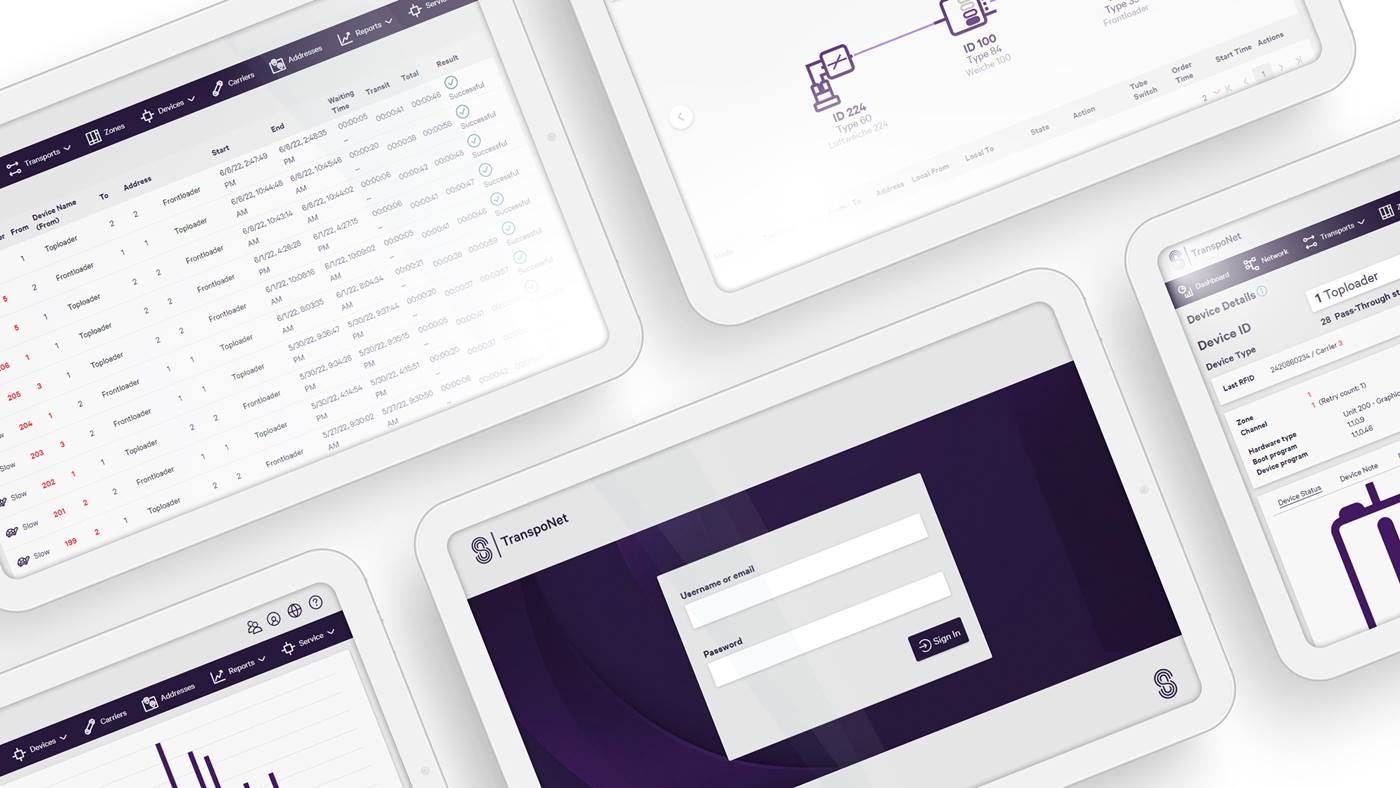
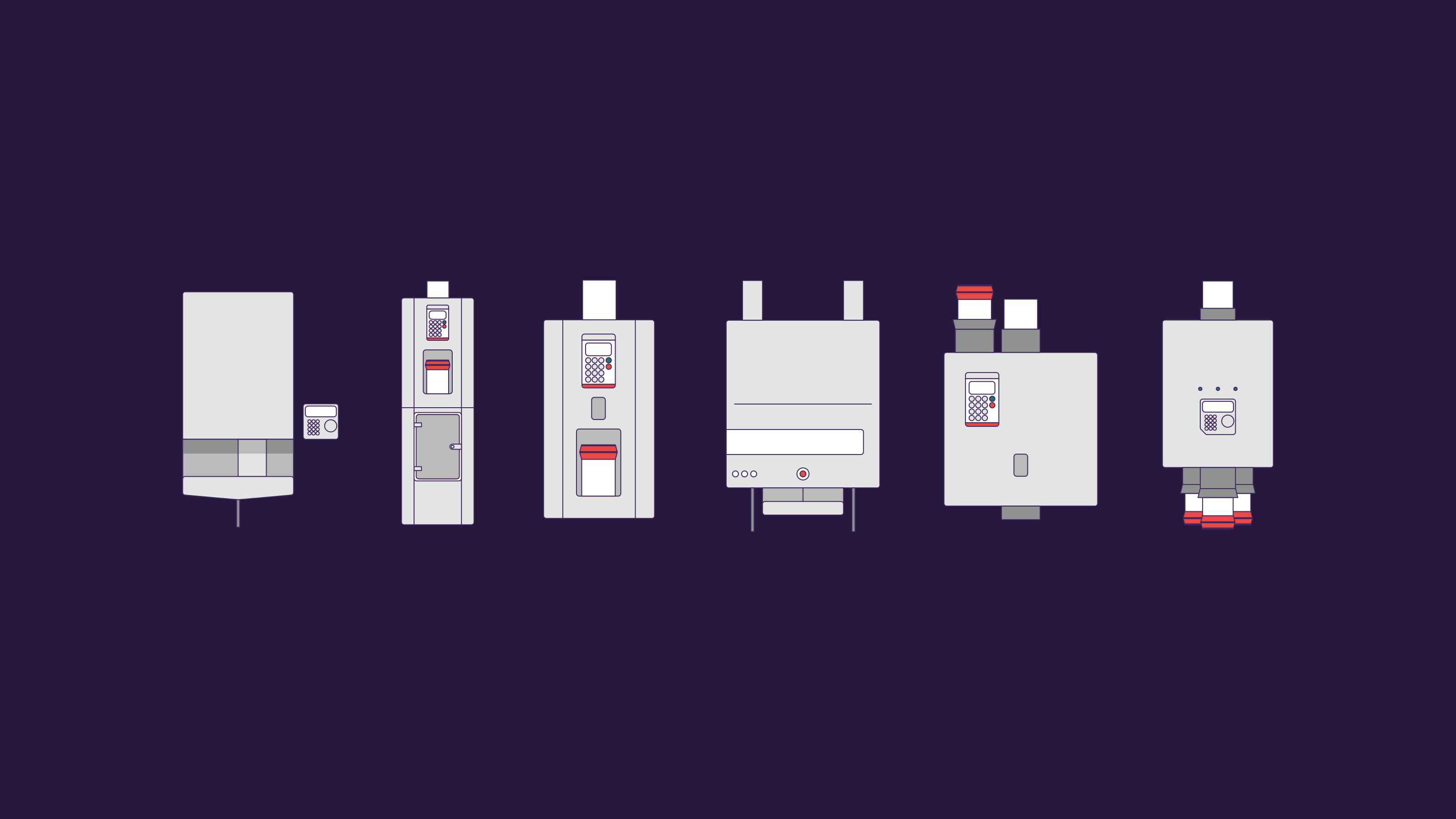
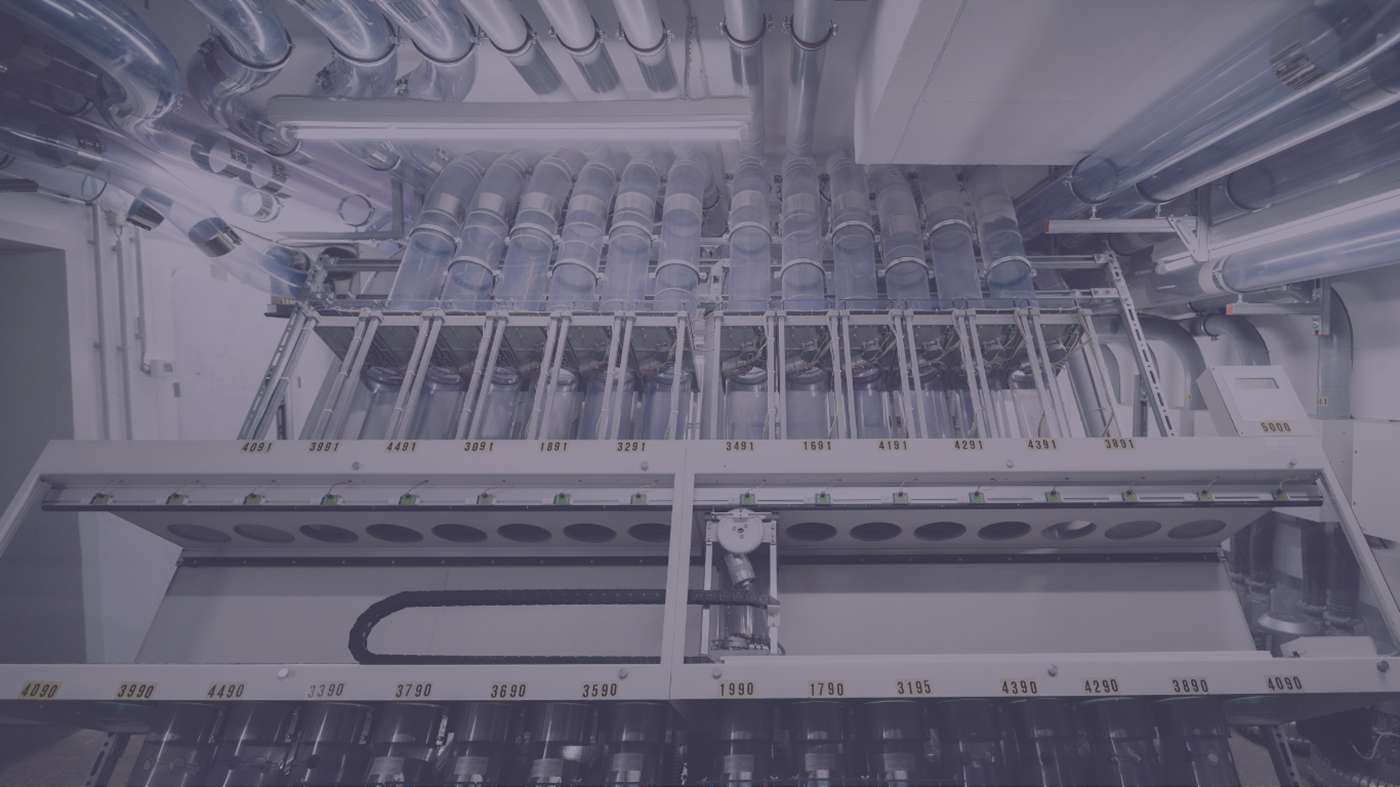
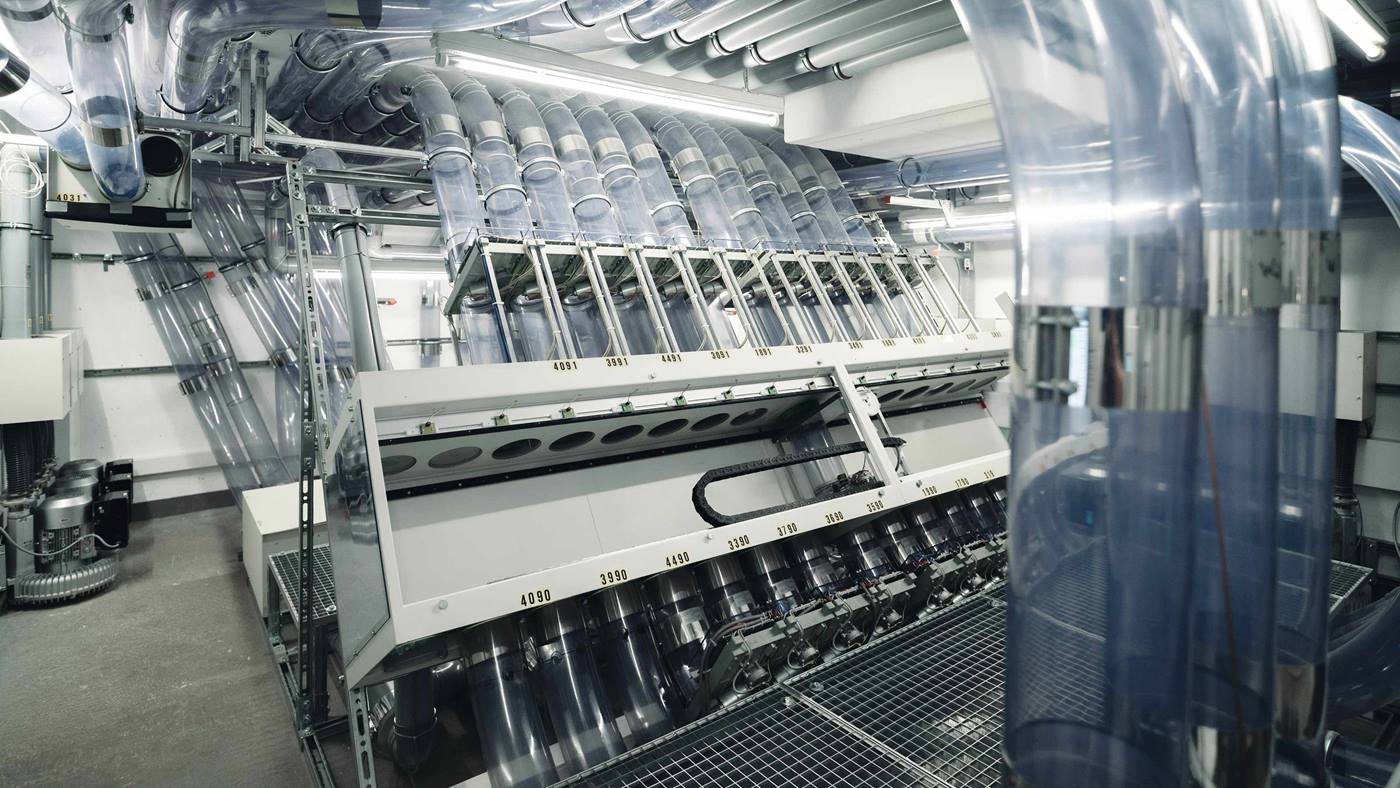
A TranspoNet pneumatic tube system consists of various components. Stations, switches, transfer units, and side channel blowers are combined to create a system that meets the requirements and structure of a particular hospital. The system is controlled with the help of the TranspoNet software. Side channel blowers use ambient air to create a flow that moves the carriers through the system. Suction and pressure air realize the transport direction.
Where can a pneumatic tube system be installed?
A pneumatic tube system can be planned for both new and existing buildings. The pneumatic tube center, where the central junction is located, is usually in basement areas that are easily accessible for maintenance. The tube network typically runs in utility shafts, through walls, floors, and under suspended ceilings of the hospital, connecting individual areas or even multiple buildings.
What does a pneumatic tube system send through the hospital?
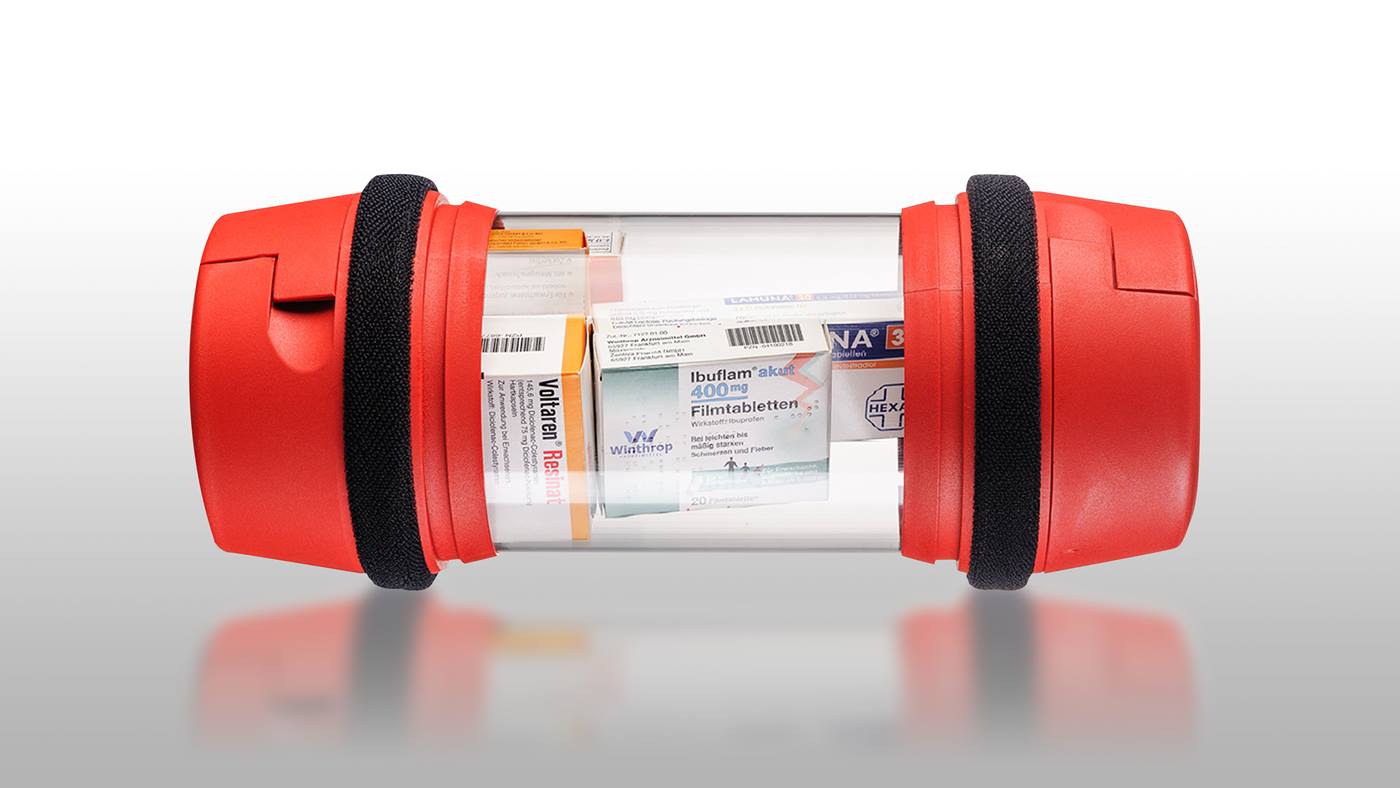
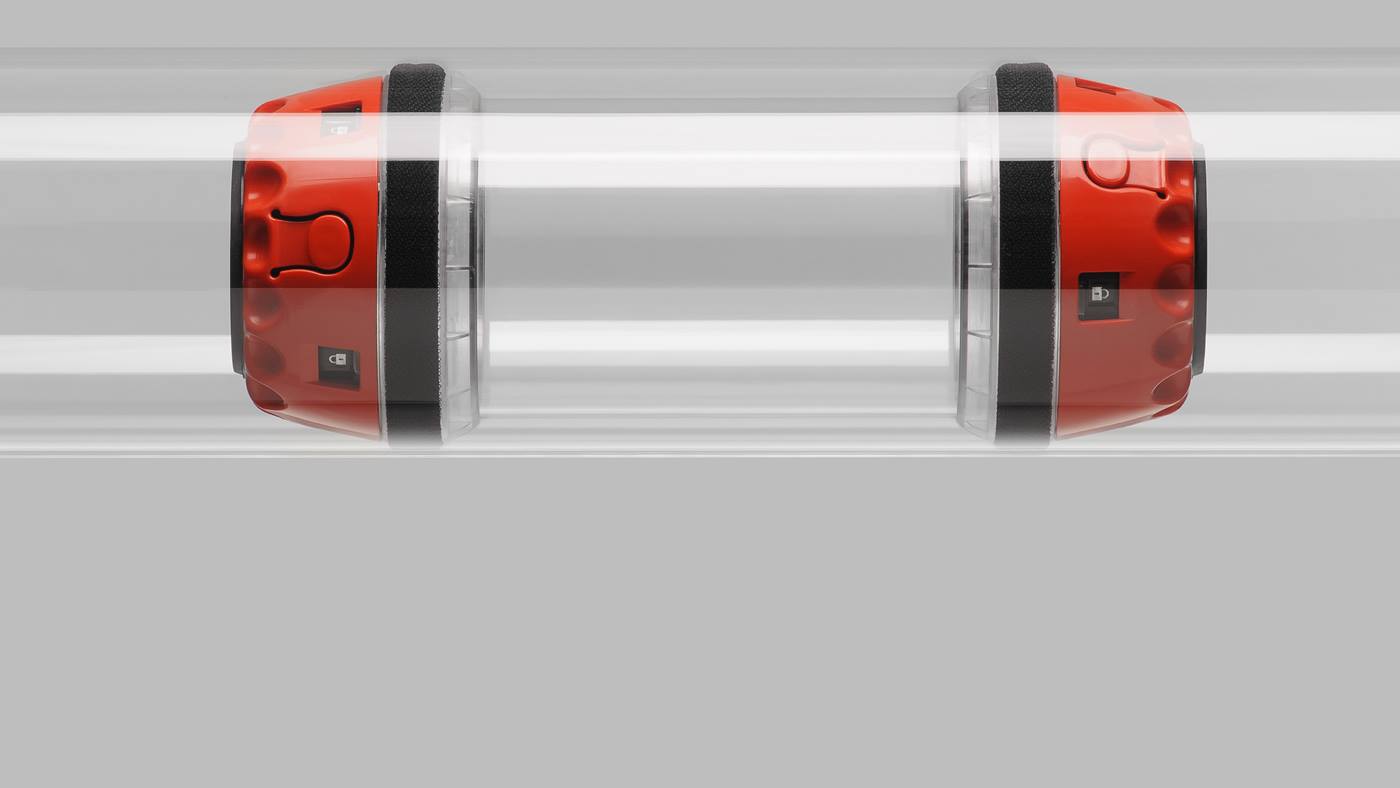
A pneumatic tube system is mainly used to send medications, blood, laboratory samples, documents or supplies. Depending on the system, goods up to 1.5 kg can be sent via each carrier. In certain cases, exceptions can be made.
How does a pneumatic tube system know where to transport goods?
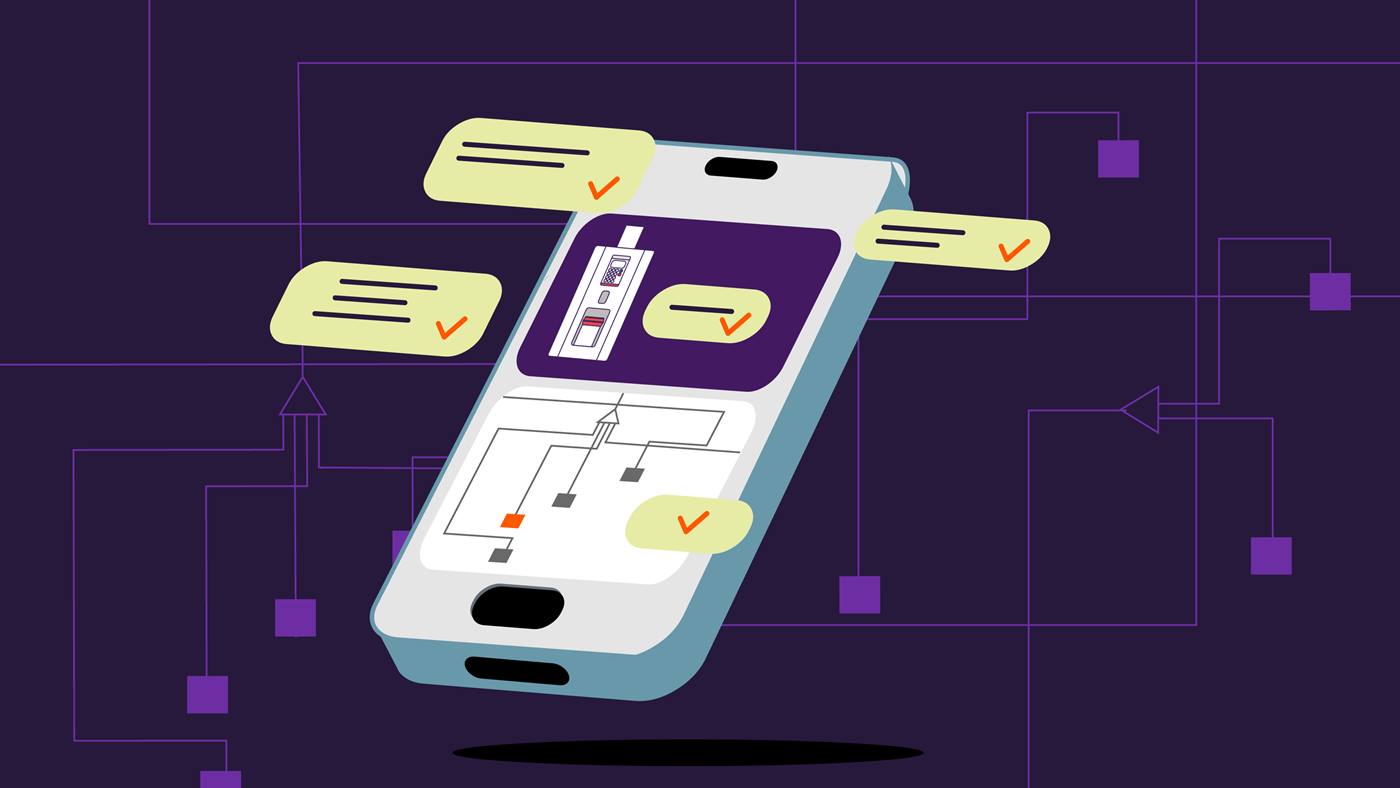
Software controls the transport through the pneumatic tube system. It sends and receives information relevant to the transport. After the caregiver enters the container into the pneumatic tube station and selects a destination, the RFID transponder is automatically scanned and assigned to the destination. The software generates a transport ID and calculates the optimal route to the recipient.