Leesduur: 5 min.
In healthcare, pharmaceuticals, and life sciences, refrigeration is more than a convenience, it’s a critical component of patient safety, regulatory compliance, and operational efficiency. Whether you're outfitting a hospital pharmacy, a research lab, or a vaccine distribution center, selecting the right medical refrigerator or freezer requires careful evaluation of several key factors for decision makers worldwide.
1. Temperature Control: Precision Is Non-Negotiable
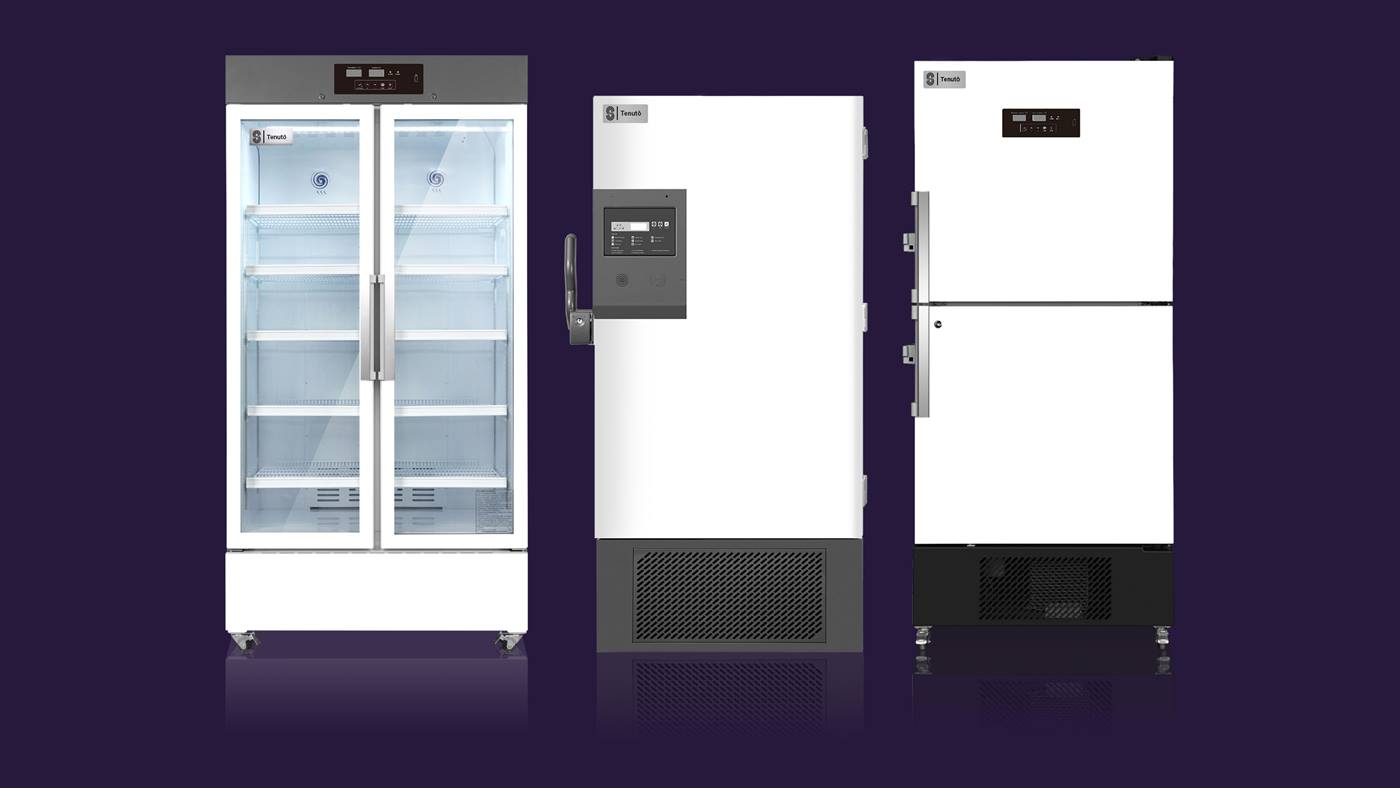
Medical-grade units are engineered to maintain tight temperature ranges, often within ±1°C (±1.8°F), to protect sensitive products like vaccines, insulin, and biologics. Unlike residential units, which can fluctuate significantly, medical refrigerators use microprocessor-based controls and forced-air circulation to ensure uniformity.
CDC Guidelines:
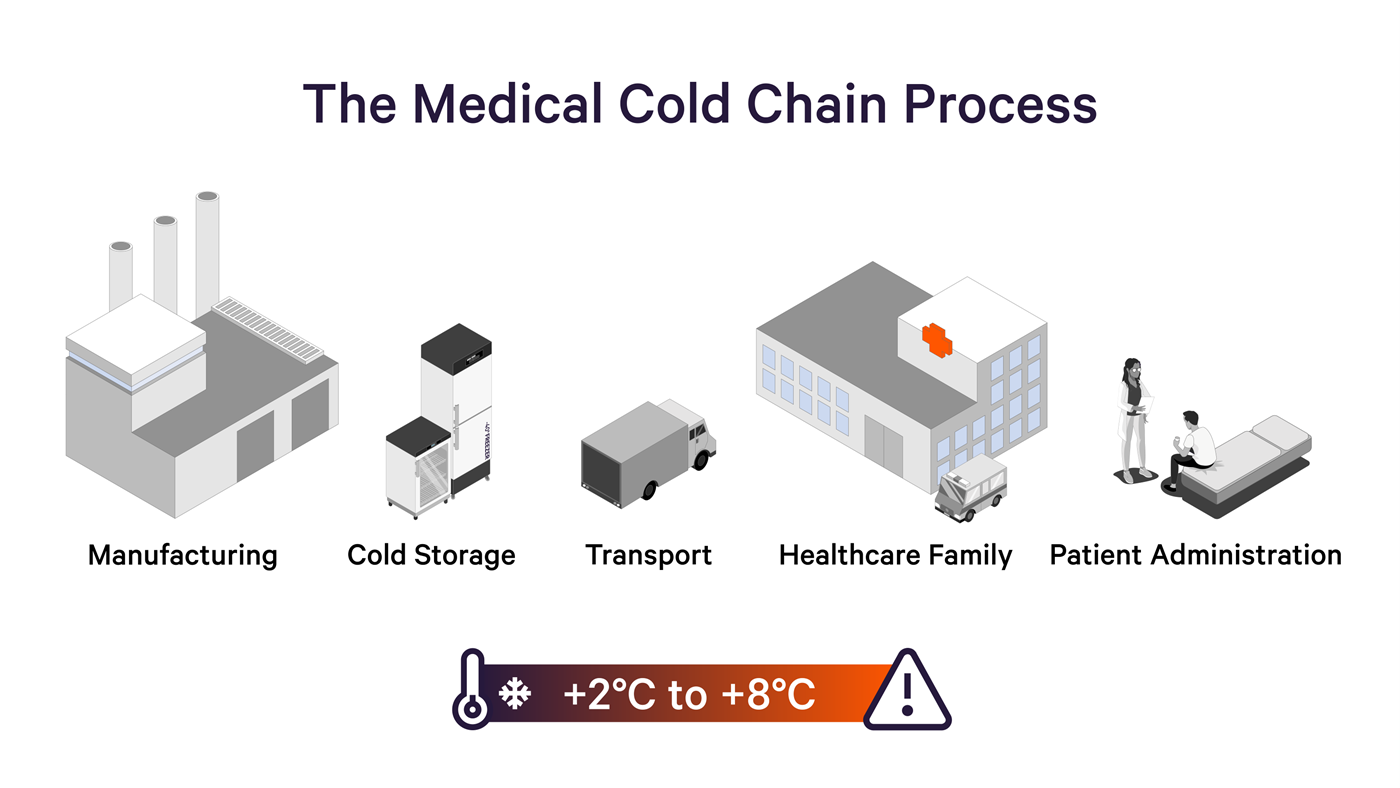
- Refrigerated vaccines: 2°C to 8°C (36°F to 46°F)
- Frozen vaccines: -50°C to -15°C (-58°F to +5°F)
2. Monitoring and Compliance
Modern medical refrigerators often include digital displays, built-in alarms, data logging, and remote monitoring capabilities. These features are essential for compliance with standards like
USP <797>, which outlines environmental monitoring and storage requirements for sterile compounding.
3. Storage Capacity: Right-Sizing Matters
From compact counter-top units to large upright freezers, capacity should align with:
-
Inventory volume
- Product types (e.g., blood, vaccines, reagents)
- Frequency of access
Overloading compromises airflow and temperature stability, while under utilizing space can be inefficient and costly.
4. Noise Levels: A Hidden Operational Factor
In clinical settings like patient care areas or consultation rooms, low-decibel operation is essential. Compressors and fans in medical units are often quieter than commercial-grade alternatives. Always check the manufacturer’s decibel rating if the unit will be placed in noise-sensitive environments.
5. Security and Controlled Access
Medical refrigerators often store controlled drugs, vaccines, and investigation products, requiring secure access. Look for:
- Lockable doors (mechanical or electronic)
- Audit trail capabilities
- Integration with access control systems
The DEA mandates that controlled substances be stored in secure, locked enclosures of substantial construction.
6. Air Circulation: Preventing Hot Spots
Unlike residential units, medical refrigerators use forced-air circulation to maintain consistent temperatures throughout the cabinet. This prevents “hot spots” that can degrade sensitive materials.
7. Regional Considerations: One Size Doesn’t Fit All
North America & Europe
- High regulatory compliance (CDC, USP, EMA)
- Preference for automated monitoring and cloud-based systems
- Emphasis on energy efficiency and sustainability
Asia-Pacific
- Rapid growth in biotech and clinical trials
- Demand for compact, modular units in urban hospitals
- Increasing adoption of IoT-enabled monitoring
Latin America & Africa
- Power stability and ambient temperature are key concerns
- Need for solar-powered or battery-backed units
- Emphasis on cost-effective, durable solutions
8. Compliance and GDP: A Strategic Investment
Good Distribution Practice (GDP) guidelines require pharmaceutical storage areas to maintain labeled temperature conditions and prove it through qualified processes. This includes:
- Temperature mapping
- Continuous monitoring
- Calibration
- Audit-ready documentation
About the author Connie Vigil
Connie Vigil is a Product Manager at Swisslog Healthcare, where I lead the JVM and Cold Chain portfolios, managing Cold Chain solutions globally and JVM initiatives regionally. I'm based in the U.S., bring over a decade of experience as a Certified Pharmacy Technician in both retail and acute care settings, which gives me a deep, firsthand understanding of healthcare operations that informs every product decision I make.
More about Connie Vigil