Reading Time: 5 min.
What Decision-Makers Need to Know : In healthcare, pharmaceuticals, and life sciences, refrigeration is more than a convenience, it’s a critical component of patient safety, regulatory compliance, and operational efficiency. Whether you're outfitting a hospital pharmacy, a research lab, or a vaccine distribution center, selecting the right medical refrigerator or freezer requires careful evaluation of several key factors for decision makers worldwide.
1. Temperature Control: Precision Is Non-Negotiable
Medical-grade units are engineered to maintain tight temperature ranges, often within ±1°C (±1.8°F), to protect sensitive products like vaccines, insulin, and biologics. Unlike residential units, which can fluctuate significantly, medical refrigerators use microprocessor-based controls and forced-air circulation to ensure uniformity.
CDC Guidelines:
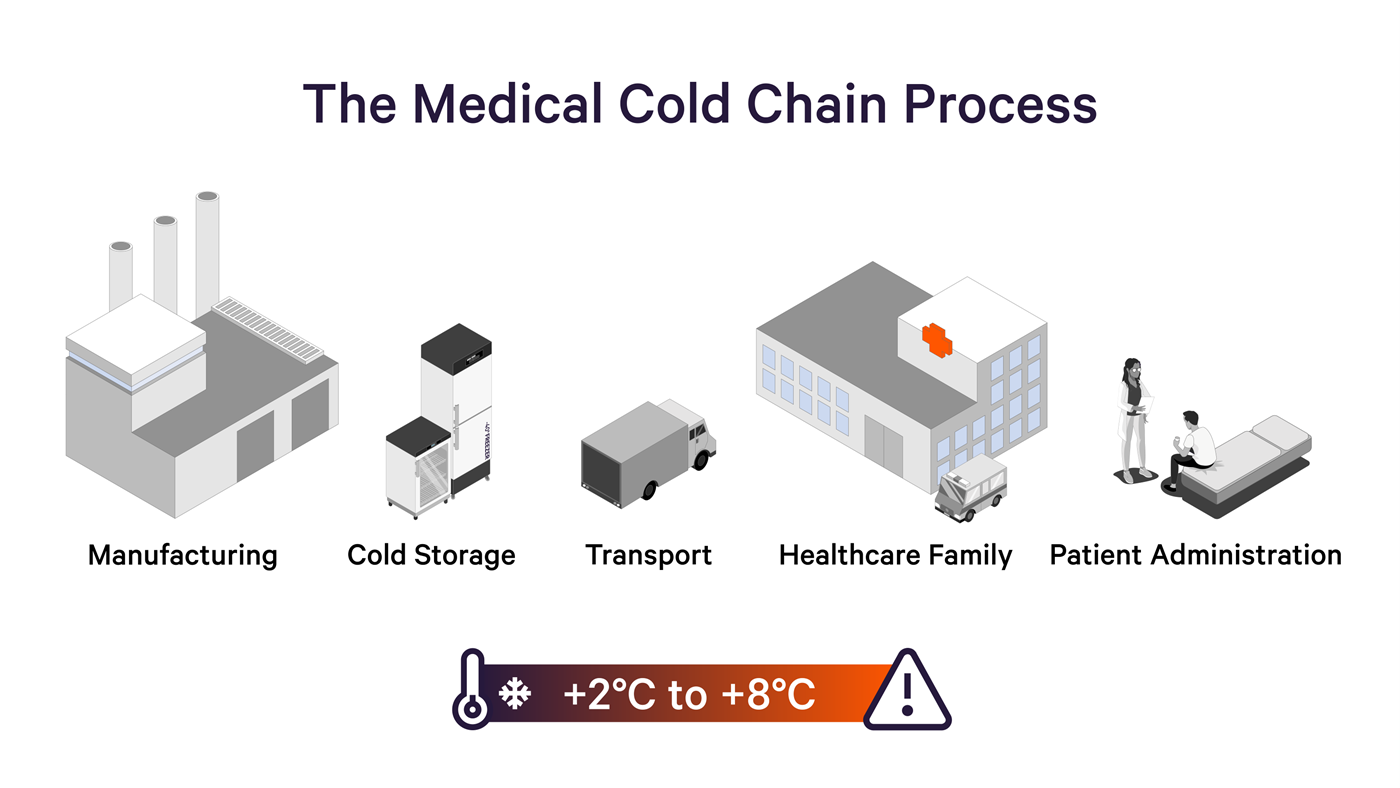
- Refrigerated vaccines: 2°C to 8°C (36°F to 46°F)
- Frozen vaccines: -50°C to -15°C (-58°F to +5°F)
2. Monitoring and Compliance
Modern
medical refrigerators often include digital displays, built-in alarms, data logging, and remote monitoring capabilities. These features are essential for compliance with standards like
USP <797>, which outlines environmental monitoring and storage requirements for sterile compounding.
3. Storage Capacity: Right-Sizing Matters
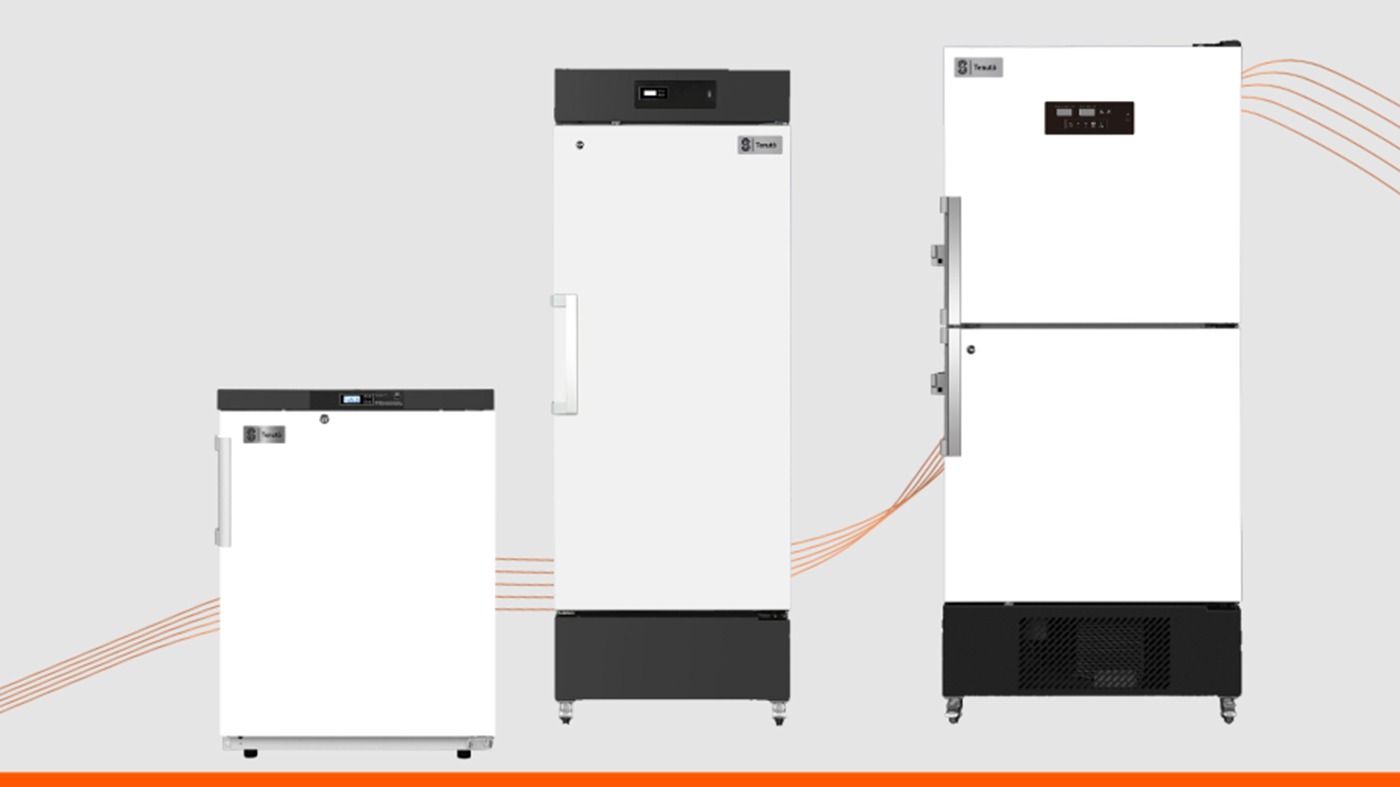
From compact counter-top units to large upright freezers, capacity should align with:
-
Inventory volume
- Product types (e.g., blood, vaccines, reagents)
- Frequency of access
Overloading compromises airflow and temperature stability, while under utilizing space can be inefficient and costly.
4. Noise Levels: A Hidden Operational Factor
In clinical settings like patient care areas or consultation rooms, low-decibel operation is essential. Compressors and fans in medical units are often quieter than commercial-grade alternatives. Always check the manufacturer’s decibel rating if the unit will be placed in noise-sensitive environments.
5. Security and Controlled Access
Medical refrigerators often store controlled drugs, vaccines, and investigation products, requiring secure access. Look for:
- Lockable doors (mechanical or electronic)
- Audit trail capabilities
- Integration with access control systems
The DEA mandates that controlled substances be stored in secure, locked enclosures of substantial construction.
6. Air Circulation: Preventing Hot Spots
Unlike residential units, medical refrigerators use forced-air circulation to maintain consistent temperatures throughout the cabinet. This prevents “hot spots” that can degrade sensitive materials.
7. Regional Considerations: One Size Doesn’t Fit All
North America & Europe
- High regulatory compliance (CDC, USP, EMA)
- Preference for automated monitoring and cloud-based systems
- Emphasis on energy efficiency and sustainability
Asia-Pacific
- Rapid growth in biotech and clinical trials
- Demand for compact, modular units in urban hospitals
- Increasing adoption of IoT-enabled monitoring
Latin America & Africa
- Power stability and ambient temperature are key concerns
- Need for solar-powered or battery-backed units
- Emphasis on cost-effective, durable solutions
8. Compliance and GDP: A Strategic Investment
Good Distribution Practice (GDP) guidelines require pharmaceutical storage areas to maintain labeled temperature conditions and prove it through qualified processes. These requirements form the foundation of effective cold chain management in hospitals and healthcare facilities:
- Temperature mapping
- Continuous monitoring
- Calibration
- Audit-ready documentation
About the author Connie Vigil
Connie Vigil is a Product Manager at Swisslog Healthcare, where I lead the JVM and Cold Chain portfolios, managing Cold Chain solutions globally and JVM initiatives regionally. I'm based in the U.S., bring over a decade of experience as a Certified Pharmacy Technician in both retail and acute care settings, which gives me a deep, firsthand understanding of healthcare operations that informs every product decision I make.
More about Connie Vigil