

Here are Five Key Areas Where Hospital Pharmacists are Playing a Greater Roll:
Interdisciplinary Collaboration
Healthcare organizations have increasingly recognized the value of adding their highly skilled pharmacists to their multidisciplinary teams. The American Society of Health-System Pharmacists (ASHP) has found that more than 75% of U.S. hospitals now assign pharmacists to provide direct care to most inpatients, including high-intensity units such as critical care, oncology, cardiology, infectious disease/antimicrobial stewardship, and emergency departments.
Pharmacists are also actively participating in collaborative practice agreements with physicians, and ASHP reports that almost 72% of hospitals with outpatient clinics have pharmacists working in their clinics where they are actively involved in the management of chronic conditions such as diabetes and hypertension.
With authority to monitor labs, adjust medications, and authorize refills, ambulatory pharmacists are improving access to care and helping offset physician shortages.
Quality Control
Ensuring safety in a healthcare environment is a team effort. Pharmacists are critical to that effort. As experts in medication management and delivery, pharmacists play an integral role in preventing and managing medication errors. Pharmacists are continuing to broaden their responsibilities in quality and performance improvement projects. Even while pharmacists' clinical practices are evolving, their role in managing through persistent drug shortages is critical. Their leadership in identifying alternative medication options and managing inventory is essential to patient care.
Patient Consultation and Education
Pharmacists provide valuable consultations on the use and management of patients’ medications. With the engagement of pharmacists in the care teams and in office practices, pharmacists are even closer to the patients and other providers. This collaboration provides more opportunities for both patient education and provider education.
Pharmacists are often supporting patients and providers on complicated insurance and financial processes for increasingly expensive but important therapies. This places pharmacists in a unique position to significantly reduce financial barriers to care, ensuring better access to essential treatments. Studies consistently show that pharmacists' engagement reduces costs and improves outcomes.
Cost Control
Pharmacists are well-positioned to significantly influence healthcare decision-makers by guiding more effective resource allocation and spending, ultimately helping to optimize patient health through the responsible and strategic use of medications.
Their specialized knowledge of medications enables pharmacists to play a significant role in reducing healthcare costs through direct savings and controlling future expenses. Along with management of the drug shortages, new therapies are increasingly expensive, and pharmacists’ direct involvement in therapy decisions is essential to cost management. In 2025, overall pharmaceutical expenditures in the US grew 12.7% compared to 2024, for a total of $915.2 billion, according to an annual report recently published by ASHP. This was driven primarily by increased utilization and price increases.
Long-established programs such as intravenous-to-oral therapy conversion are important, though pharmacists’ experience and insights are also becoming more valuable in preventing future overspending by optimizing treatment strategies and minimizing complications.
Technology
Pharmacists’ role in the selection and management of technology choices is essential to how hospitals use technology to deliver care more effectively and expeditiously. They are using that influence to foster innovation and acquire updated systems that use the latest technology. Pharmacists have also become advocates in using telehealth to assist physicians and nurses in advising patients.
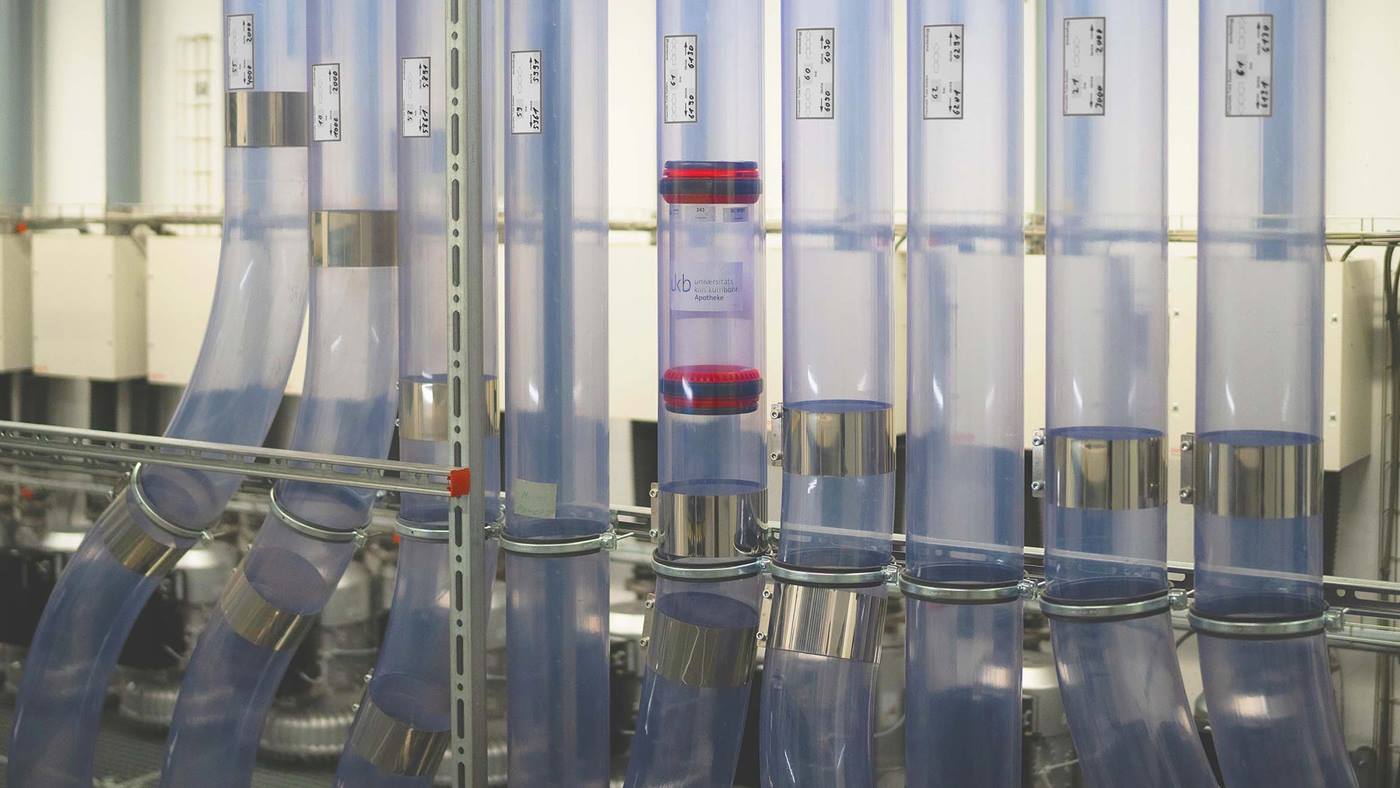
Technologies such as pharmacy automation platforms and pneumatic tube systems improve accuracy and remove the burden of repetitive and error-prone tasks from pharmacists. This allows pharmacy and other clinical staff to handle more high-value activities.
AI will increasingly be used by pharmacists in areas that include EHR systems, clinical decision support tools, and patient-facing applications, such as chatbots, that assist with medication adherence and provide real-time support. Their skills and expertise in technology and evidence-based solutions will help advance the adoption of these new tools. AI will bring changes to drug research and related sciences as well. Recently, The Ohio State University College of Pharmacy announced they have introduced course modules that incorporate generative AI into pharmacology instruction.
Hospital Pharmacists are Playing a Vital Role in a New Era of Patient Care
ASHP’s Practice Advancement Initiative (PAI) 2030 was introduced in 2019 to outline a 10-year roadmap for elevating the role of pharmacists in patient care. The recommendations offered specific actions and goals for practice activities, organizations, and the profession itself. Great gains have been made in professional practice in a great many areas, and ASHP announced plans to update and revamp these goals and objectives. The Covid pandemic underscored the important role pharmacists play in access to high-quality care and services. Many states have recognized this important role for pharmacists and made permanent Covid-specific practice rules and have even expanded the role of pharmacists further.