You are using Internet Explorer and will not be able to use our website properly. Please change to an up-to-date browser for ideal presentation of the website.
What Is Cold Chain? A Complete Guide for Healthcare and Medical Storage.
Connie Vigil
27 March 2026
Hospital
Reading Time: 6 min.
Cold chain is the temperature‑controlled storage and transport of temperature‑sensitive medical and pharmaceutical products, ensuring their safety, quality, and effectiveness from manufacturing through to patient use.
What Is Cold Chain in Healthcare?
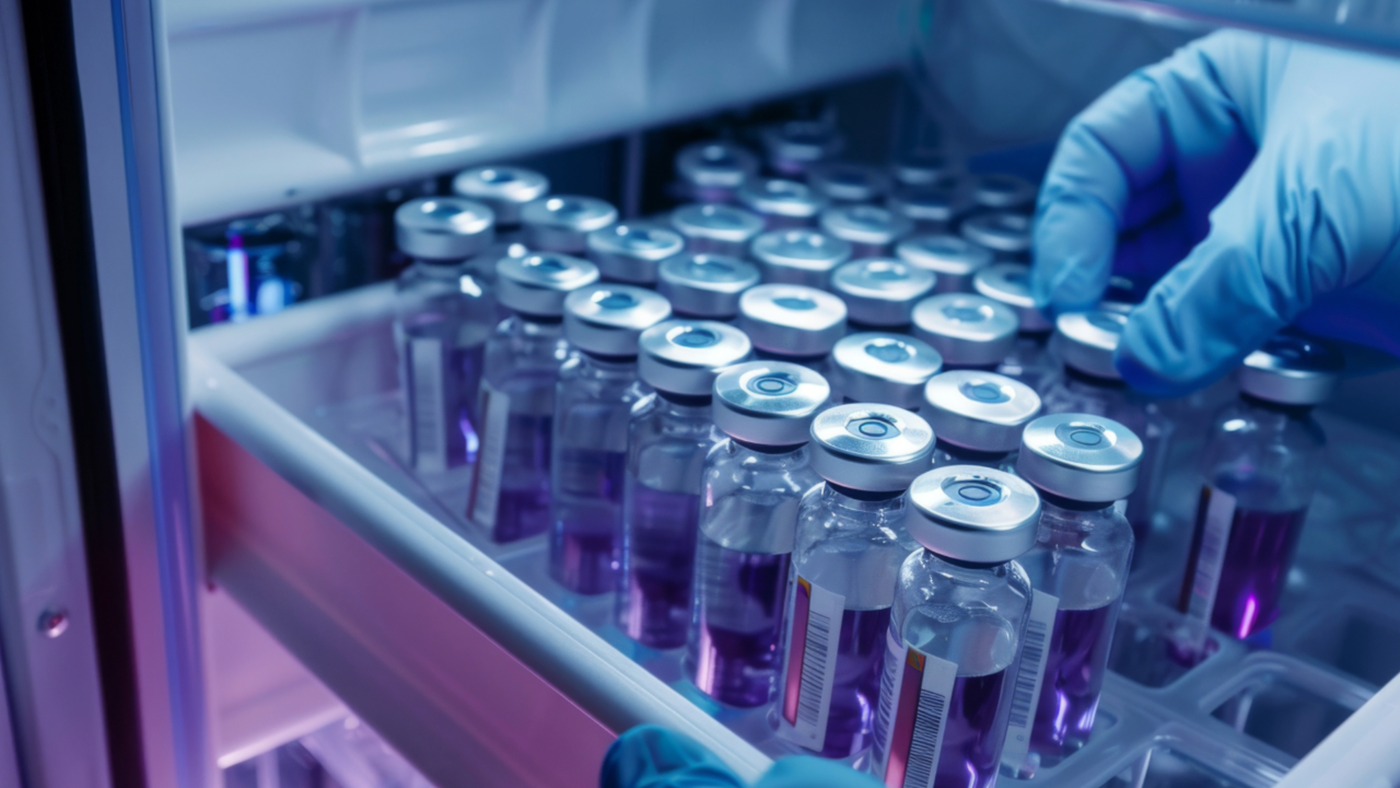
Cold chain is a temperature‑controlled system used to store, transport, and distribute medical and pharmaceutical products that must remain within strict temperature ranges. It ensures the safety, quality, and effectiveness of sensitive items such as vaccines, biologics, insulin, blood products, diagnostic samples, and specialty medications.
A reliable cold chain protects patients, maintains regulatory compliance, and prevents costly medication waste, making it one of the most essential components of modern healthcare.
Why Cold Chain Management Matters
Healthcare organisations depend on accurate temperature control from the moment a product is manufactured until it reaches the patient. Even brief temperature deviations can compromise potency, trigger product recalls, or result in complete stock loss.
Patient safety through guaranteed product integrity
Regulatory compliance with WHO, FDA, EMA, and national standards
Reduced financial loss by preventing spoilage and emergency replacements
Operational efficiency in pharmacies, hospitals, and laboratories
With increasing growth in temperature‑sensitive therapies, healthcare providers require robust, validated cold storage solutions more than ever before.
How the Medical Cold Chain Works
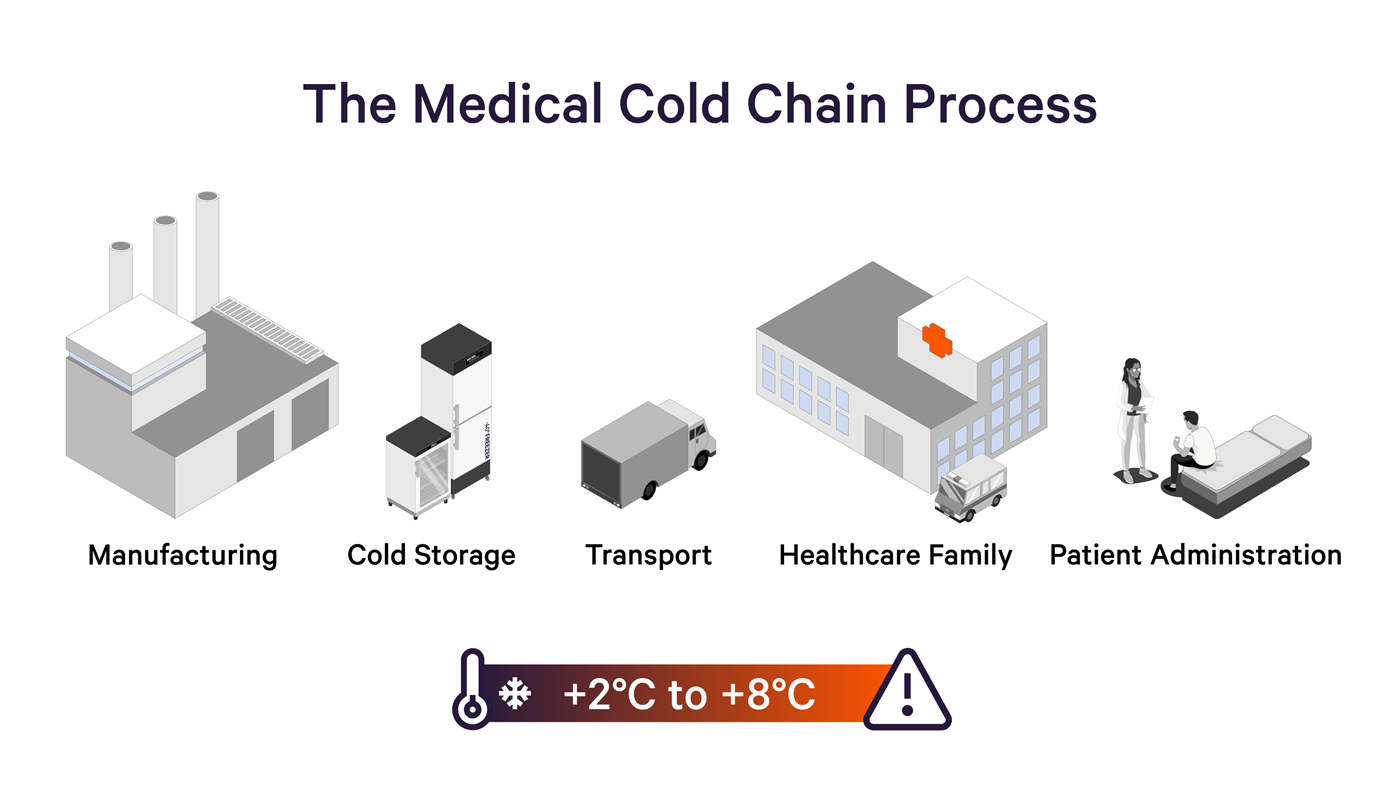
A healthcare cold chain typically includes four stages:
Manufacturing and packaging under controlled environmental conditions
Cold storage using purpose‑built medical refrigerators and freezers
Temperature‑controlled transportation and distribution
On‑site storage at hospitals, clinics, pharmacies, and laboratories
Each step must work seamlessly to prevent temperature excursions. Even a minor variation can make a medication unusable.
Cold Chain Requirements in Healthcare Settings
Hospitals, pharmacies, and research facilities rely on precise temperature control for:
Vaccines and immunization programmes
Blood and plasma storage
Chemotherapy and other oncology drugs
Biological samples and reagents
High‑value specialty pharmaceuticals
To maintain compliance, facilities must ensure:
Continuous temperature monitoring
Immediate alerts for deviations
Accurate data logging for audit trails
Secure, restricted access for controlled substances
These safeguards ensure safe storage and uninterrupted care.
Why Purpose-Built Medical Refrigerators and Freezers Are Essential
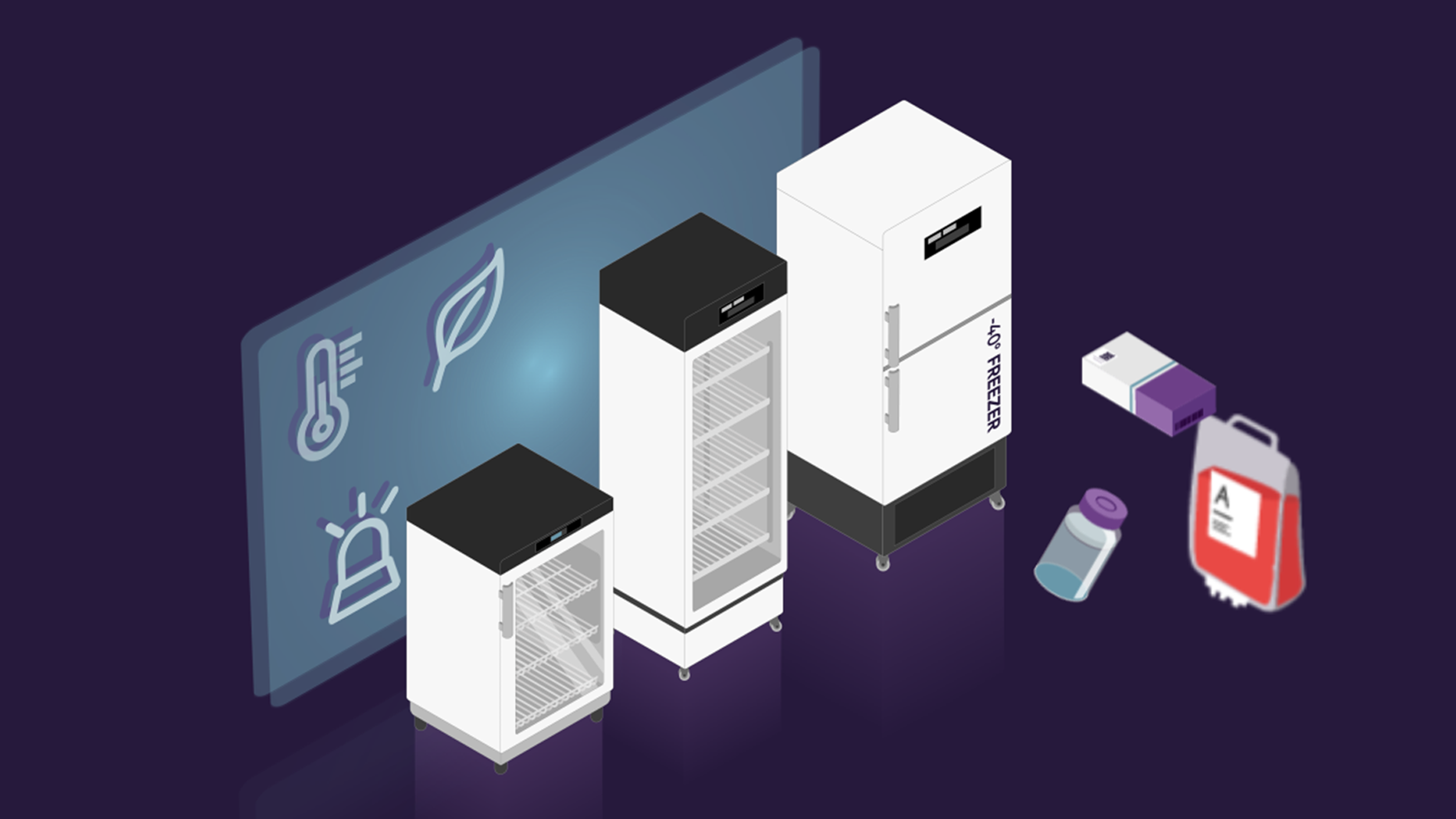
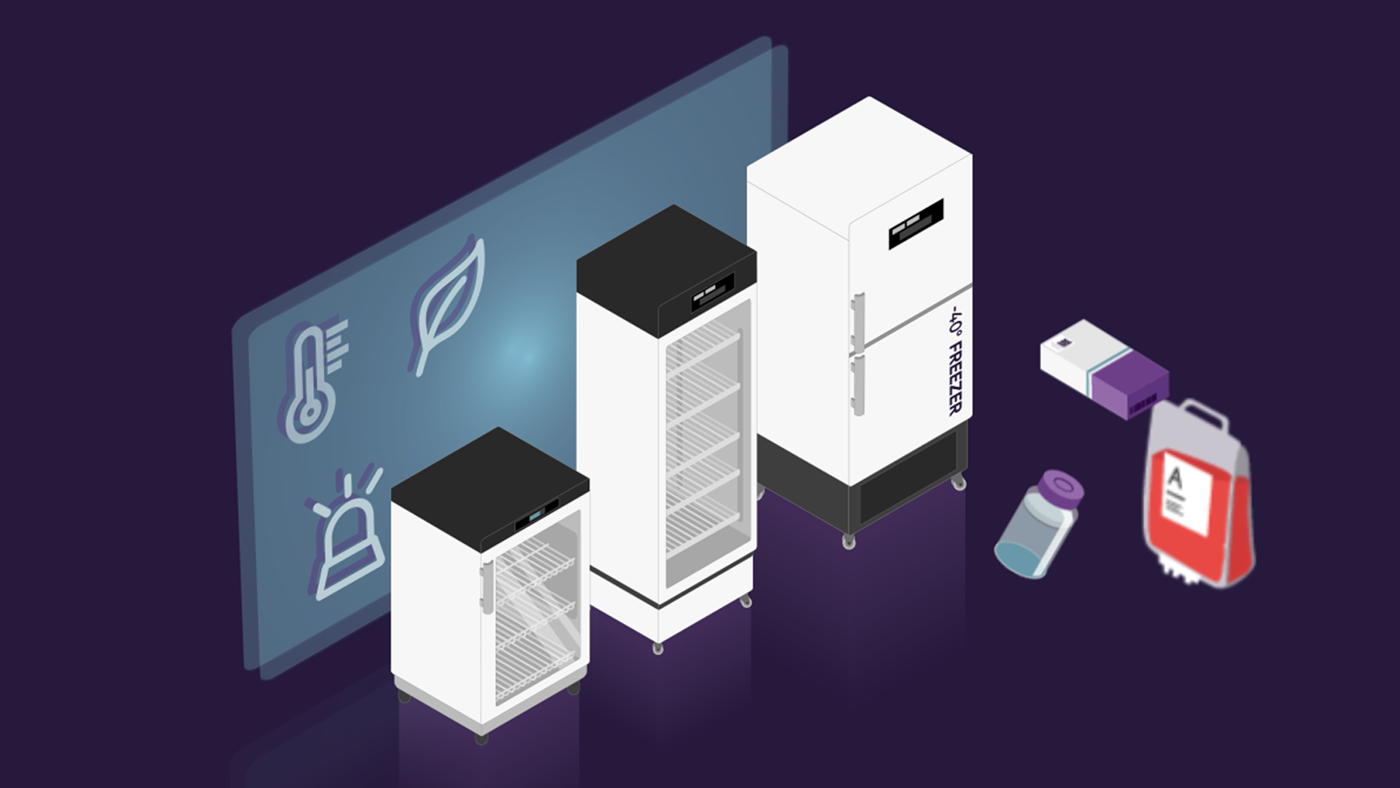
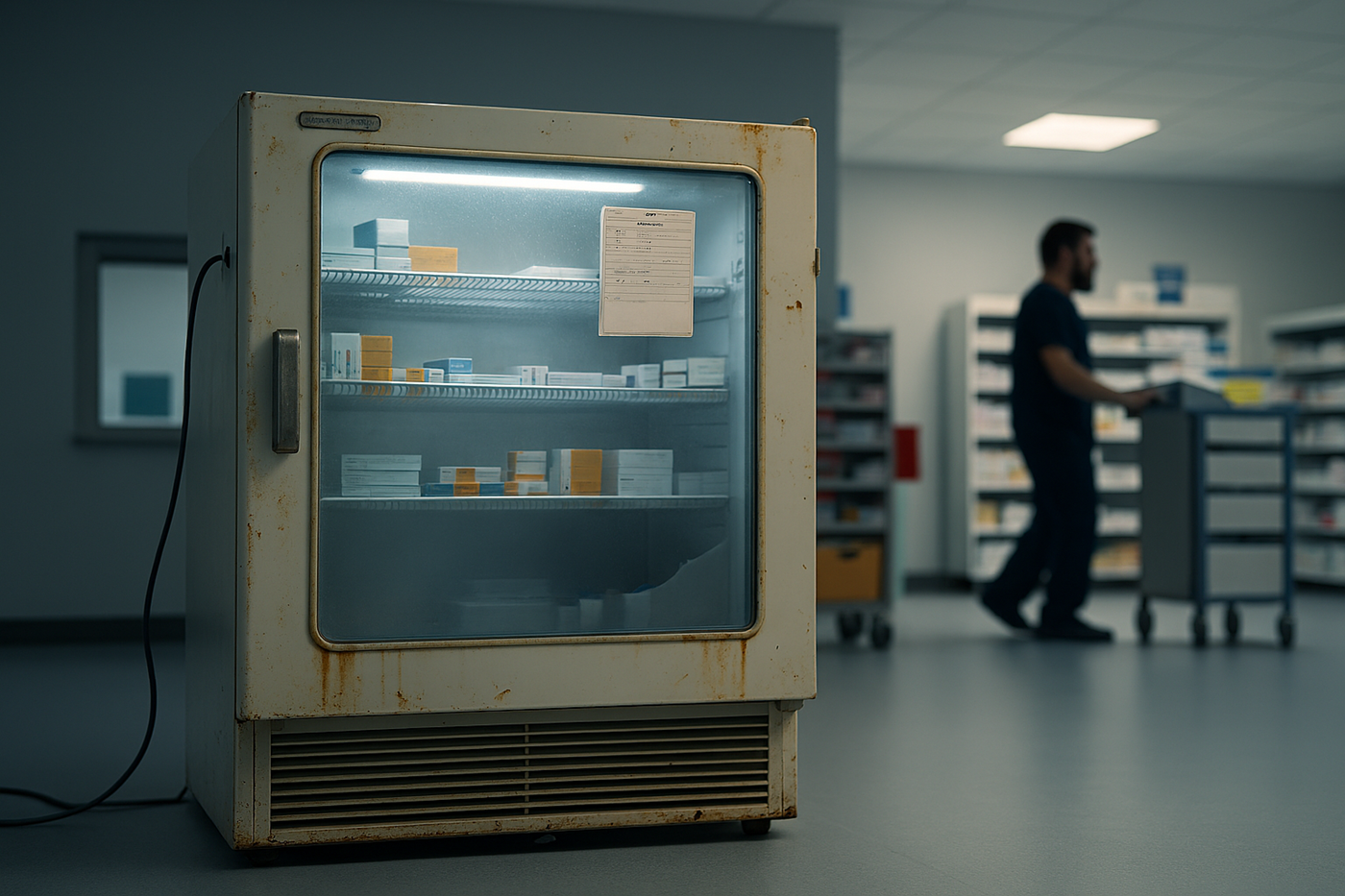
Medical fridges are a foundational element of an effective cold chain. Unlike household fridges, medical refrigerators and freezers are engineered specifically for healthcare environments and regulatory expectations.
Key features include:
High temperature stability and accuracy
Uniform cooling performance across all shelves
Built-in alarms for excursions, power failures, or open doors
Integrated data logging and traceability
Validated, tested performance for medical use
Enhanced security and optional access control
These features help healthcare organisations maintain strict temperature requirements and protect valuable inventory.
How to Strengthen Cold Chain Reliability
Healthcare facilities can reduce risks by implementing:
Regular equipment maintenance and calibration
Automated temperature monitoring systems
Redundant power protection
Purpose-built, validated cold storage units
Staff training on handling and documentation
These best practices improve reliability, reduce waste, and support safe clinical care.
Choosing the Right Medical Refrigerator or Freezer
When selecting cold chain storage equipment, healthcare facilities should evaluate:
Temperature range requirements
Regulatory compliance (WHO, EMA, FDA, GDP/GLP)
Data logging functionality
Space and capacity needs
Cooling technology and recovery times
Alarm systems and connectivity
Reliability and service support
Purpose-built equipment ensures consistent performance and peace of mind during audits.
Explore Tenutō Medical Refrigerators and Freezers
Maintaining a reliable cold chain starts with the right cold storage equipment.
Tenutō medical refrigerators and freezers are engineered for healthcare environments, offering:
Precise temperature control
Validated performance
Continuous monitoring and alarms
High energy efficiency
Secure, compliant storage for vaccines, medications, and samples
Discover the full range of Tenutō medical fridges designed to support safe, reliable medical operations.
About the author Connie Vigil
Connie Vigil is a Product Manager at Swisslog Healthcare, where I lead the JVM and Cold Chain portfolios, managing Cold Chain solutions globally and JVM initiatives regionally. I'm based in the U.S., bring over a decade of experience as a Certified Pharmacy Technician in both retail and acute care settings, which gives me a deep, firsthand understanding of healthcare operations that informs every product decision I make.