Keeping Your Hardware Updated
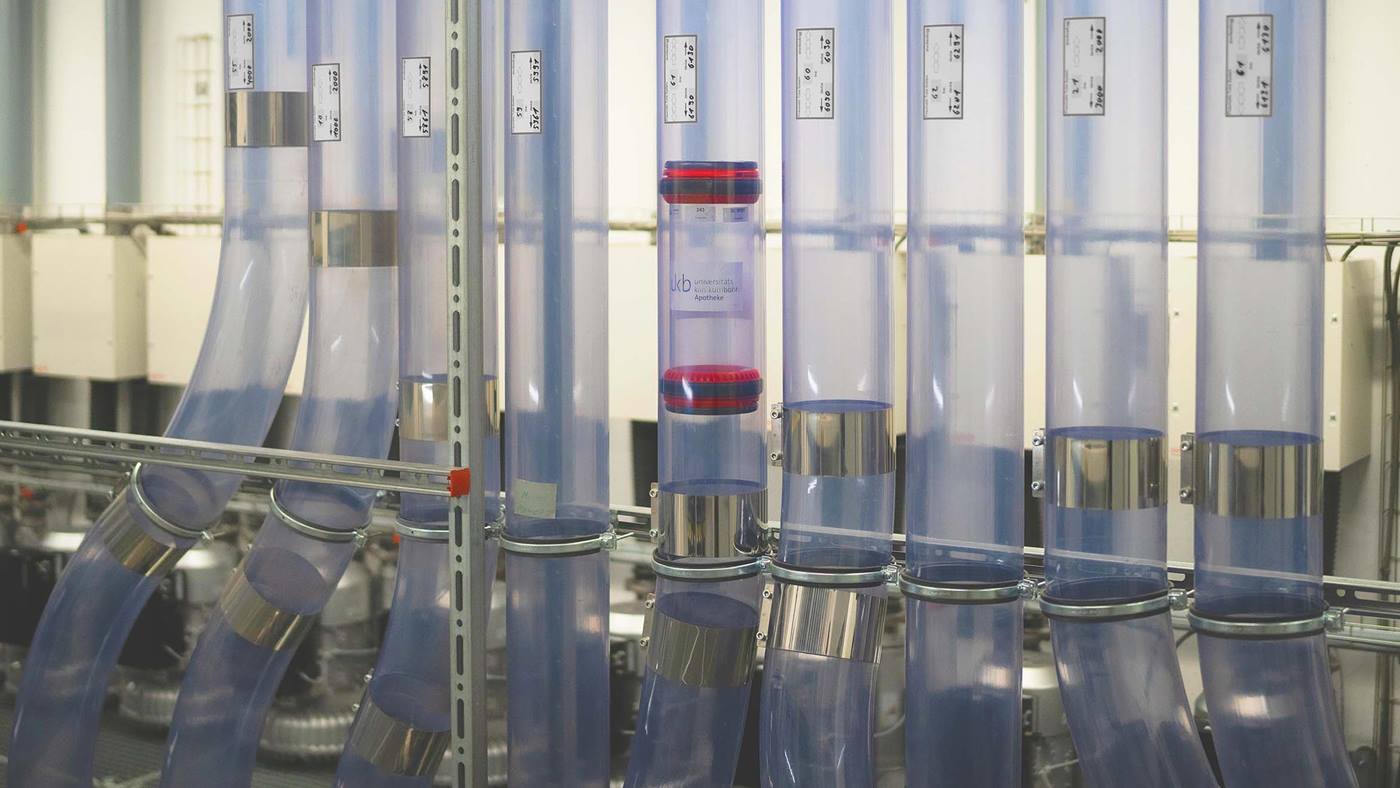
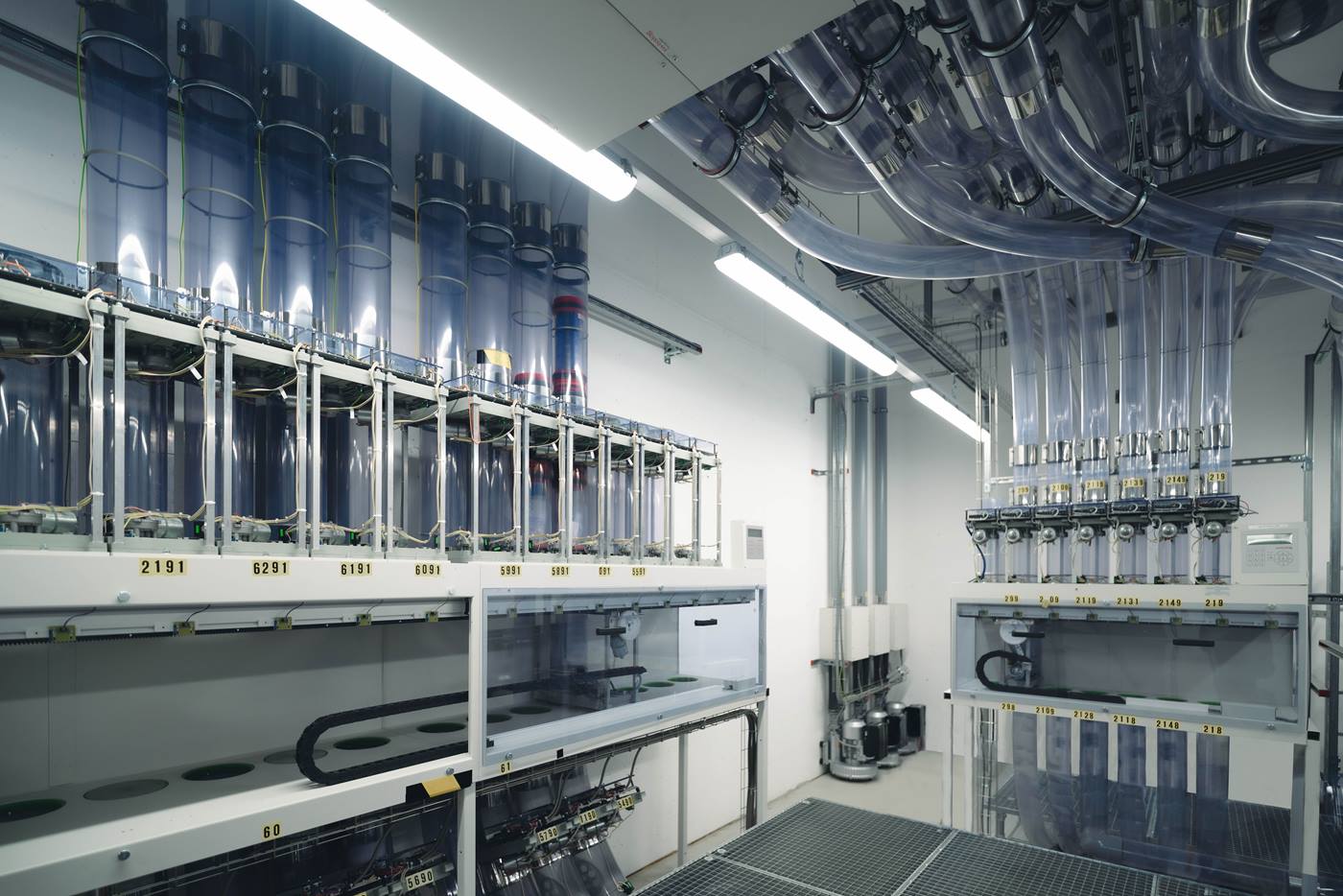
Software keeps your pneumatic tube system smart and hardware keeps it moving. Just like any mechanical infrastructure in a hospital, physical components age, wear down, and eventually compromise performance.
Taking care of your hardware means more than fixing what breaks. It means planning ahead to service, replace, and upgrade components before they disrupt operations. his is part of modernization.
Mechanical wear happens gradually, but its impact is unmistakable. Slower transport, more jams, inconsistent delivery times, and increased risk to the safe movement of blood, lab samples, medication, and documents is what happens when hardware is not maintained. Upgrading hardware not only restores performance; it delivers immediate improvements and prevents costly emergency repairs.
Plan your hardware updates with these essential steps
A strategic approach ensures upgrades are smooth, predictable, and budget friendly.
- Create a structured plan for rolling out hardware and firmware updates
- Prioritize replacing discontinued or end-of-life components
- Use a phased-in approach to modernize stations, carriers, and accessories
This approach minimizes downtime and spreads costs over time while steadily improving system reliability.
Modern hardware improves workflow and staff efficiency
Smarter stations for streamlined material movement
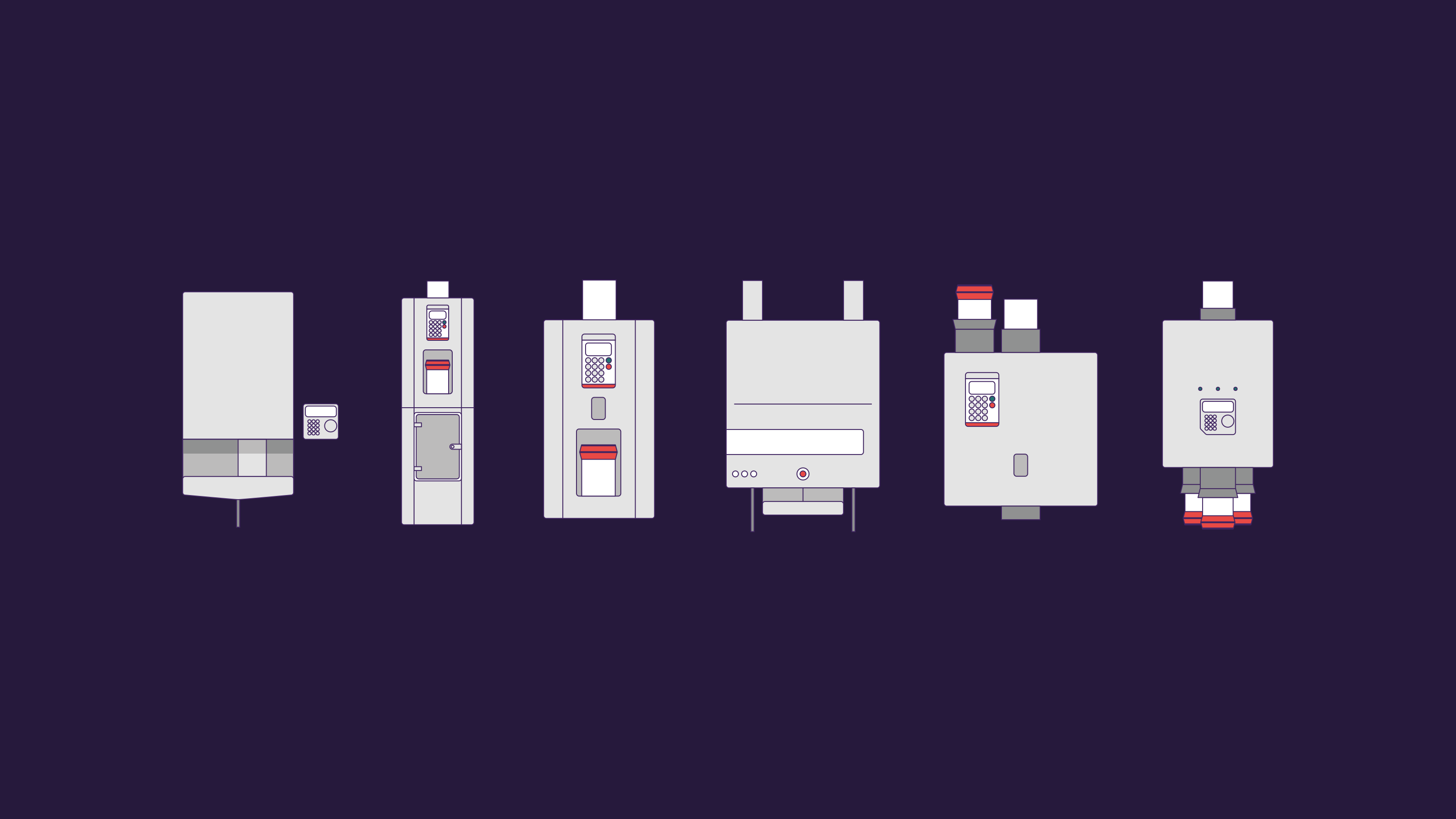
Upgraded stations streamline how materials move between departments, reducing manual handling and freeing staff for higher‑value tasks.
Up to 50% efficiency gained in the lab
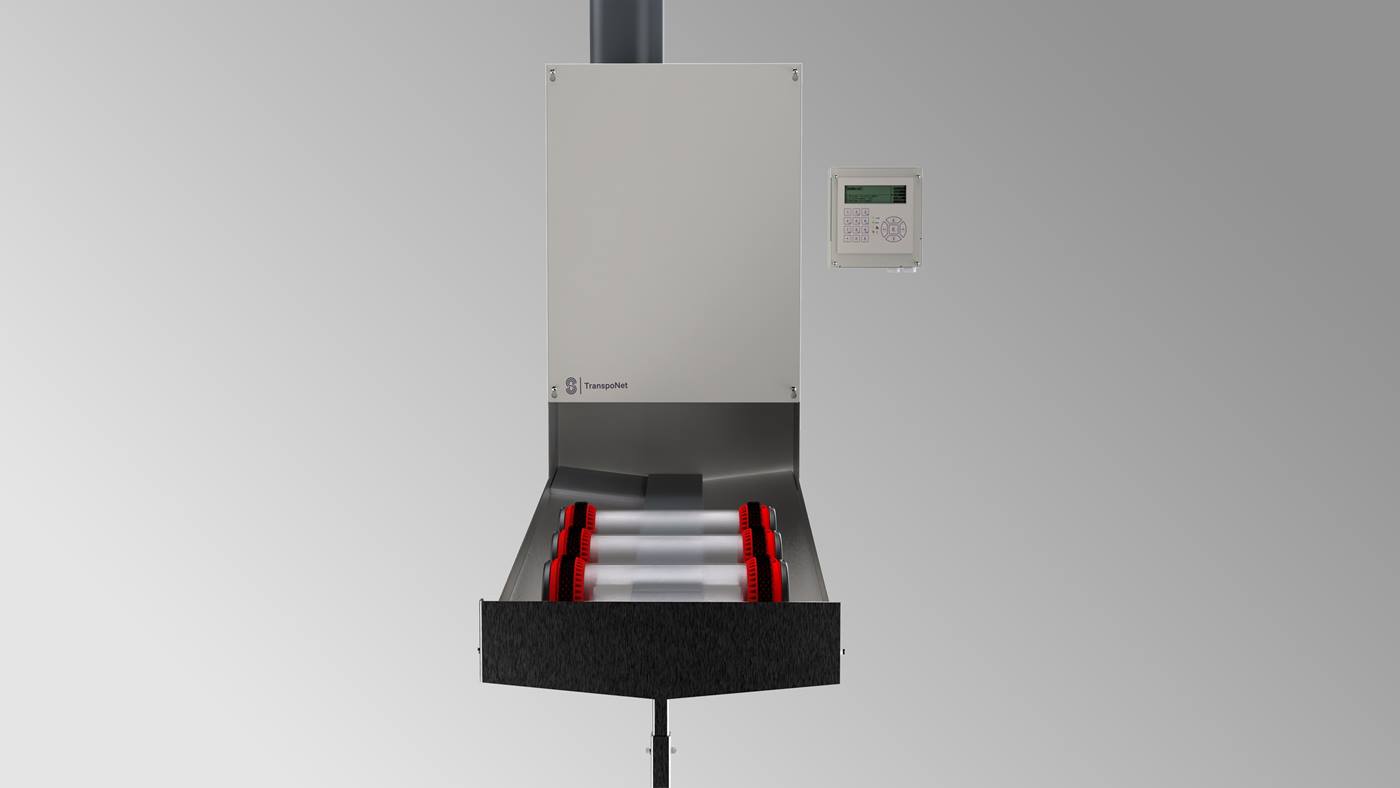
An automatic station like OpenLog+ removes the need for staff to manually unload carriers and send them back into circulation. This eliminates bottlenecks and keeps carriers moving during peak times.
Protect high-value items and controlled substances
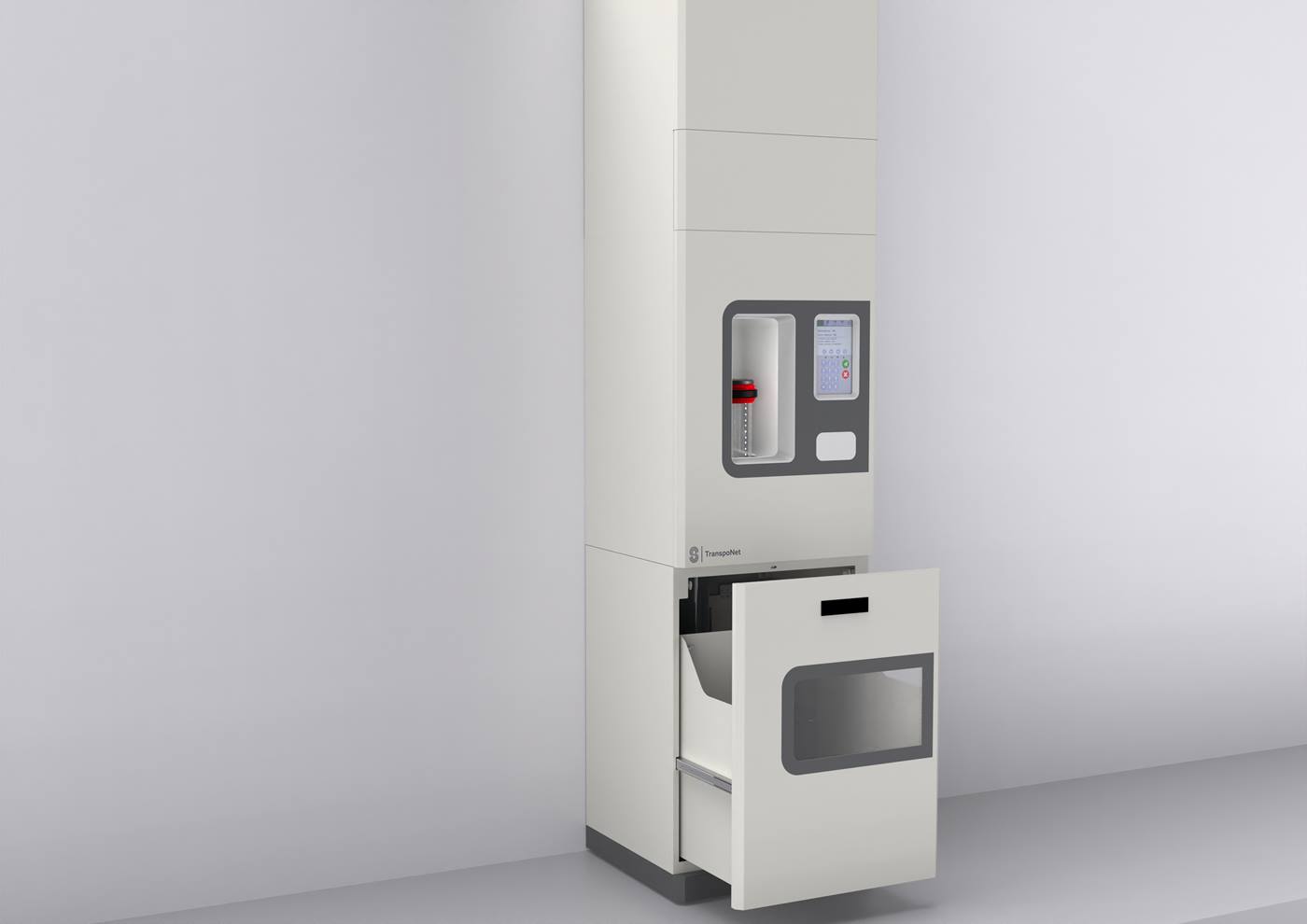
In busy wards, security matters as much as speed. A station like IntelliSend safeguards blood bags, medications, and other high-value items with —
- Multi-factor authentication
- Mobile notifications for incoming items
- Secured storage for up to six carriers
Only authorized personnel can access the drawer, ensuring chain‑of‑custody integrity.
Add accessories that improve tracking, capacity, and safety
Hardware upgrades aren’t limited to stations. Accessories can dramatically improve system performance and reliability.
Prevent station overflow
A tube system extension, such as SystemBuffer adds storage for up to four additional carriers.
- Carriers are safely stored until staff receive them
- Staff receive alerts when deliveries arrive
Pairing this with SafetyLock, a secure locking mechanism, adds maximum protection for sensitive items.
Track carriers and materials
Radio frequency identification (RFID)-enabled carriers provide real-time system activity.
- Know the exact location of carriers
- Automatically distribute empty carriers throughout the system
- Detect irregularities or transport malfunctions
- Schedule cleanings and maintenance based on use
This level of insight into tube system operations reduces downtime and prevents lost or delayed materials.
Maintain precise temperatures for medications
Cold‑chain integrity is non‑negotiable. Medical‑grade refrigerators such as Tenuto ensure medications remain safe and compliant before and after transport.
- Automate data logging
- Precise temperature control
- Smart alarms to prevent product loss
These features protect both patients and your pharmacy budget.
Prioritize this high impact safety enhancement Station locking mechanisms
Adding a locking mechanism to a station, such as SafetyLock ensures carriers are released only to authorized personnel.
- Protects controlled substances and sensitive items
- Ensures the intended recipient receives the carrier
- Easily retrofits onto existing stations, no need for replacements
The bottom line
Your pneumatic tube system is a critical part of hospital operations. Keeping hardware updated isn’t just about preventing breakdowns; it helps protect patients, improve efficiency, and safeguard high‑value materials.
A proactive hardware strategy reduces downtime, enhances security, and ensures your system performs reliably for years to come.