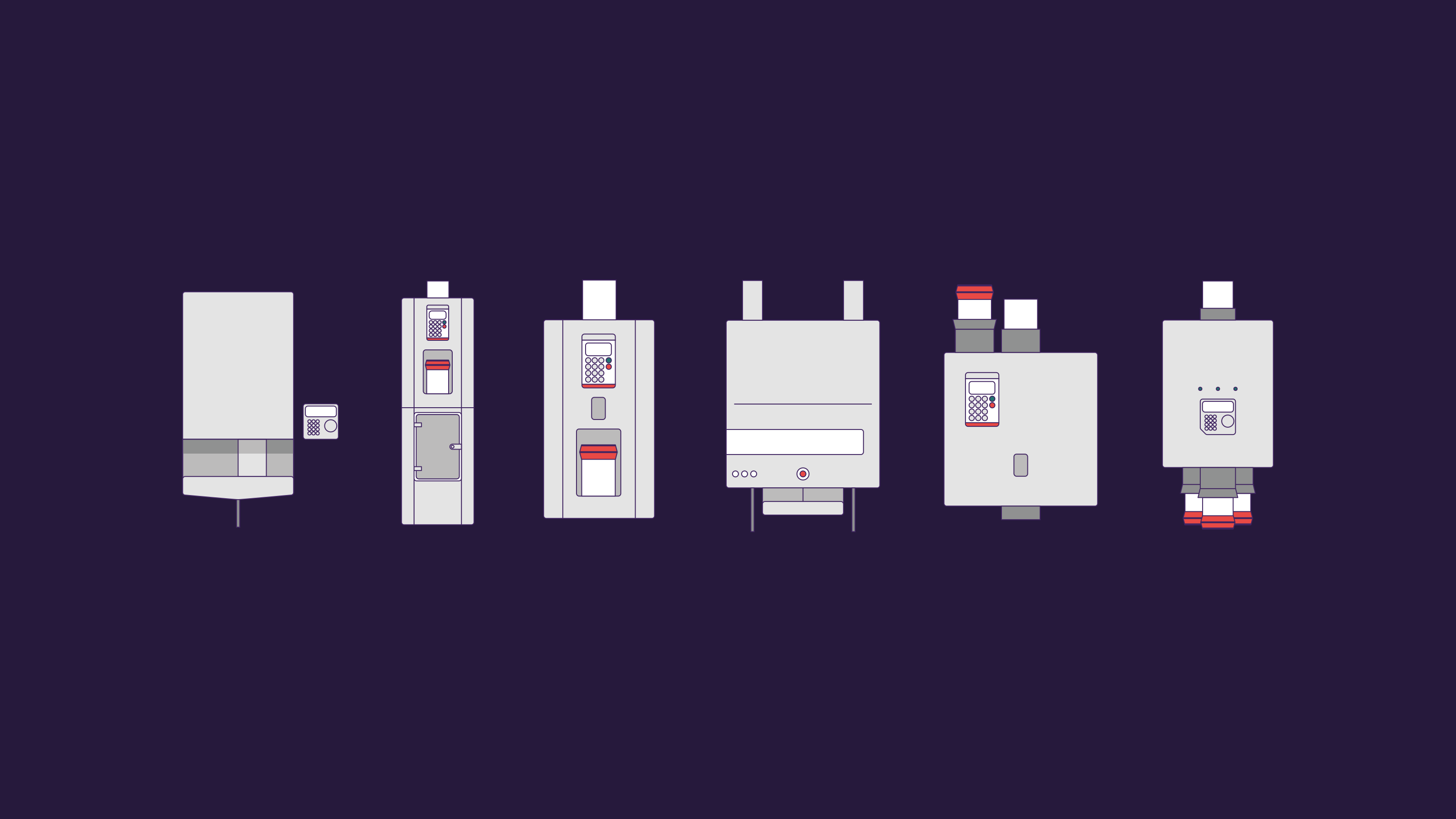
Consider smart choices for different needs
Prevent Medication Errors
When critical items move through a hospital, such as high-value medications, narcotics, or blood products, precision matters. Every transfer represents a moment where safety, compliance, and timing intersect. Yet, too often, these processes rely on manual checks or fragmented systems that slow down workflows and pull caregivers away from patients.
The number of errors associated with medications is serious. According to the European Hospital Management Association, 80 million serious medication errors occur every year in Europe. It’s clear, hospitals need better systems to protect patients and streamline workflows.
Traceability in transit transforms challenges into opportunities
Knowing where an item is, who handles it, and when it arrives, eliminates uncertainty. It means fewer phone calls, fewer delays, and fewer risks of misplacement.
- For narcotics: it ensures a secure chain of custody
- For blood products: the right unit reaches the patient in need, in a timely way
- For expensive medications: it protects investments and prevents waste
Advanced measures need not be your first action to prevent medication errors, instead hospitals can improve safety through practical measures by
- Using real-time notifications to alert staff that restricted materials are in transit
- Restricting access to authorized personnel only
- Requiring two staff members to confirm a release when an extra layer of security is needed
- Protecting carriers from view to prevent tampering
The role of pneumatic tube systems.
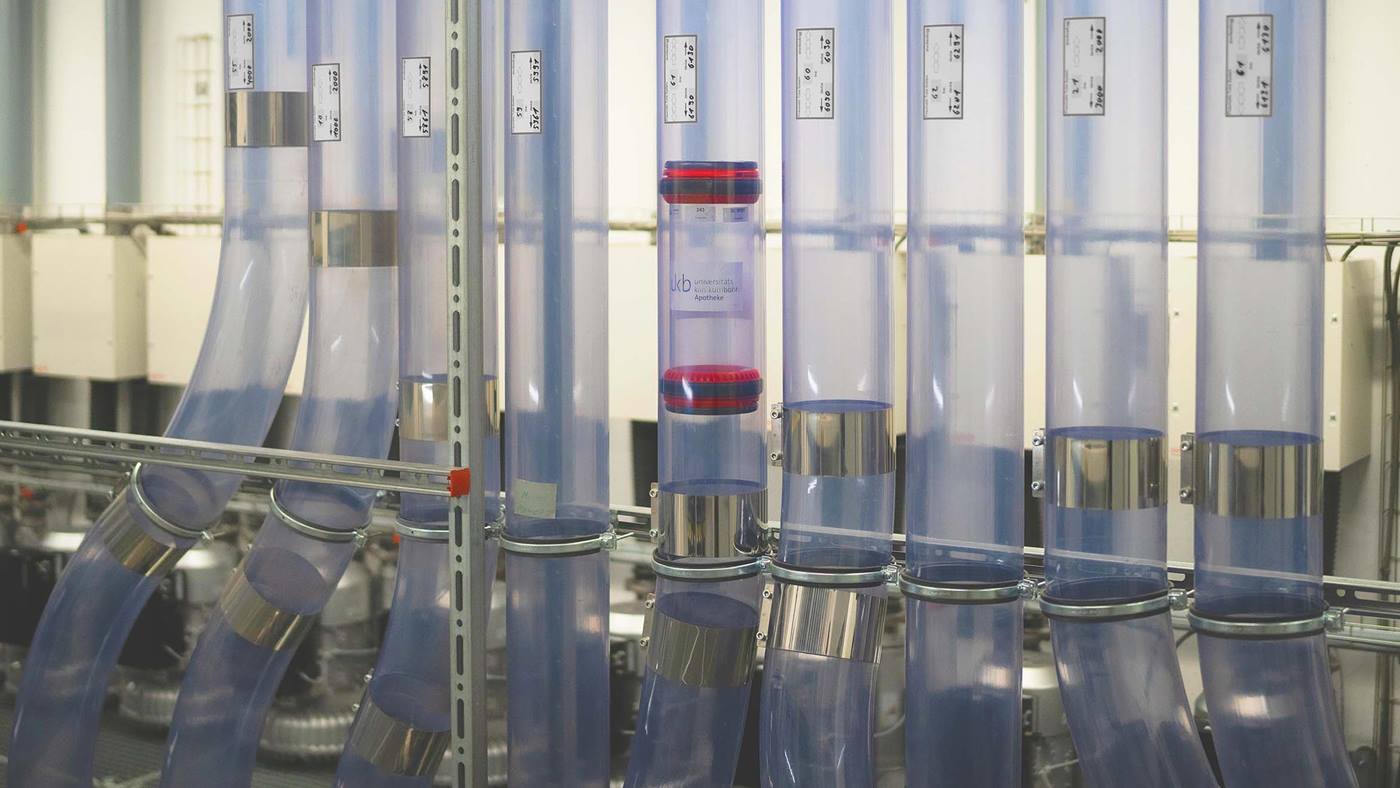
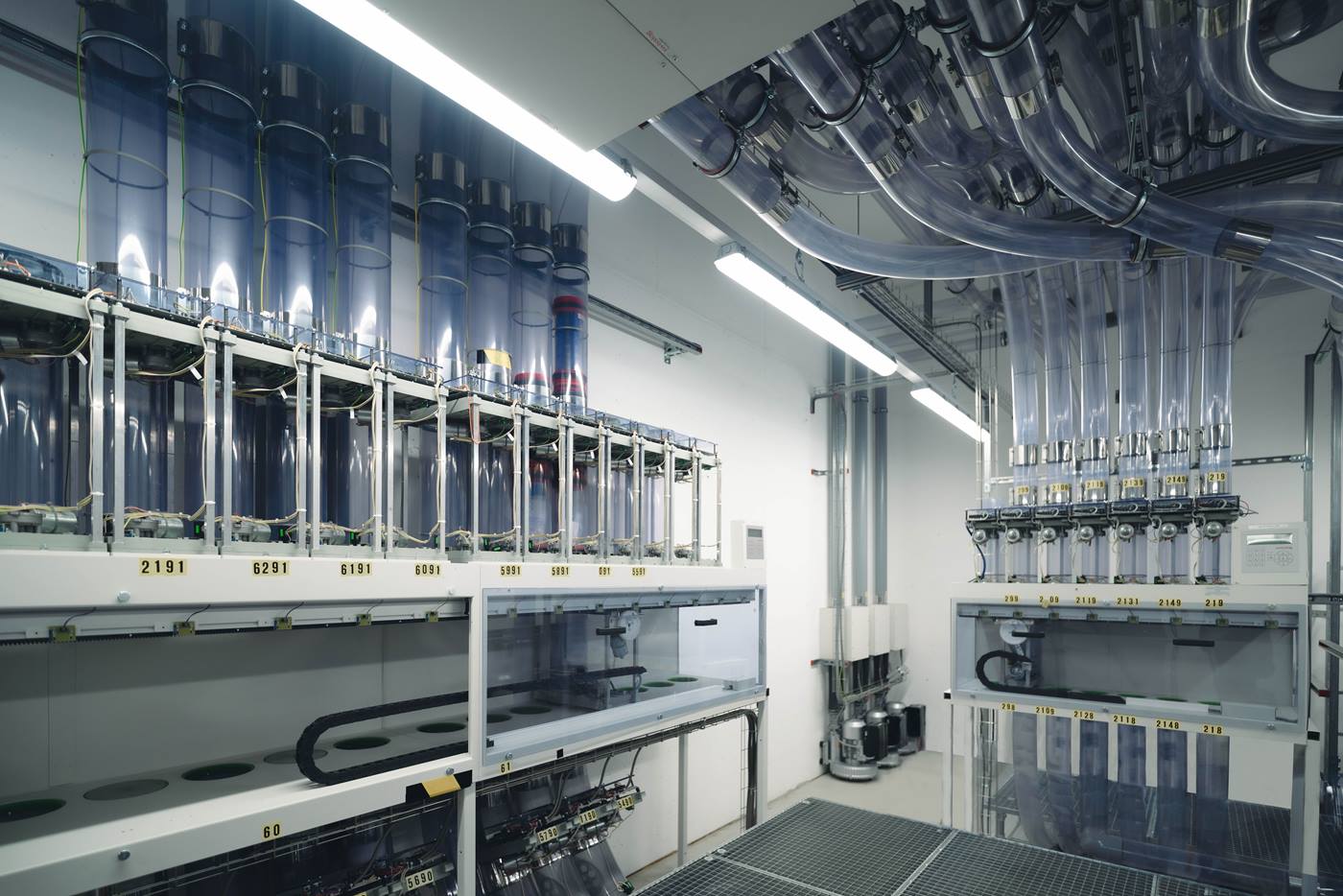
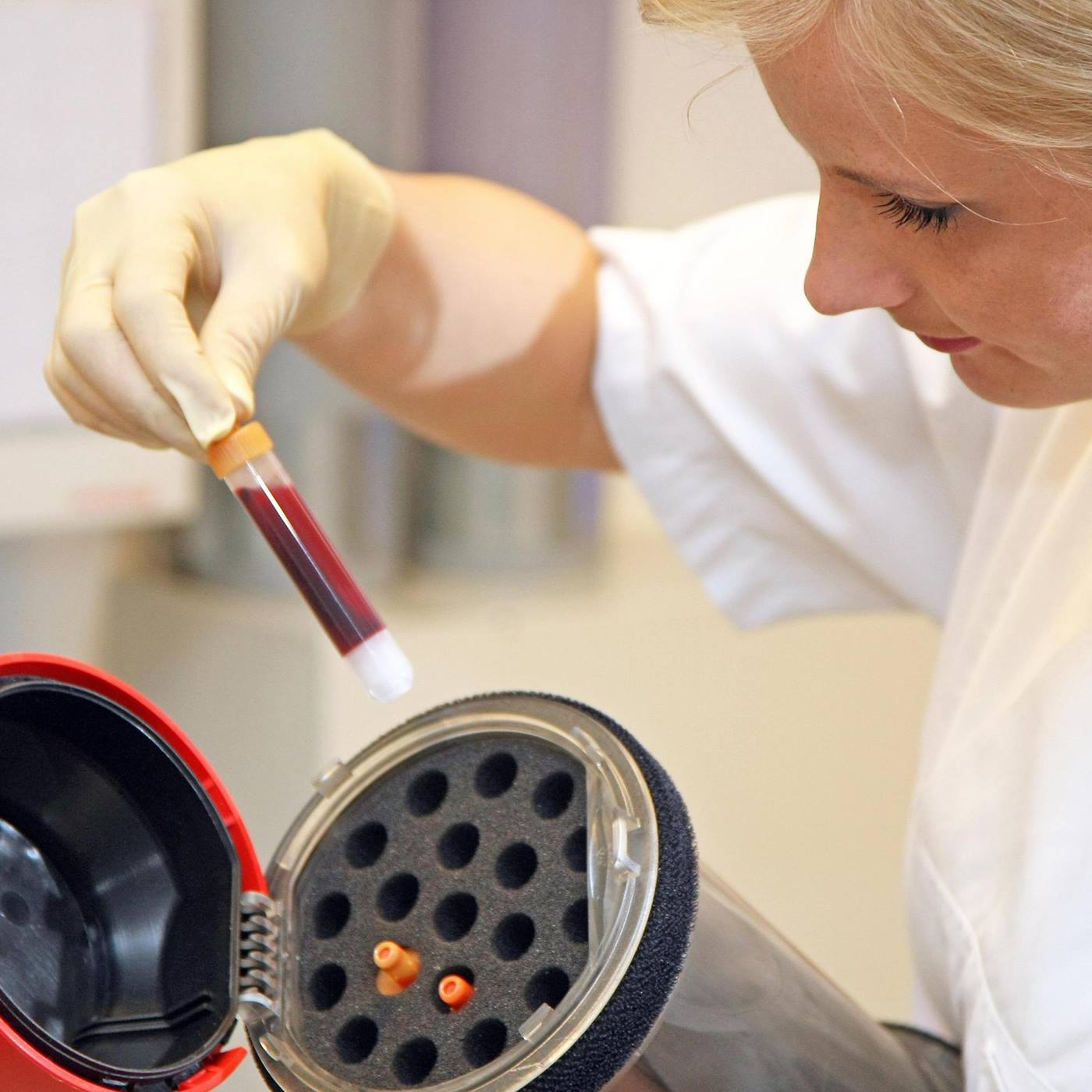
Pneumatic tube systems provide the infrastructure that allows hospitals to move blood products securely, quickly, and with the right digital controls. Tube systems are excellent at supporting transfusion services and the need to quickly deliver temperature sensitive products across the facility. In the hospital, its pneumatic tube system is a core element of its infrastructure that all teams rely on every day of the week and at all hours.
Next-level security: the IntelliSend station.
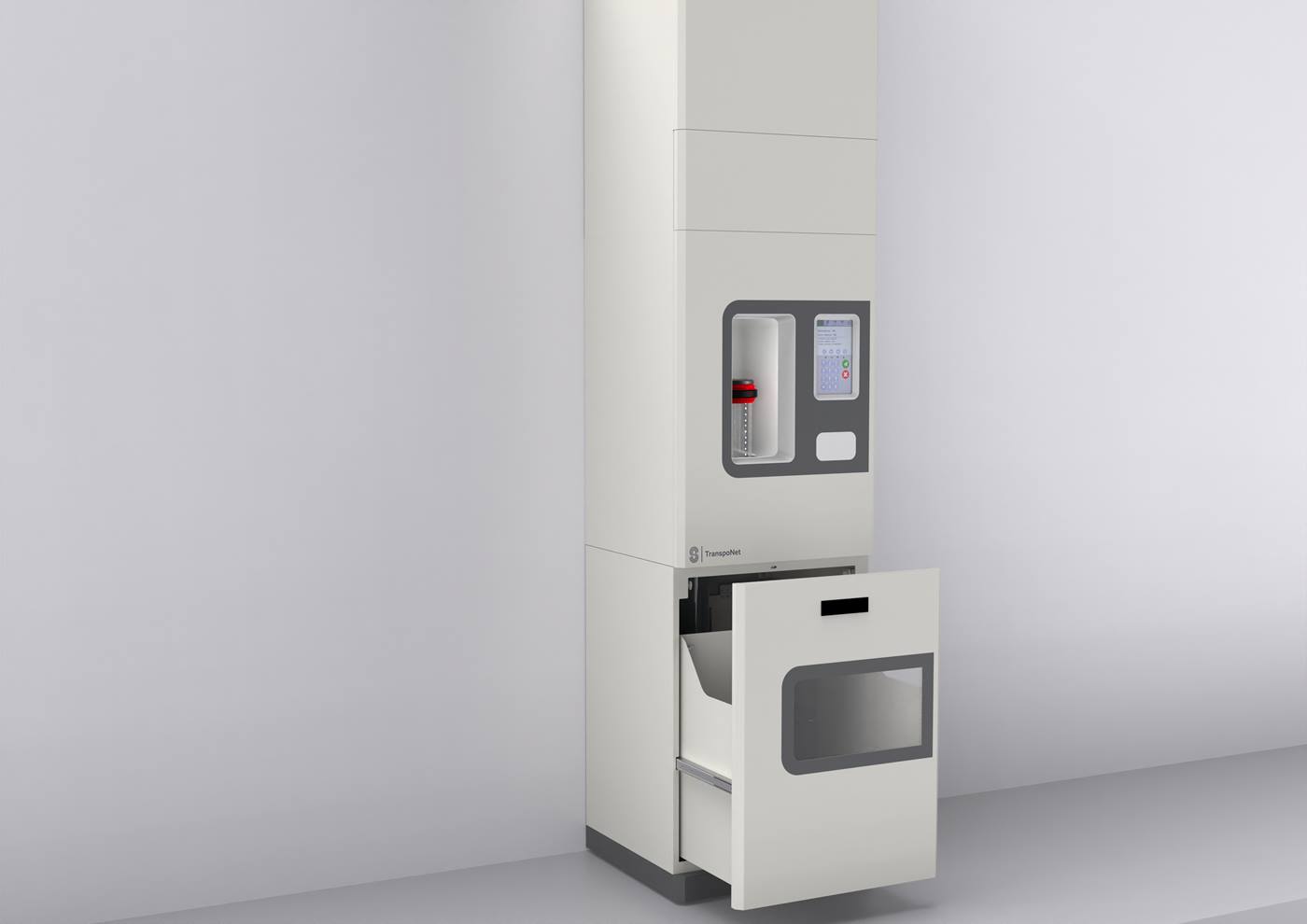
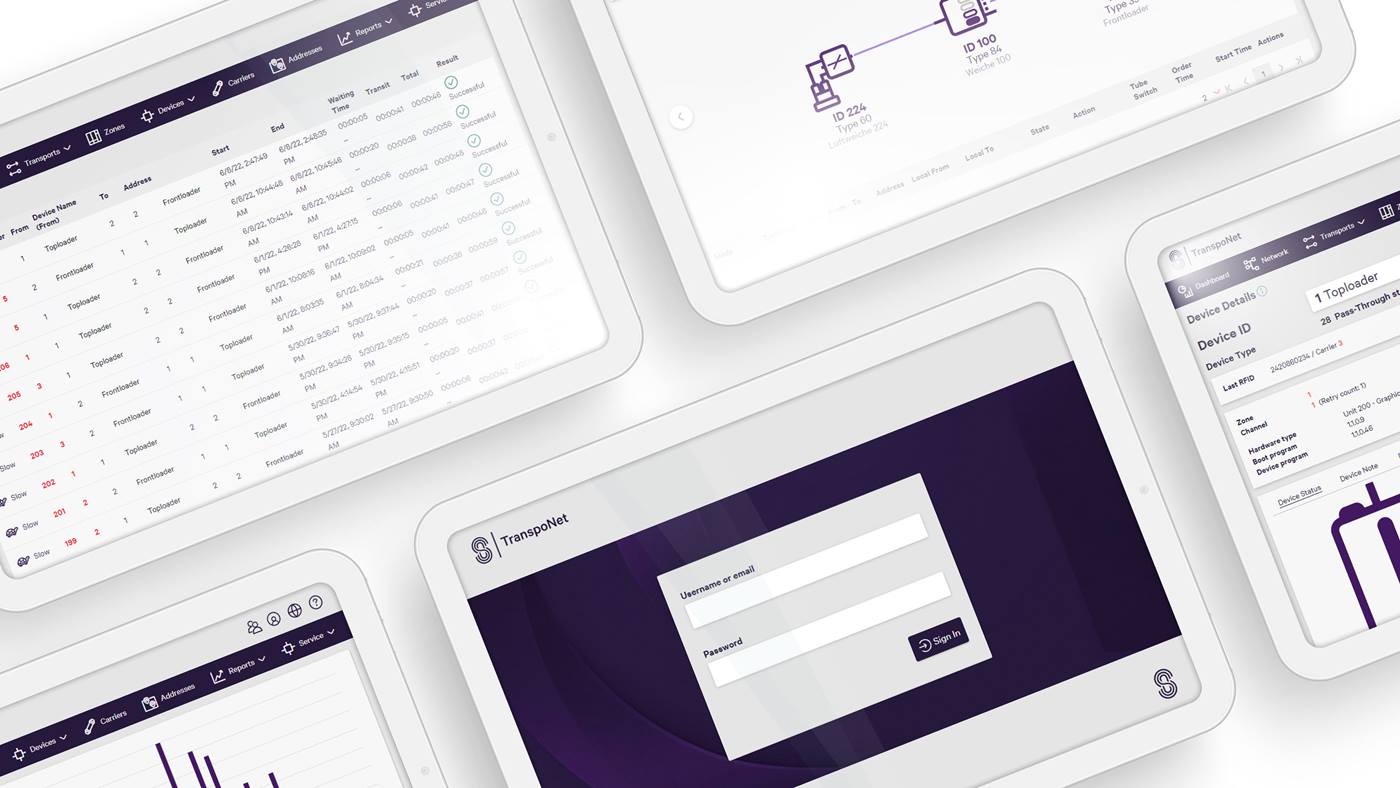
For facilities with the highest security needs, the new TranspoNet IntelliSend station enhances protection further. Features such as lockable cabinets, an add-on that authorizes personnel access to the tube system SafetyLock. The IntelliSent station includes additional intuitive features that ease care loads. The color-coded LED light system makes it easy to see when a basket is full, when a station or the system is getting serviced or when a carrier with a security flag has arrived, keeping workflows smooth and secure. Another valuable add on to the IntelliSend station is Delivery Manager. This software tracks and traces medication and material shipments no matter which of the three ways they are sent 1) pneumatic tube system, 2) other automated transportation methods, or 3) manual transport. Delivery Manager provides access to order details that include the status, location, and delivery method. These details provide hospitals with a single point of control and accountability and traceability throughout the entire delivery process.
To take advantage of this technology, hospitals need to keep their pneumatic tube system working at peak capacity, with regular software updates and hardware integration plans. When tube system software is up to date, IT security risks are reduced when regular patches and security upgrades are supported and upgraded. In addition, with updated software, the hospital is well positioned to take advantage of new features and ensure compatibility with the latest hardware releases.
Another important piece of equipment hospitals depend on to maximize their hospital transport system is medicalgrade refrigeration, like our Tenutō Medical Refrigerators & Freezers. They ensure blood products remain at the proper temperature with precise controls and automated data logging, which supports regulatory requirements.
Traceability isn’t just about technology, it’s about trust.
When hospitals choose traceability tools that fit their needs, they don’t just strengthen security they are building trust between clinicians and patients and freeing up more time to focus on patient needs.
Is your hospital ready to rethink how critical items move?
Make sure you have a partner who can support you with a pneumatic tube system, real-time monitoring for traceability, and solutions that manage medications at the point of care. The right partner will help you build a connected, secure workflow, so your team spends less time tracking and more time caring.
About the author Uwe Hogartz
Uwe is our Product Manager TranspoNet and responsible for all our products belonging to the pneumatic tube system TranspoNet – from the carrier to the tube up to the station. This includes all solutions currently available on the market, but also those that will be developed in the future. Creating requirement profiles, data sheets and price lists is part of his job.