Don’t Wait for a Breakdown: Blog 1 of 3
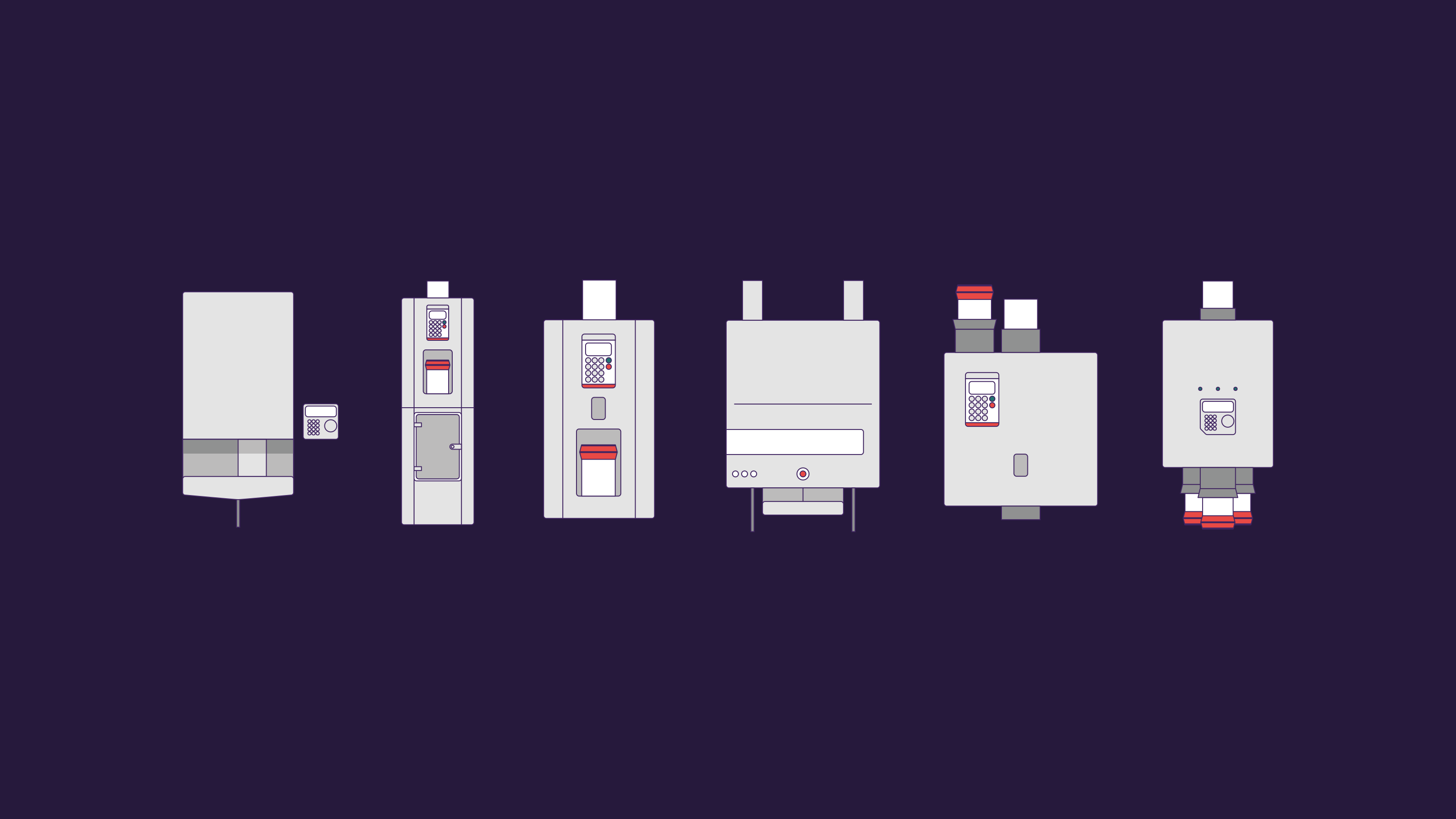
Hospital transport automation like pneumatic tube systems is a major investment and, retrofitting them can disrupt hospital operations. It’s understandable that after a system is installed, hospitals want to set it up and forget about it. But tube systems are infrastructure, just like beds, elevators, and laundry facilities. They need ongoing care to stay safe, reliable, and compliant.
When pneumatic tube systems become outdated, they no longer meet the standards required for fast, secure, and dependable clinical operations. And the risks escalate quickly.
The hidden dangers of outdated software
If your hospital is running on outdated software, it leaves your hospital vulnerable to
- Cyberattacks and ransomware due to missing security updates
- Regulatory and compliance issues as unsupported systems fall out of alignment with internal and external standards
- Patient safety risks caused by instability or downtime that delays critical workflows
- Higher costs because reactive maintenance is always more expensive than planned upgrades
And that’s only the beginning. As software ages, performance degrades, failures increase, and troubleshooting becomes slower and more complex.
What you gain by upgrading
Modern software and hardware deliver major improvements that directly support clinical efficiency and hospital security such as:
- Windows service: Technicians do not work directly on the server as part of their daily tasks.
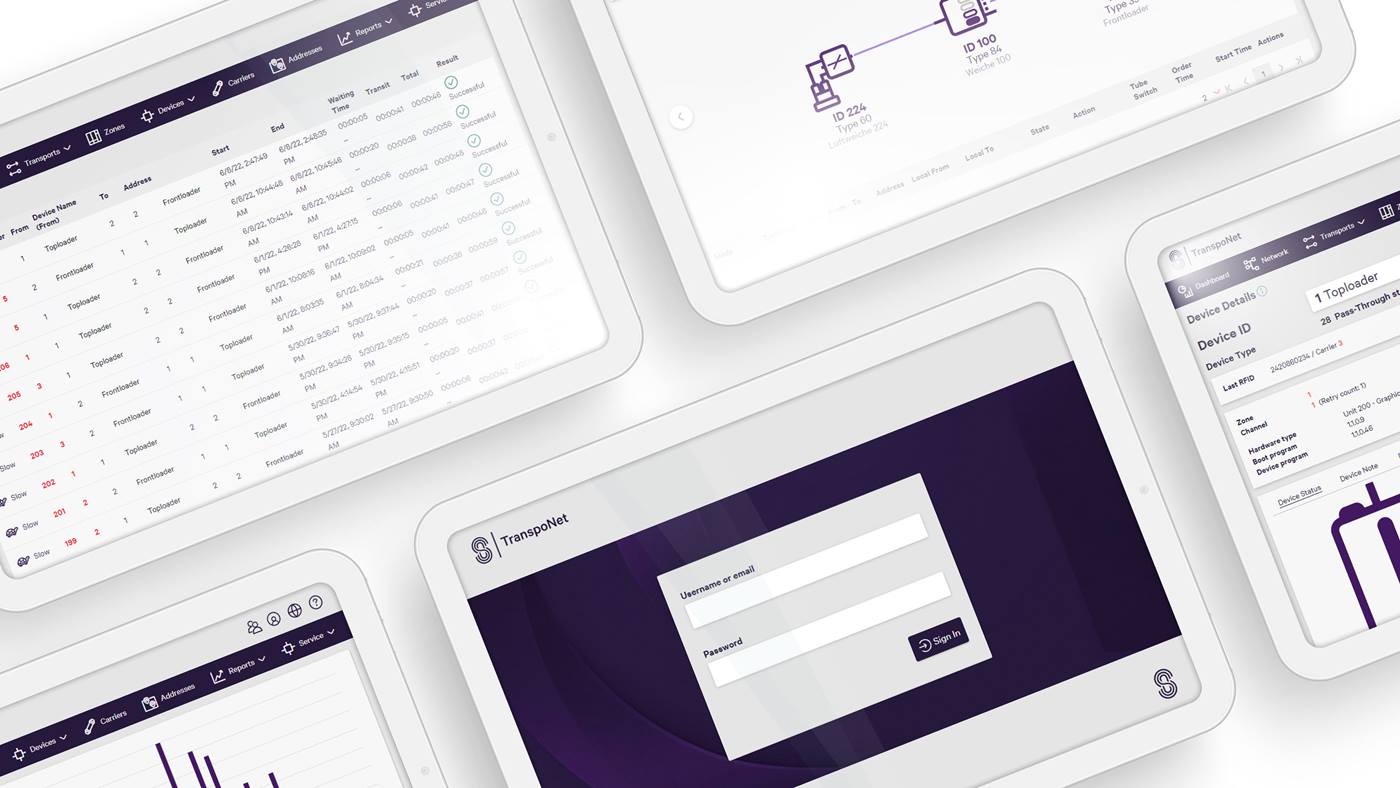
- Browser-based user interface: Flexible access is available from devices on the hospital intranet (no installation required). Secure remote access and VPN support are available. T-Control runs in the background on the server and can still be used as an app if necessary.
- Individual user accounts: Role‑based permissions are traceable and aligned with identity management standards.
- System control monitoring tools: Engineering teams can view system status and performance trends in real time, helping accelerate troubleshooting and proactive maintenance.
I’ve been the product manager for TranspoNet for more than 35 years. In that time, I’ve seen many generations of pneumatic tube systems and its software and hardware components and hospital logistics. I can confidently say: today’s tube systems are the best they have ever been. It’s important to understand why outdated tube systems are more than just old; they’re a liability.
If your hospital has a TranspoNet pneumatic tube system that runs software version 5.3 or older, here’s a manageable upgrade path.
We’ve created a clear timeline to help hospitals modernize their TranspoNet system.
Step 1 – Before 31 December 2026
- Upgrade from TranspoNet 5.x (or older) to the current software
- Easiest and fastest action to safeguard your system
Step 2 – By 30 June 2027
- Replace all components containing a PCB 3 / 8 / 14 / 40 / 70 are replaced with a component with unit 200 / 202.
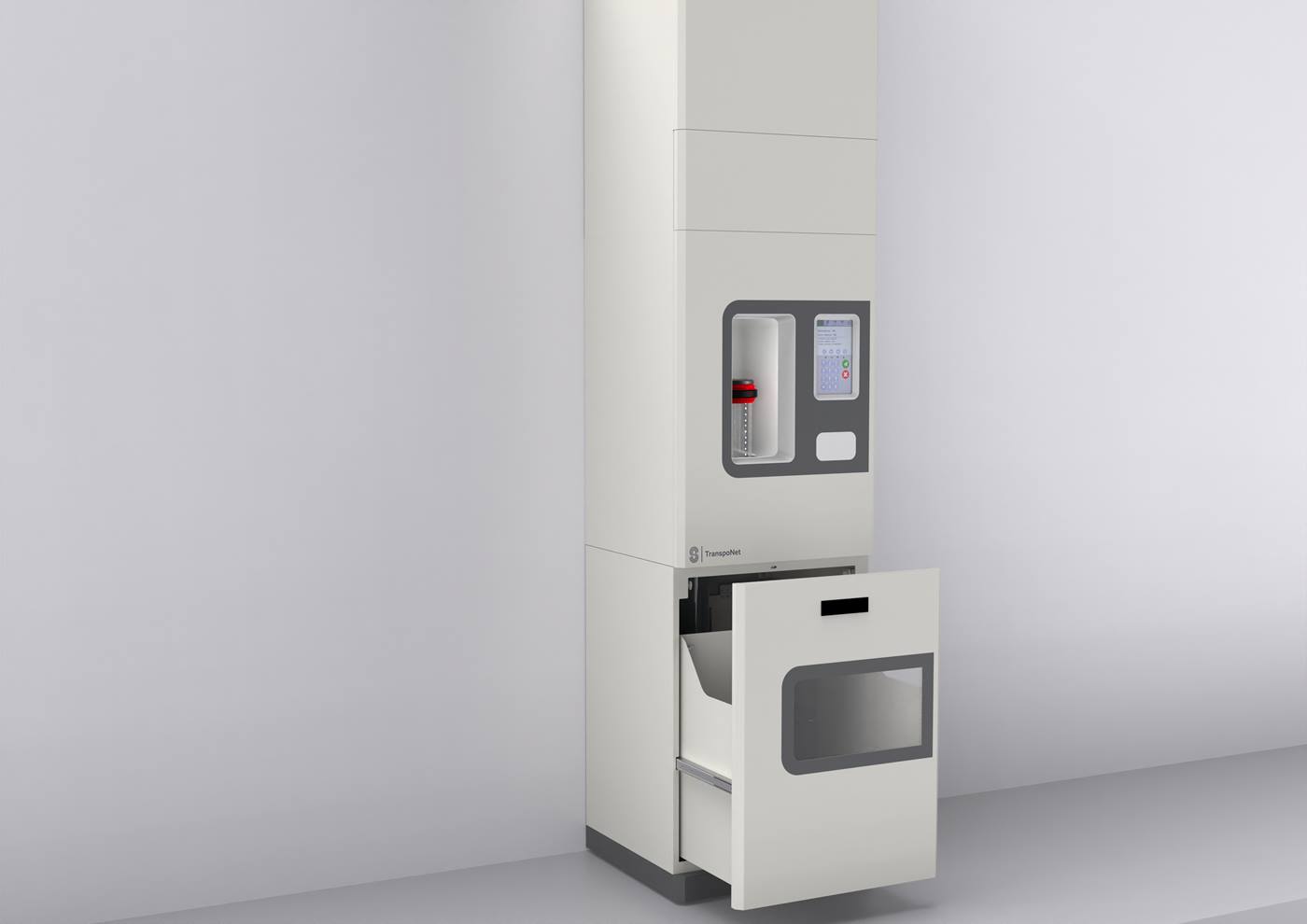
- Replace stations and diverters where needed
Step 3 - Ongoing
- Install software updates regularly to maintain security, operational performance, and compliance
The bottom line
In the long run, it’s far less expensive and safer to maintain a pneumatic tube system proactively and keep it modernized than to wait for a failure. Staying up to date protects your hospital from cybersecurity threats, operational disruptions, and costly emergency repairs, while ensuring your tube system continues to support fast, reliable clinical care.