The Hidden Costs of an Aging Cold Chain
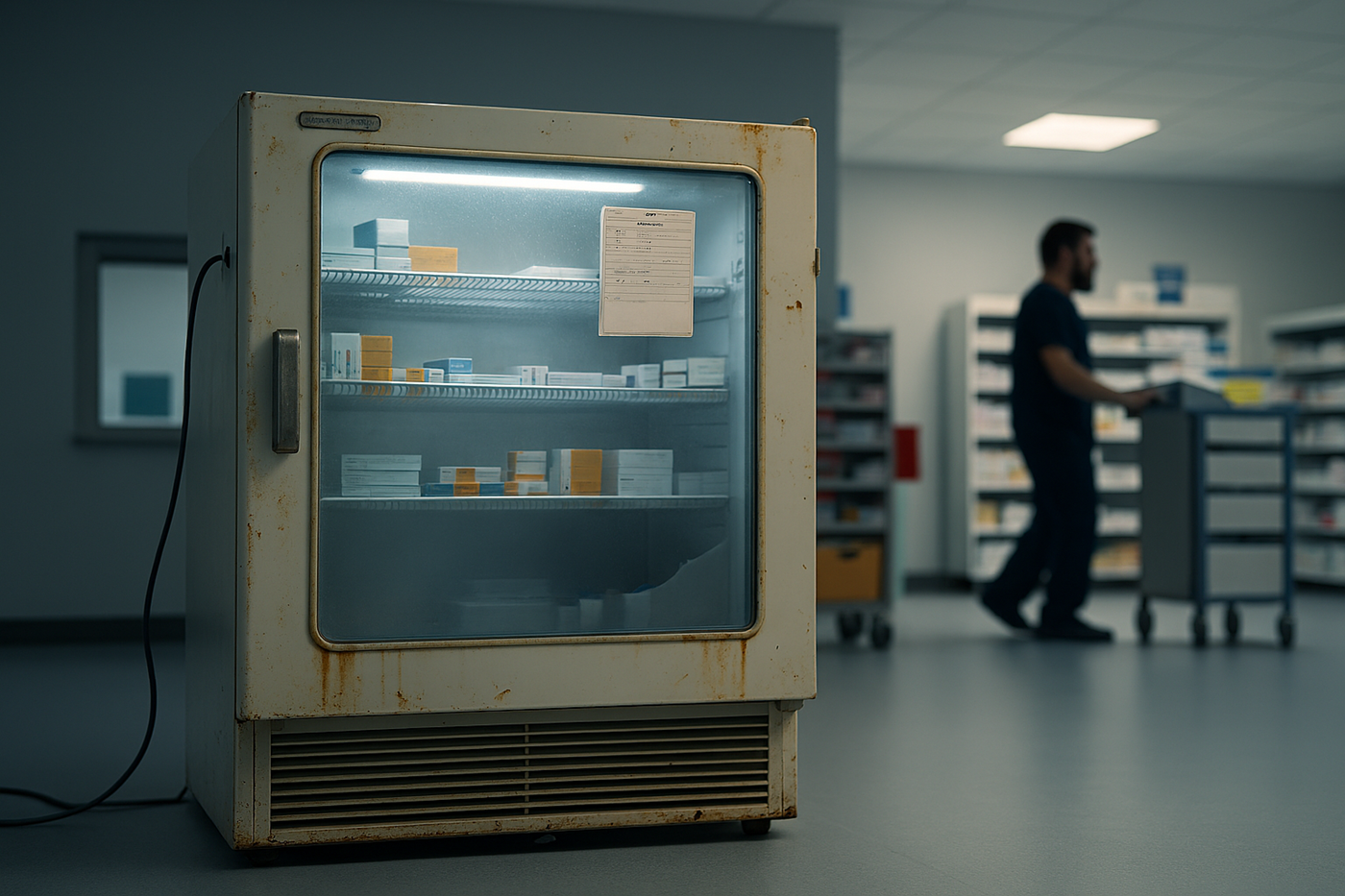
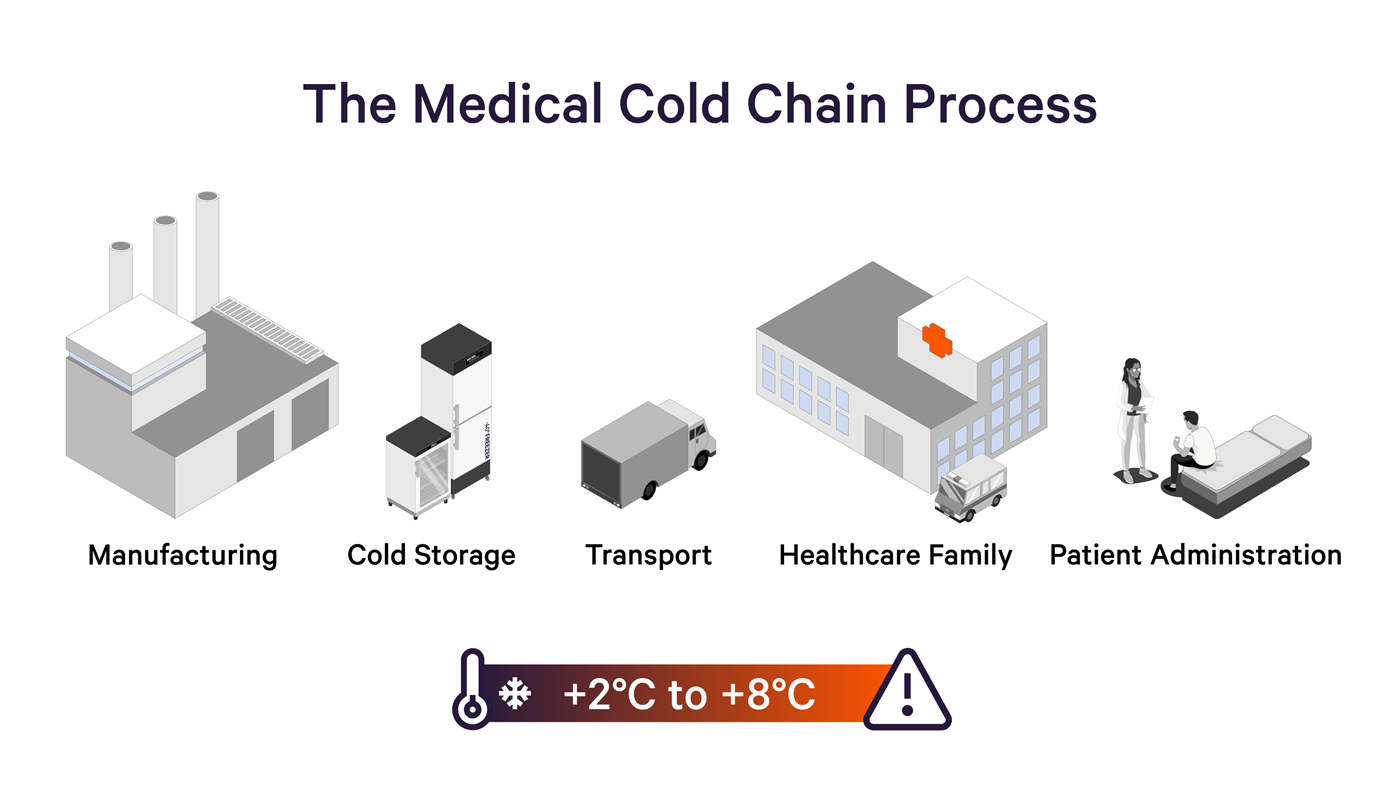
In hospital pharmacies and healthcare facilities, the cold chain plays a critical role in ensuring the safety and efficacy of medications, vaccines, and biological samples. These temperature-sensitive products require consistent, precise storage conditions to maintain their integrity. However, many facilities continue to rely on outdated refrigeration equipment, unaware of the significant, and often hidden costs, associated with aging cold chain infrastructure.
Cold chain failures cost the pharmaceutical industry billions of dollars annually in product loss and related expenses. While the decision to retain older equipment may stem from a desire to avoid capital expenditure, the true cost of aging units extends far beyond the initial savings. It impacts operational efficiency, environmental sustainability, regulatory compliance, and, most importantly, patient safety.
Environmental and Financial Impact
Older refrigeration units are notoriously inefficient. A single 20-year-old refrigerator can consume up to 1,700 kWh annually, translating into hundreds of dollars in electricity costs. In contrast, modern Energy Star-certified units are designed for efficiency, featuring improved insulation and advanced compressor technology.
For example, when the Mayo Clinic replaced its aging freezers with energy-efficient models, it achieved a reduction in energy use of over 60%, resulting in substantial long-term cost savings.
Moreover, many legacy units rely on refrigerants that are now regulated or being phased out due to their environmental impact. Upgrading to modern equipment not only reduces a facility’s carbon footprint but also ensures compliance with evolving environmental standards.
Compliance and Patient Safety
The most compelling reason to modernize cold chain equipment is to protect patient health and maintain regulatory compliance. Outdated units may fail to meet current standards set by organizations such as the Centers for Disease Control and Prevention (CDC), potentially compromising medication efficacy and triggering audit failures.
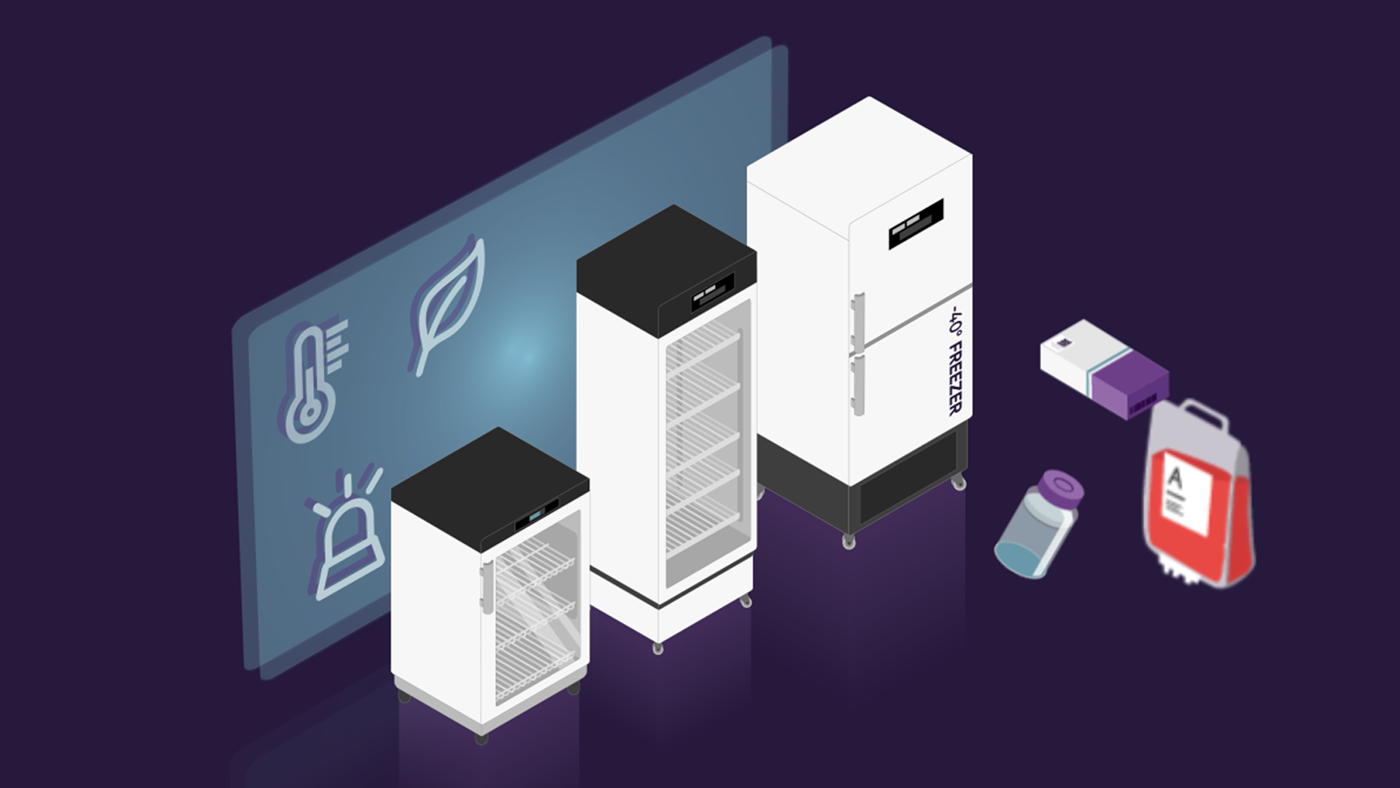
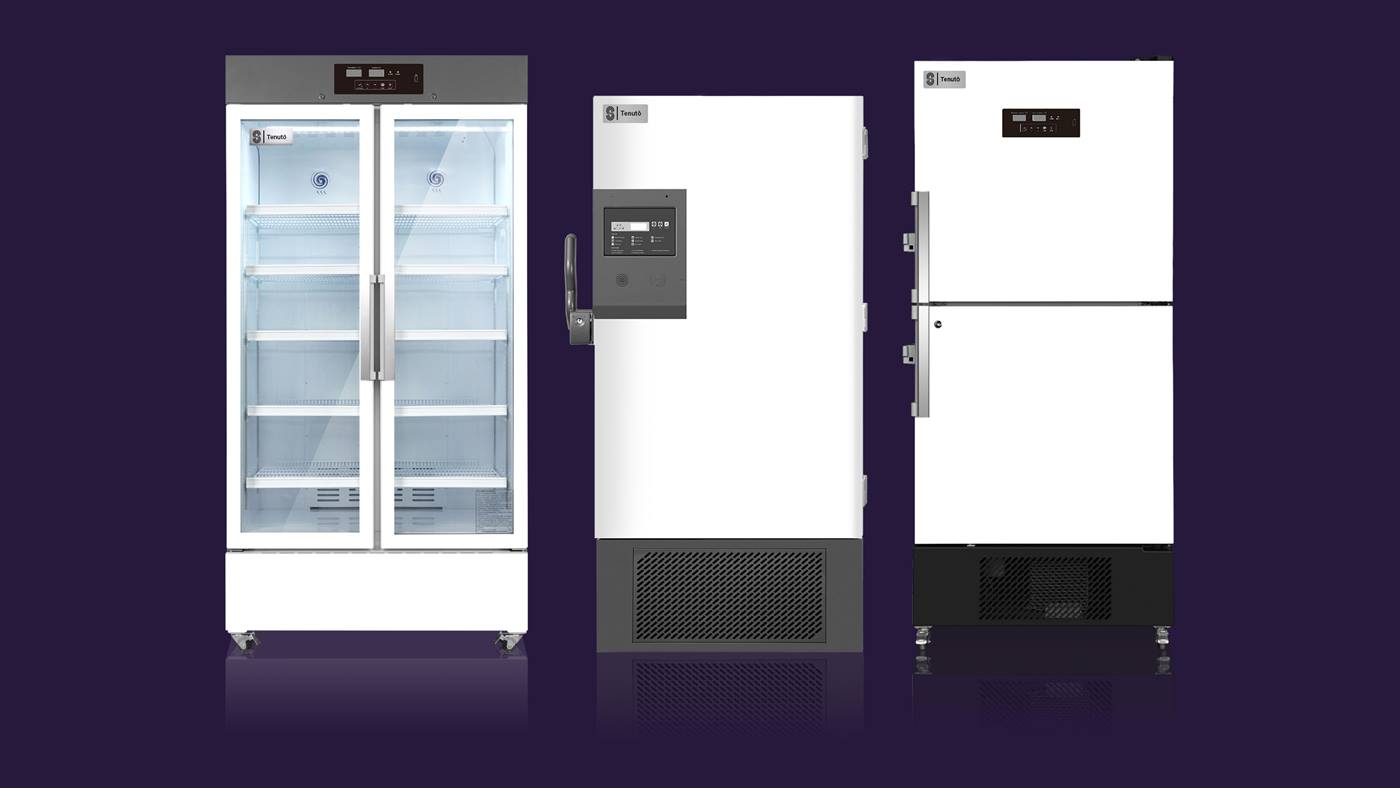
Modern, purpose-built medical refrigerators and freezers provide a validated, reliable environment that safeguards the integrity of every dose. Investing in updated cold chain technology is a proactive step toward ensuring patient safety and regulatory readiness.
Conclusion
While the upfront cost of new cold chain equipment may be a consideration, it pales in comparison to the long-term operational costs, potential inventory losses, and risks to patient safety posed by aging units. Understanding the full impact of outdated cold storage is the first step toward making a smarter, safer investment in your facility’s future.
View our future solution to
cold chain.
About the author Connie Vigil
Connie Vigil is a Product Manager at Swisslog Healthcare, where I lead the JVM and Cold Chain portfolios, managing Cold Chain solutions globally and JVM initiatives regionally. I'm based in the U.S., bring over a decade of experience as a Certified Pharmacy Technician in both retail and acute care settings, which gives me a deep, firsthand understanding of healthcare operations that informs every product decision I make.
More about Connie Vigil