Reading Time: 8 min.
Cold chain compliance is the systematic process of maintaining temperature-sensitive pharmaceuticals, vaccines, and biological samples within specified ranges throughout storage and distribution. For pharmacy directors and laboratory managers across Asia-Pacific, this means validated equipment, continuous monitoring, documented procedures, and trained staff — not just refrigeration capacity. Regulators and auditors increasingly examine whether equipment is qualified and monitored, not simply whether it exists. This article covers the temperature standards, regulatory frameworks, and common audit failures relevant to pharmacy and laboratory cold chain operations in 2026.
Pharmaceutical cold storage requirements
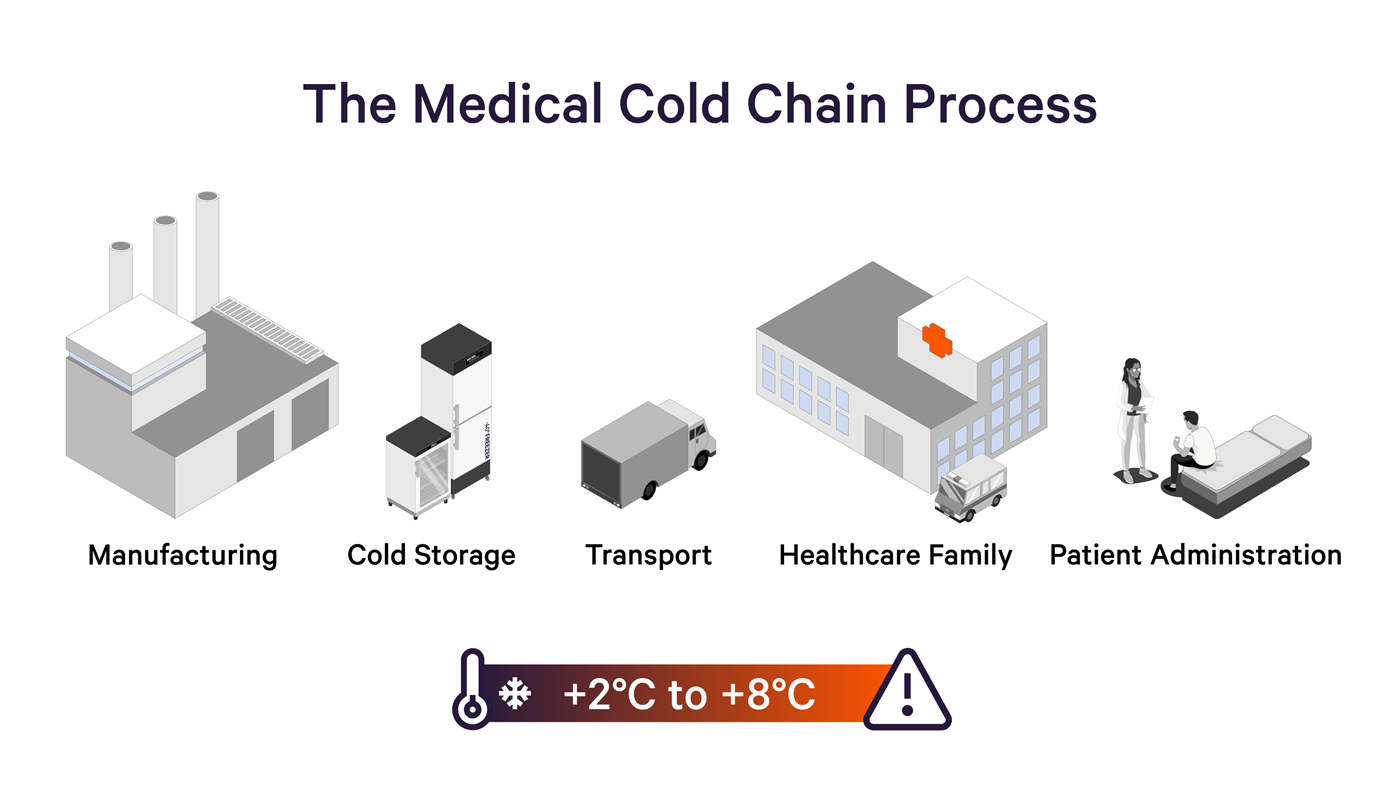
Vaccines generally require storage between 2°C and 8°C, a range that protects potency while preventing freeze damage below 0°C. Some vaccines fall outside this band: Varicella, live zoster, and MMRV require frozen storage between -50°C and -15°C, and some COVID-19 mRNA formulations require -80°C to -60°C, though standard cold chain alternatives now exist for many of these. Temperature uniformity matters as much as the setpoint — medical-grade units are typically designed for tight uniformity (often referenced near ±1°C) with no freezing zones, since door openings, loading patterns, and defrost cycles can all create gradients that compromise stored product.
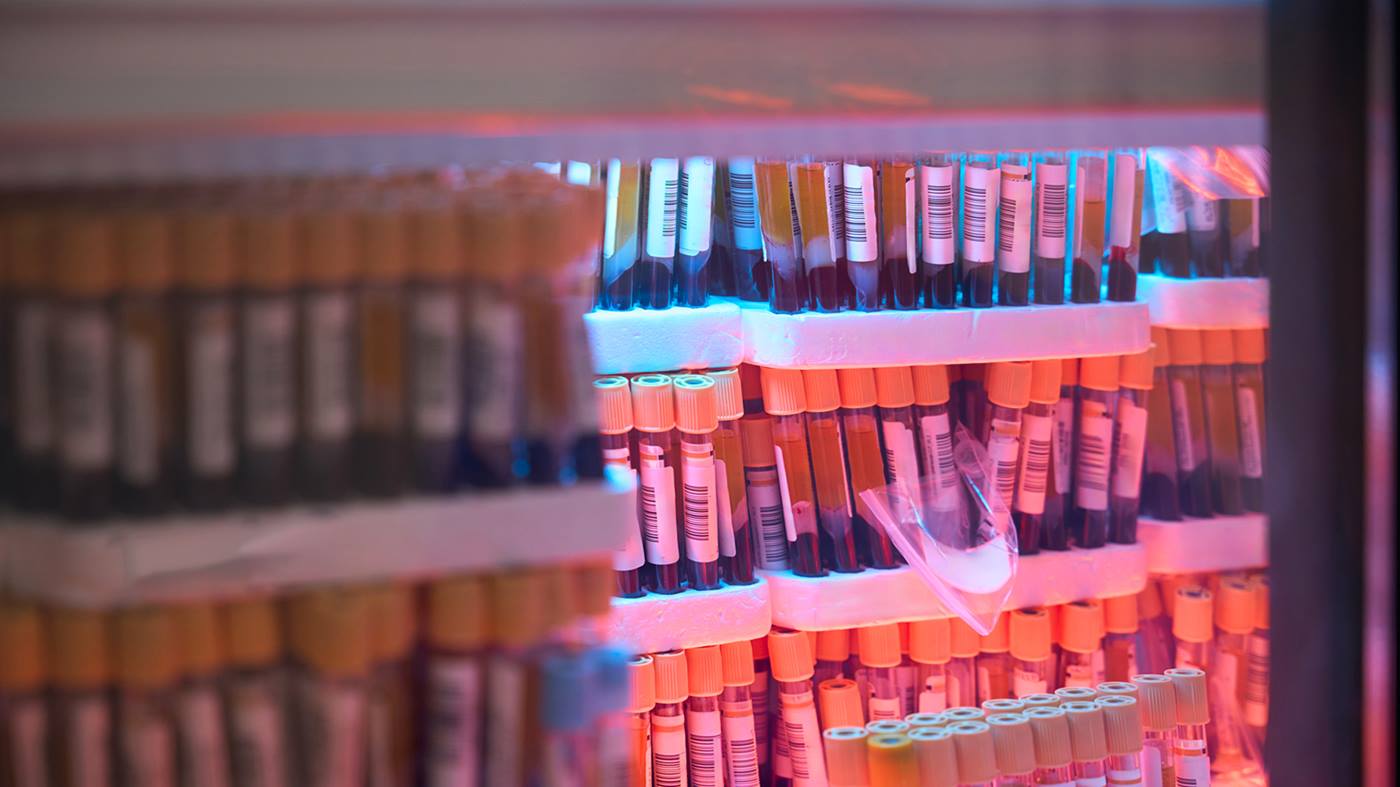
Biological samples and cell therapies, including CAR-T products and research specimens, often require ultra-low temperature freezers (ULT) at -40°C to -86°C, with some laboratory applications requiring -150°C cryogenic storage in liquid nitrogen. These living therapies need precise control throughout manufacturing, distribution, and administration; the ISBER Best Practices for Repositories and FDA guidance on cellular and gene therapy products provide the relevant frameworks.
| Product Category |
Temperature Range |
Critical Considerations |
| Standard Vaccines |
+2°C to +8°C |
No freezing; tight uniformity (commonly near ±1°C) |
| Frozen Vaccines (Varicella, MMRV) |
-50°C to -15°C |
Protect from light; single freeze cycle |
| Biologics / Cell Therapies |
-86°C to -40°C |
Redundant cooling; validated monitoring |
| Cryogenic Storage |
-150°C (vapor phase LN₂) |
Liquid nitrogen level monitoring |
Cold chain regulations and requirements
Pharmacy and laboratory operations sit at the intersection of several overlapping frameworks.
WHO PQS prequalifies vaccine refrigerators, cold boxes, and carriers against defined performance criteria, including holdover time during power outages and freeze protection. Many national immunization programs require or prefer PQS-prequalified equipment, which can simplify compliance documentation for pharmacy operations.
Good Distribution Practice (GDP) governs the distribution of medicinal products. The EU Guidelines on Good Distribution Practice of medicinal products for human use (2013/C 343/01) and WHO GDP guidance set requirements for storage conditions, temperature monitoring, and documentation. GDP applies primarily to wholesale distributors, but hospital pharmacies receiving and storing medicinal products must also meet relevant provisions: qualified storage areas, validated equipment, temperature mapping, and excursion-handling procedures.
GxP is the umbrella term for Good Manufacturing Practice (GMP), Good Laboratory Practice (GLP), and Good Clinical Practice (GCP). GMP extends to on-site pharmacies compounding sterile preparations; GLP governs storage for regulated non-clinical laboratory studies with full chain-of-custody documentation; GCP applies to investigational products at trial sites, where temperature documentation feeds into the trial master file. For most pharmacy and laboratory teams, GCP storage requirements are best treated as an extension of existing cold chain SOPs rather than a separate system.
Beyond these international standards, national and regional rules apply: FDA 21 CFR Part 211 and USP <797>/<800> in the US; EU GDP guidelines and national medicines agency rules in Europe; TGA, MedSafe, HSA, CDSCO, and NMPA across Asia-Pacific; and accreditation bodies such as JCI and ACHS, which include cold chain management in their assessment criteria.
Common audit failures and how to prevent them
Drawing on WHO, CDC, and GDP guidance, the findings below are the ones auditors raise most often, each with a practical way to prevent it.
Inadequate monitoring documentation. Manual logs with gaps or unrecorded excursions are the most frequent audit finding. Automated continuous monitoring with digital logging — recording at 5-15 minute intervals, generating excursion alerts, and producing audit-ready reports — addresses this directly. Confirm backup power for monitoring systems and that alarms reach responsible staff 24/7.
Non-validated equipment. Domestic refrigerators or units without Installation, Operational, and Performance Qualification (IQ/OQ/PQ) documentation cannot demonstrate compliance. Use only medical-grade refrigeration designed for pharmaceutical storage, and re-qualify after significant maintenance or relocation.
Poor excursion response. Auditors look for documented investigation, quarantine decisions, and product disposition for every excursion — not just the temperature log. Written procedures with clear escalation paths and disposition criteria close this gap.
Training gaps. Staff who can't explain monitoring procedures or alarm response represent risk, particularly after turnover without proper onboarding. Competency-based training with documented assessments, repeated annually and after any procedure change, addresses this.
Outdated SOPs. Procedures that don't reflect actual practice — or were never formally approved — are a recurring finding. Review and version-control SOPs at least annually, covering monitoring, calibration, maintenance, and excursion response.
Medical-grade vs. domestic refrigeration
| Feature |
Medical-Grade |
Domestic |
| Temperature Control |
Tight, validated uniformity |
Wide fluctuations |
| Monitoring & Alarms |
Built-in, continuous |
None |
| Documentation |
IQ/OQ/PQ, calibration certificates |
None |
| Door Design |
Self-closing, heated glass, magnetic seals |
Standard, condensation-prone |
| Interior |
Wire shelving, fan circulation, no freezer compartment |
Solid shelving, poor airflow |
| Security |
Lockable, access-control compatible |
No locking |
CDC guidance strongly discourages domestic refrigeration for vaccine or pharmaceutical storage, and most regulatory and immunization programs don't accept it for compliance purposes — the apparent cost savings are typically offset by product loss and audit remediation.
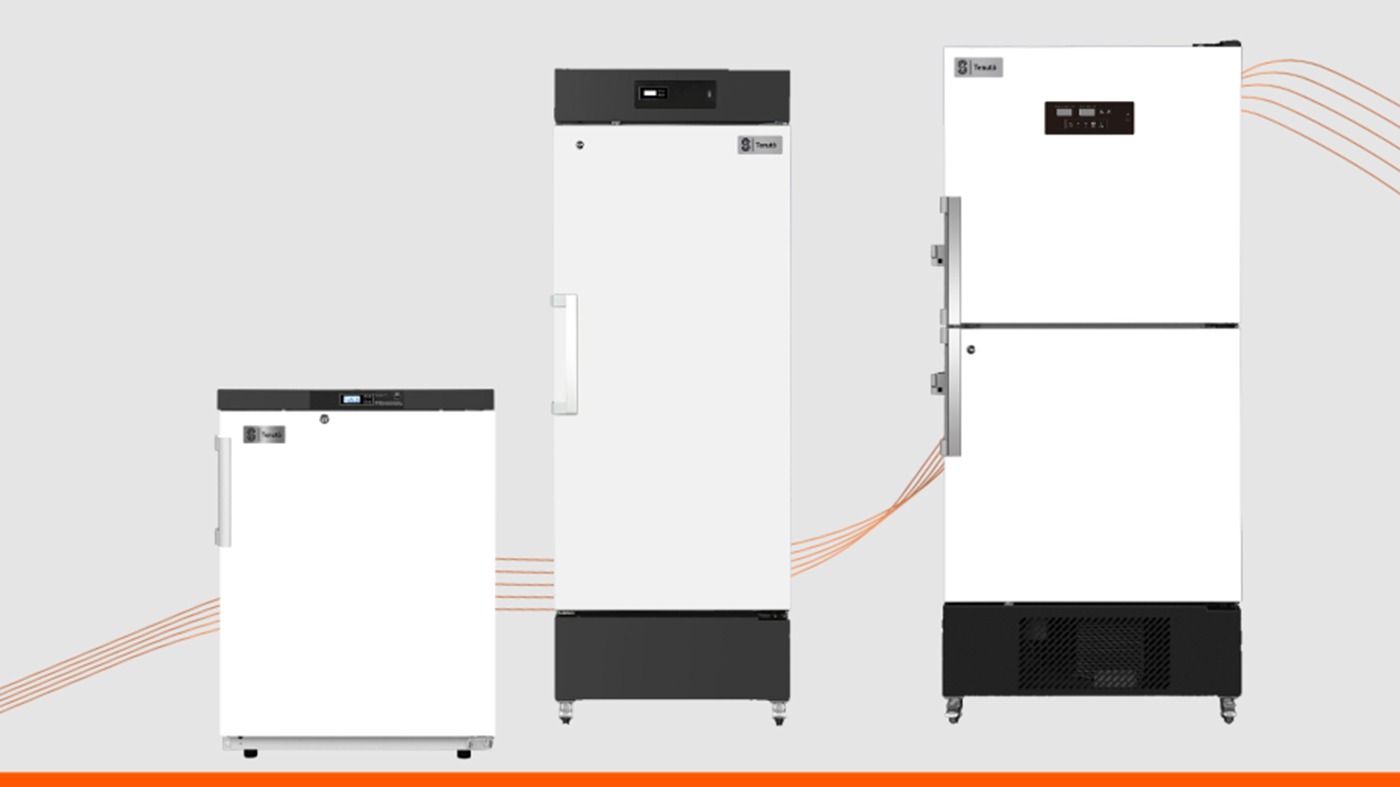
Swisslog Healthcare's Tenutō portfolio incorporates features commonly associated with compliance-ready cold chain storage, including continuous monitoring, alarm systems, backup battery support, and selected models with Dual Guard dual-compressor redundancy.
Building a Compliance-Ready Cold Chain
Compliance-ready cold chain and hospital cold chain management begins with equipment selection and being aware of medication storage requirments. When evaluating refrigeration and freezer upgrades, pharmacies and laboratories must treat validated uniformity, continuous integrated monitoring, and documented qualification support as baseline requirements, and not as optional features.
Talk to Swisslog Healthcare about how the Tenutō cold chain portfolio supports compliance-ready pharmacy and laboratory storage.
Frequently Asked Questions for Cold Chain Compliance
What temperature should vaccines be stored at?
Most vaccines require 2°C to 8°C. Varicella and MMRV require frozen storage at -50°C to -15°C. Always confirm against manufacturer specification and current WHO guidance.
What are the medical refrigerator requirements for vaccine storage compliance?
Continuous monitoring, alarm systems, IQ/OQ/PQ qualification documentation, and — for many immunization programs — WHO PQS prequalification. Exact requirements vary by jurisdiction and program.
How often should medical refrigeration units be calibrated?
There's no universal fixed interval. Most facilities set a 6-12 month schedule based on risk assessment and manufacturer specification, with continuous monitoring supplementing periodic calibration between cycles.
What records are required for cold chain audit compliance?
Monitoring logs, calibration certificates, maintenance records, excursion reports with corrective actions, training records, IQ/OQ/PQ documentation, and current SOPs. Retention is typically 3-5 years or product shelf life, whichever is longer, though this varies by jurisdiction.
About the author Jessica Ledesma