Lesezeit: 5 Min.
Im Gesundheitswesen, in der Pharmaindustrie und in den Biowissenschaften ist Kühlung mehr als nur eine praktische Unterstützung – sie ist ein entscheidender Faktor für die Patientensicherheit, die Einhaltung regulatorischer Vorgaben und einen effizienten Betrieb. Ob Sie eine Krankenhausapotheke, ein Forschungslabor oder ein Impfstoffverteilzentrum ausstatten: Die Auswahl des richtigen medizinischen Kühl- oder Gefrierschranks erfordert eine sorgfältige Bewertung mehrerer Schlüsselfaktoren für Entscheidungsträger weltweit.
1. Temperaturkontrolle: Präzision ist unverzichtbar
Medizinische Geräte sind darauf ausgelegt, exakte Temperaturbereiche einzuhalten – häufig innerhalb von ±1 °C (±1,8 °F) –, um empfindliche Produkte wie Impfstoffe, Insulin und Biologika zu schützen. Im Gegensatz zu Haushaltsgeräten, die deutlich stärkeren Schwankungen unterliegen können, verwenden medizinische Kühlschränke mikroprozessorbasierte Steuerungen und Umluftkühlung, um eine gleichmäßige Temperaturverteilung sicherzustellen.
CDC‑Richtlinien:
-
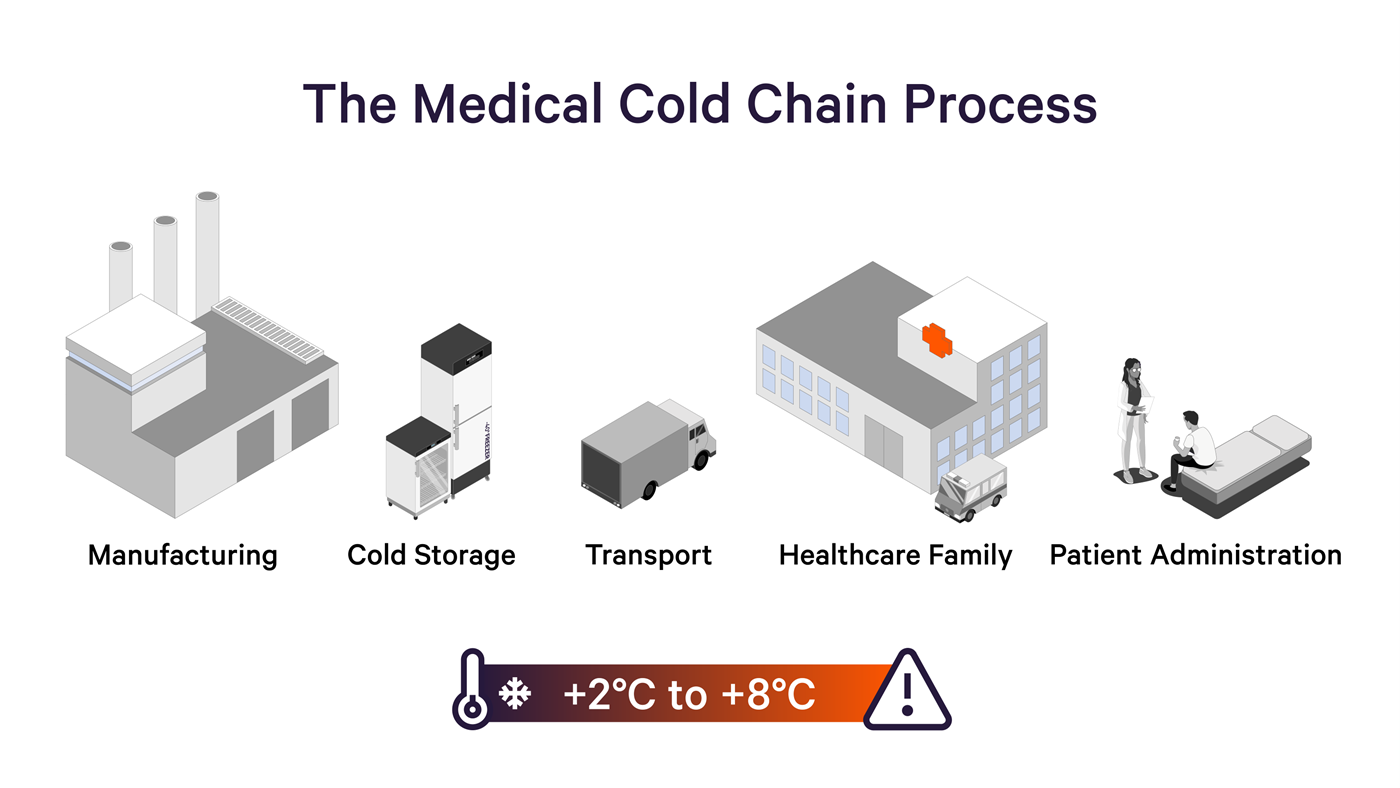
Gekühlte Impfstoffe: 2 °C bis 8 °C (36 °F bis 46 °F)
- Gefrorene Impfstoffe: −50 °C bis −15 °C (−58 °F bis +5 °F)
2. Überwachung und Compliance
Moderne medizinische Kühlschränke verfügen häufig über digitale Anzeigen, integrierte Alarme, Datenaufzeichnung und Funktionen zur Fernüberwachung. Diese Merkmale sind entscheidend für die Einhaltung von Standards wie USP <797>, das Anforderungen an die Umweltüberwachung und Lagerbedingungen für steriles Kommissionieren definiert.
3. Lagerkapazität: Die richtige Dimensionierung ist entscheidend
Von kompakten Tischgeräten bis hin zu großen Standgefrierschränken sollte die Kapazität auf Folgendes abgestimmt sein:
-
Lagervolumen
- Produkttypen (z. B. Blut, Impfstoffe, Reagenzien)
- Zugriffshäufigkeit
Eine Überbeladung beeinträchtigt den Luftstrom und die Temperaturstabilität, während eine Unterauslastung ineffizient und kostspielig sein kann.
4. Geräuschpegel: Ein oft übersehener Betriebsfaktor
In klinischen Bereichen wie Patientenzimmern oder Beratungsräumen ist ein geräuscharmer Betrieb unerlässlich. Die Kompressoren und Lüfter in medizinischen Geräten sind häufig leiser als gewerbliche Alternativen. Überprüfen Sie stets die vom Hersteller angegebene Dezibelzahl, wenn das Gerät in lärmsensiblen Umgebungen aufgestellt wird.
5. Sicherheit und kontrollierter Zugang
Medizinische Kühlschränke lagern häufig kontrollierte Arzneimittel, Impfstoffe und Prüfpräparate und erfordern daher einen gesicherten Zugang.
Achten Sie auf:
-
Abschließbare Türen (mechanisch oder elektronisch)
- Audit‑Trail‑Funktionen
- Integration in Zutrittskontrollsysteme
Die DEA schreibt vor, dass kontrollierte Substanzen in gesicherten, verschlossenen und robust konstruierten Aufbewahrungseinheiten gelagert werden müssen.
6. Luftzirkulation: Vermeidung von Wärmezonen
Im Gegensatz zu Haushaltsgeräten verwenden medizinische Kühlschränke eine Umluftkühlung, um im gesamten Innenraum eine gleichmäßige Temperatur zu gewährleisten. Dies verhindert „Wärmezonen“, die empfindliche Materialien beeinträchtigen können.
7. Regionale Anforderungen: Eine Lösung passt nicht für alle
Nordamerika & Europa
- Hohe regulatorische Anforderungen (CDC, USP, EMA)
- Präferenz für automatisierte Überwachung und cloudbasierte Systeme
- Fokus auf Energieeffizienz und Nachhaltigkeit
Asien & Pazifik Region
- Starkes Wachstum in Biotechnologie und klinischen Studien
- Bedarf an kompakten, modularen Geräten für urbane Krankenhäuser
- Zunehmende Einführung von IoT‑fähiger Überwachung
Lateinamerika & Afrika
- Netzstabilität und Umgebungstemperaturen sind zentrale Herausforderungen
- Bedarf an solarbetriebenen oder batteriebasierten Geräten
- Schwerpunkt auf kosteneffizienten, robusten Lösungen
8. Compliance und GDP: Eine strategische Investition
Die Good Distribution Practice (GDP)‑Richtlinien verlangen, dass pharmazeutische Lagerbereiche die angegebenen Temperaturbedingungen einhalten und dies durch qualifizierte Prozesse nachweisen. Dazu gehören:
- Temperatur‑Mapping
- Kontinuierliche Überwachung
- Kalibrierung
- Audit‑fähige Dokumentation
Fazit
Die Wahl eines medizinischen Kühl- oder Gefrierschranks ist nicht nur eine Beschaffungsentscheidung, sondern eine strategische Investition in Produktintegrität, Patientensicherheit und regulatorische Compliance. Wenn Sie Ihre Anforderungen in den Bereichen Temperaturkontrolle, Überwachung, Kapazität, Geräuschentwicklung, Sicherheit und Luftzirkulation sowie Ihre regionalen Rahmenbedingungen berücksichtigen, können Sie eine fundierte und zukunftssichere Entscheidung treffen.
Entdecken Sie unser Sortiment an konformen, energieeffizienten medizinischen Kühllösungen, um die optimale Ausstattung für die Anforderungen Ihrer Einrichtung zu finden.
Hier schreibt: Connie Vigil
Connie Vigil ist Product Manager bei Swisslog Healthcare. Sie leitet das JVM‑ und Kühlkettenportfolio und verantwortet die globalen Lösungen im Bereich der Kühlkette , während sie die JVM‑Initiativen regional betreut. Sie arbeitet in den USA und verfügt über mehr als zehn Jahren Erfahrung als zertifizierte Apothekentechnikerin im Einzelhandel und im Akutbereich. Dieses praxisnahe Verständnis der Abläufe im Gesundheitswesen fließt in jede ihrer Produktentscheidungen ein.
Mehr über Connie Vigil