Tenutō- Designed for Continuity in Biomedical Refrigeration
Stability in Everyday Operation
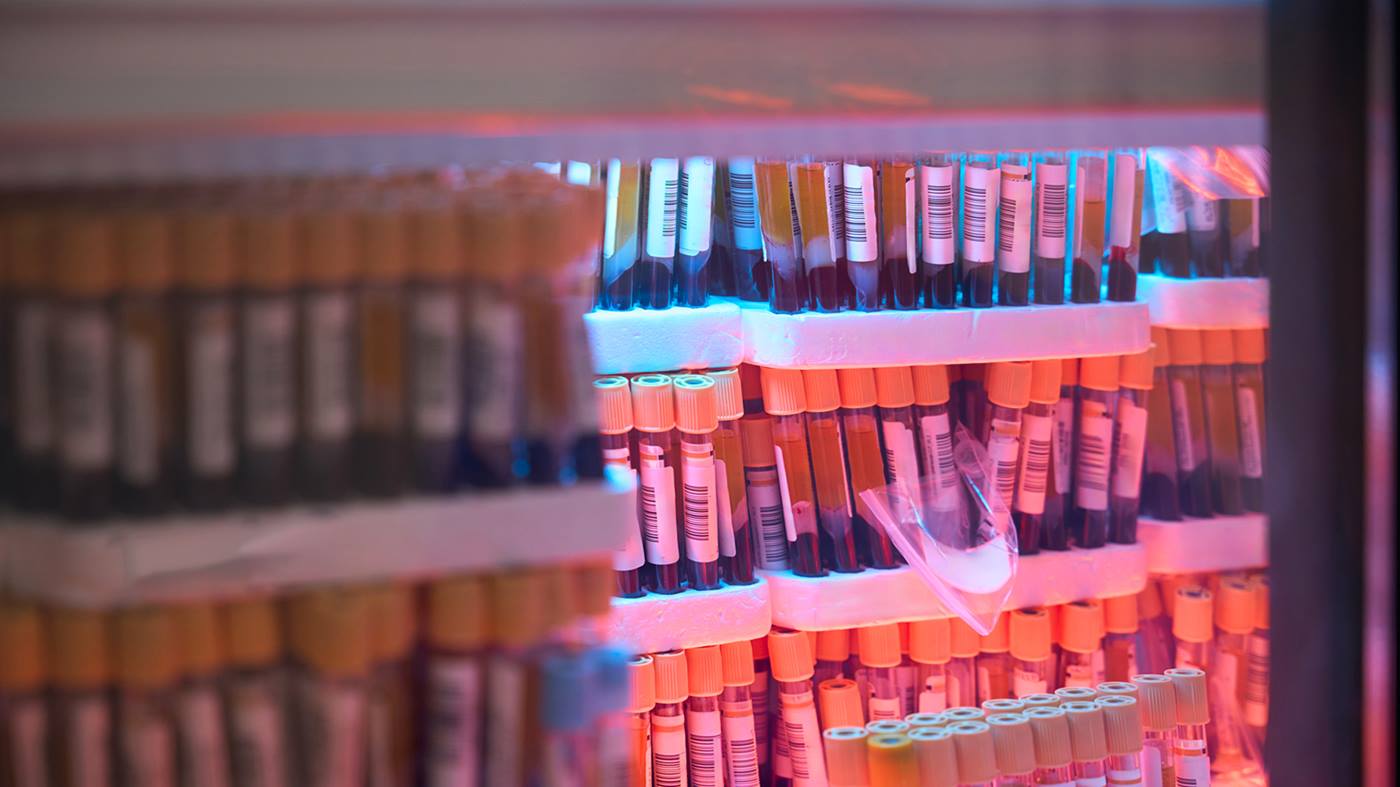
The benefits of Dual Guard are not limited to unexpected events. Biomedical refrigeration systems operate under continuous demand, with frequent door openings, changing loads, and variations in ambient conditions. By distributing the cooling load across two independent systems, Dual Guard supports more stable internal conditions and improved recovery during routine operation.
Where Additional Resilience Matters
The importance of system resilience becomes more pronounced in higher-demand environments.
- Ultra-low temperature storage (–86°C), where temperature control requirements are more demanding
- Hospital pharmacies with frequent access and heavy daily use
- Laboratories managing high-value or irreplaceable samples
In these environments, systems with additional resilience are often considered where the operational and financial impact of temperature deviation is significantly higher.
A Targeted Approach to System Design
Not all applications require the same level of system redundancy. For many standard use cases, single-system designs remain a practical and cost-effective solution. Dual-system configurations, such as Dual Guard, are typically used in environments where continuity, risk mitigation, and performance stability are critical considerations. This allows healthcare providers and laboratories to align system design with operational requirements rather than adopting a single standard approach.
The Tenutō Approach
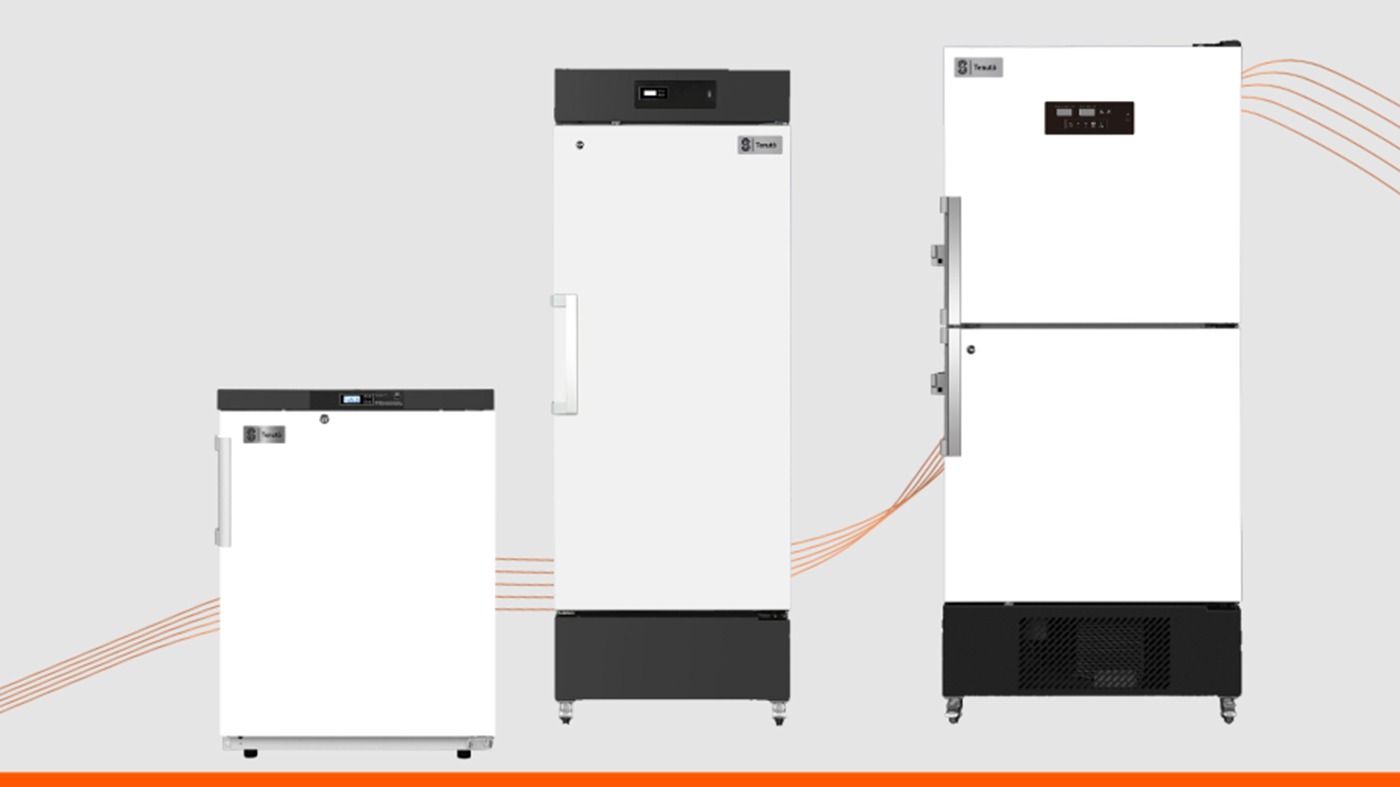
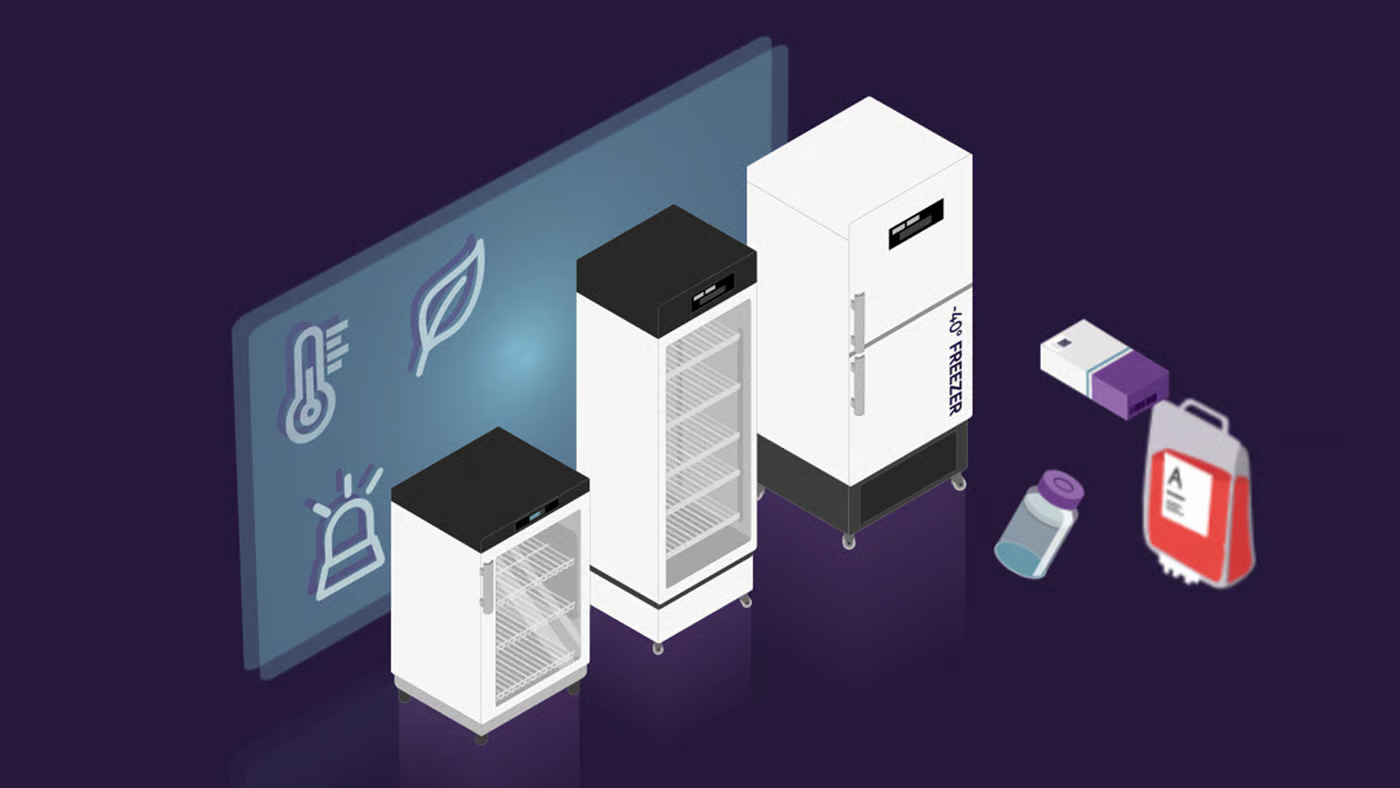
The Tenutō portfolio is designed to support a range of clinical environments, with configurations aligned to different operational needs. In selected models, the Dual Guard cooling system provides an added level of resilience through two independent compressor systems within a single unit. This design supports continuity of operation during both routine use and unexpected system disruption. Across applications, the focus remains on maintaining stable conditions where they matter most.
Designed for Continuity
In biomedical refrigeration, performance is defined not only by how a system operates under ideal conditions, but by how it performs when those conditions are less predictable. Design approaches such as Dual Guard reflect a focus on continuity, helping clinical environments maintain stable conditions when operating conditions are most challenging.
Different Designs for Different Requirements
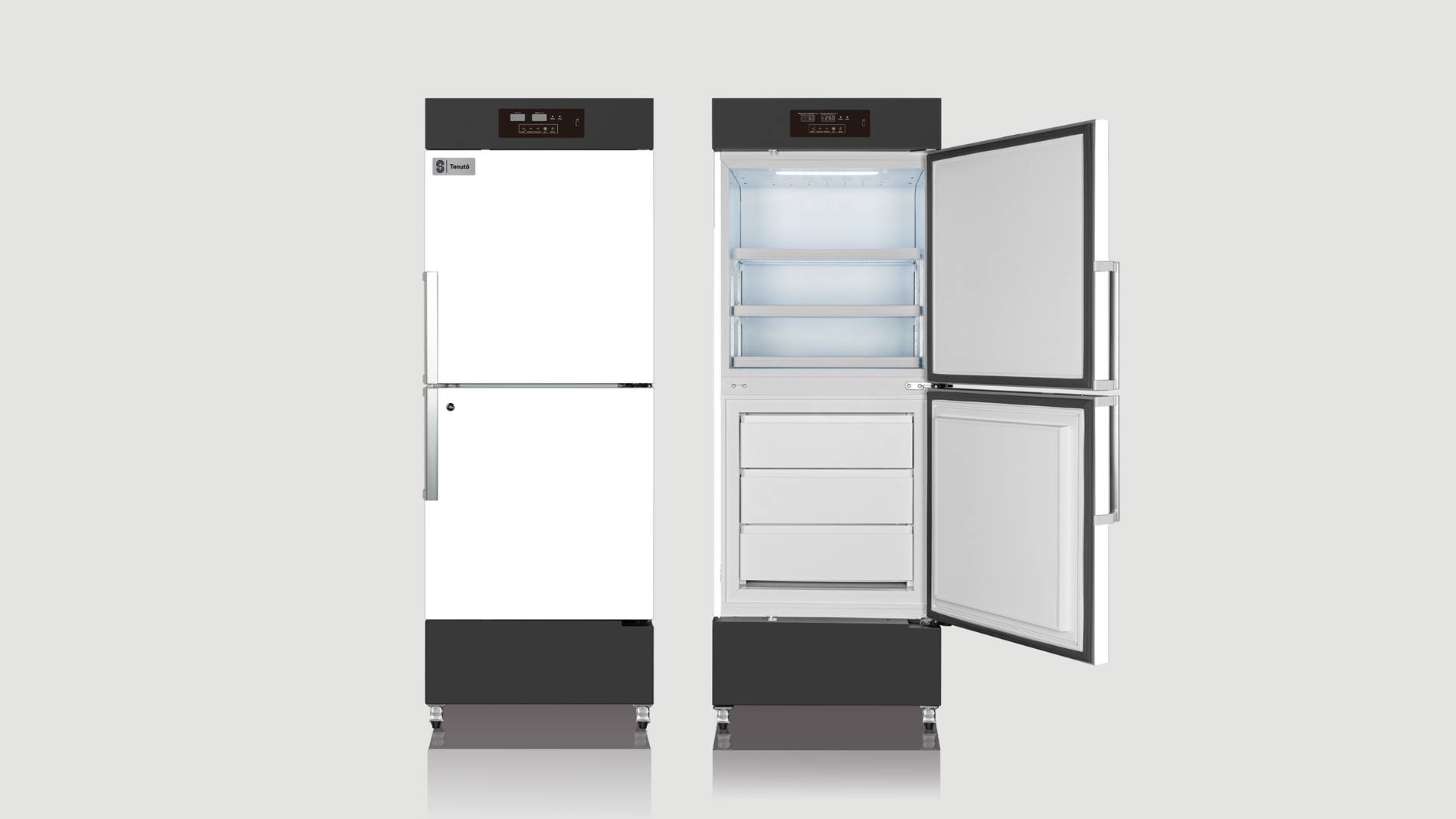
Biomedical refrigerators and freezers are designed to support a wide range of applications, from routine storage to high-demand environments. Many systems rely on a single refrigeration circuit to maintain the required temperature range. For standard applications, this approach is both effective and appropriate. However, in environments where the impact of temperature deviation is significantly higher, system design may incorporate additional layers of resilience to support continuity of operation.
Introducing the Dual Guard Cooling System
Selected Tenutō models are equipped with the Dual Guard cooling system, which incorporates two independent compressor systems within a single unit. Each cooling circuit is capable of supporting temperature control independently. In the event of reduced performance or interruption in one system, the second continues to operate, helping to maintain stable internal conditions while service or intervention is arranged. This design reduces reliance on a single cooling circuit and provides an additional layer of protection in critical applications.
Designed to Support Continuity
System interruptions do not always occur as complete failures. More often, they present as reduced cooling efficiency, uneven temperature distribution, or slower recovery following door openings. In a Dual Guard configuration, the presence of two independent compressor systems helps maintain stable conditions even when one system is affected. This provides additional time for intervention without immediate loss of temperature control. For healthcare providers and laboratories, this translates into reduced risk of disruption and greater operational continuity.