Temperature Stability in Biomedical Storage with vaccine refrigerators: Why Consistency Defines Performance
How Often Temperature Deviations Occur
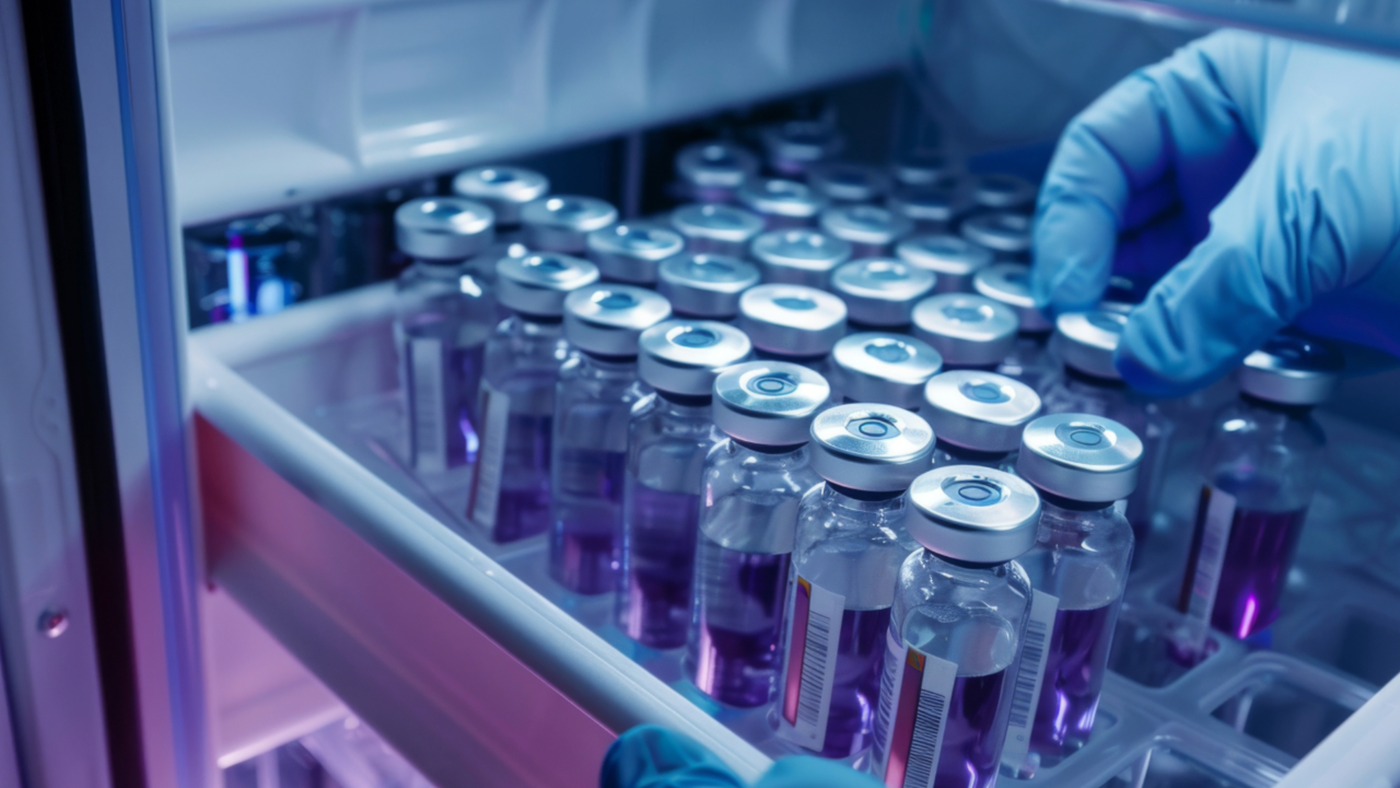
Temperature control failures in vaccine refrigerators, laboratory freezers, and vaccine storage units are more widespread than often assumed. The pharmaceutical industry is estimated to lose billions of dollars annually due to temperature-related failures¹. In some supply chains, studies suggest that a significant proportion of vaccines are exposed to temperatures outside recommended ranges during storage and handling². Research also indicates that vaccines may be exposed to out-of-range temperatures for a substantial portion of storage time³. These findings highlight a persistent gap between required storage conditions, cold chain management and real-world performance.
Why “Correct Temperature” Is Not Enough for a Vaccine Fridge
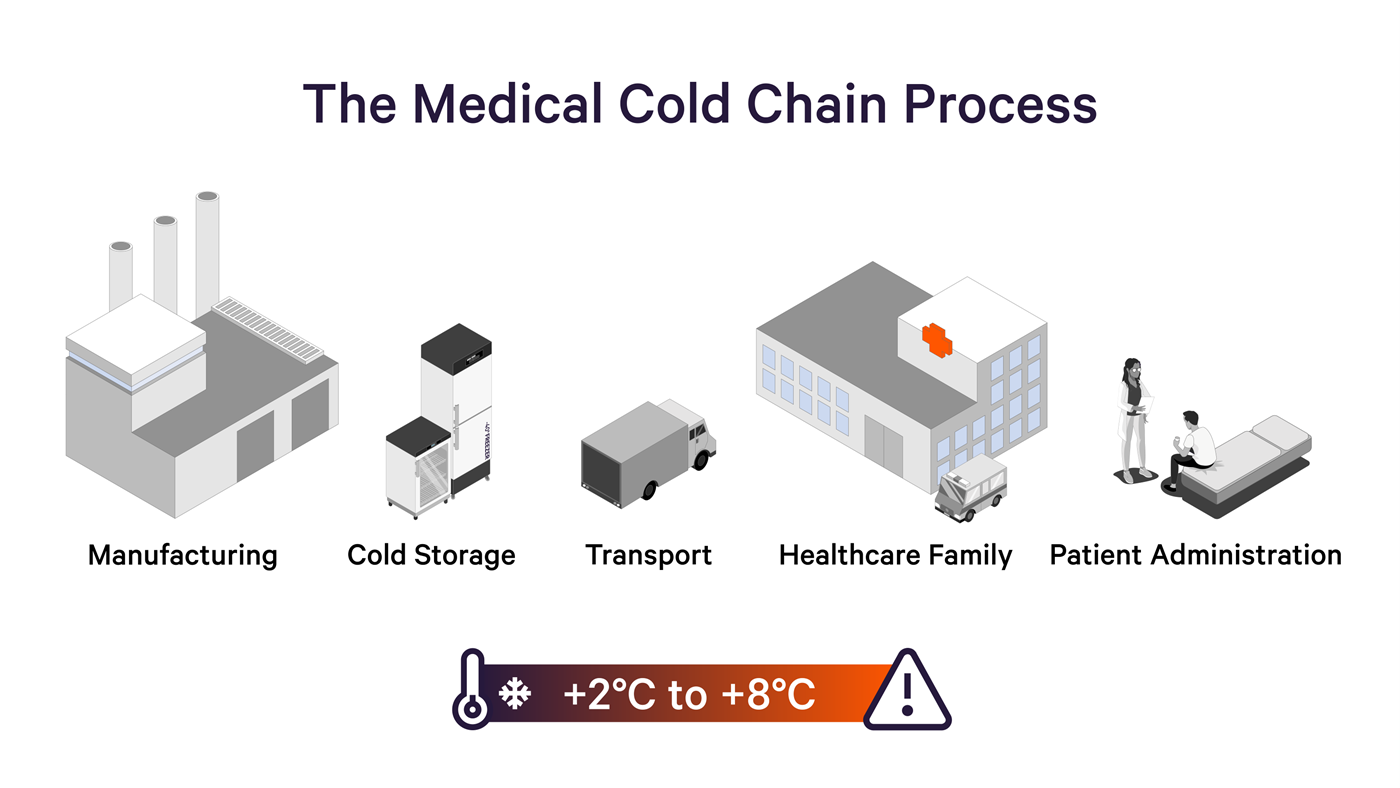
Most temperature-sensitive medical products are defined by strict storage ranges, such as 2°C to 8°C for vaccines and pharmaceuticals, or –86°C for ultra-low temperature applications. However, meeting a setpoint alone does not ensure safe storage. In practice, internal conditions fluctuate continuously due to routine factors such as door openings, loading patterns, and ambient temperature changes. These variations can create temperature differences within the storage space, even when the displayed setpoint remains unchanged. For sensitive materials, even small and short-lived deviations can affect stability and efficacy. Performance is therefore defined not by the ability to reach a target temperature, but by how consistently that temperature is maintained across the entire storage space and over time. This is where differences between systems become most apparent in real-world use.
Why Standard Refrigeration Falls Short in Healthcare
General-purpose refrigeration is not designed for medical applications. While such units may meet nominal temperature ranges, they often struggle to maintain uniform conditions across the storage space. Temperature gradients, slower recovery times, and limited control systems increase the risk of unnoticed deviations. Biomedical refrigerators and laboratory freezers are engineered to manage these variables through controlled airflow, calibrated sensors, and responsive control systems. Studies indicate that non-specialised equipment is more likely to expose stored products to unsafe temperatures³.
Monitoring, Traceability, and Operational Control
Maintaining stable conditions requires continuous visibility. Monitoring systems, automated alerts, and data logging enable early detection of deviations and support compliance with regulatory requirements. Without these capabilities, temperature excursions may go unnoticed for extended periods. Research shows that many deviations are not detected through routine manual checks alone³. Biomedical storage systems are therefore expected to function as monitored systems rather than passive units.
Ultra-Low Temperature Storage:
Tighter Margins, Higher Risk Ultra-low temperature freezers operate under significantly more demanding conditions. At –86°C, even minor fluctuations can impact the viability of high-value samples, including biologics and cell therapies. Recovery performance following door openings and the ability to maintain stable conditions over time are critical. In these environments, system design plays a direct role in performance. Airflow management, compressor reliability, and insulation efficiency all contribute to maintaining stable conditions during continuous operation.
Consistency as a Risk Management Strategy
Reliable biomedical storage underpins:
- Patient safety
- Regulatory compliance
- Operational efficiency
Large volumes of pharmaceutical products depend on controlled temperature storage⁶. Variability in storage performance introduces both financial and clinical risk.
In this context, consistency is not a preference. It is a risk control measure, particularly in environments handling high-value or high-sensitivity materials.
The Tenutō Perspective
With Tenutō, consistency is engineered into the design of every biomedical refrigerator and freezer.
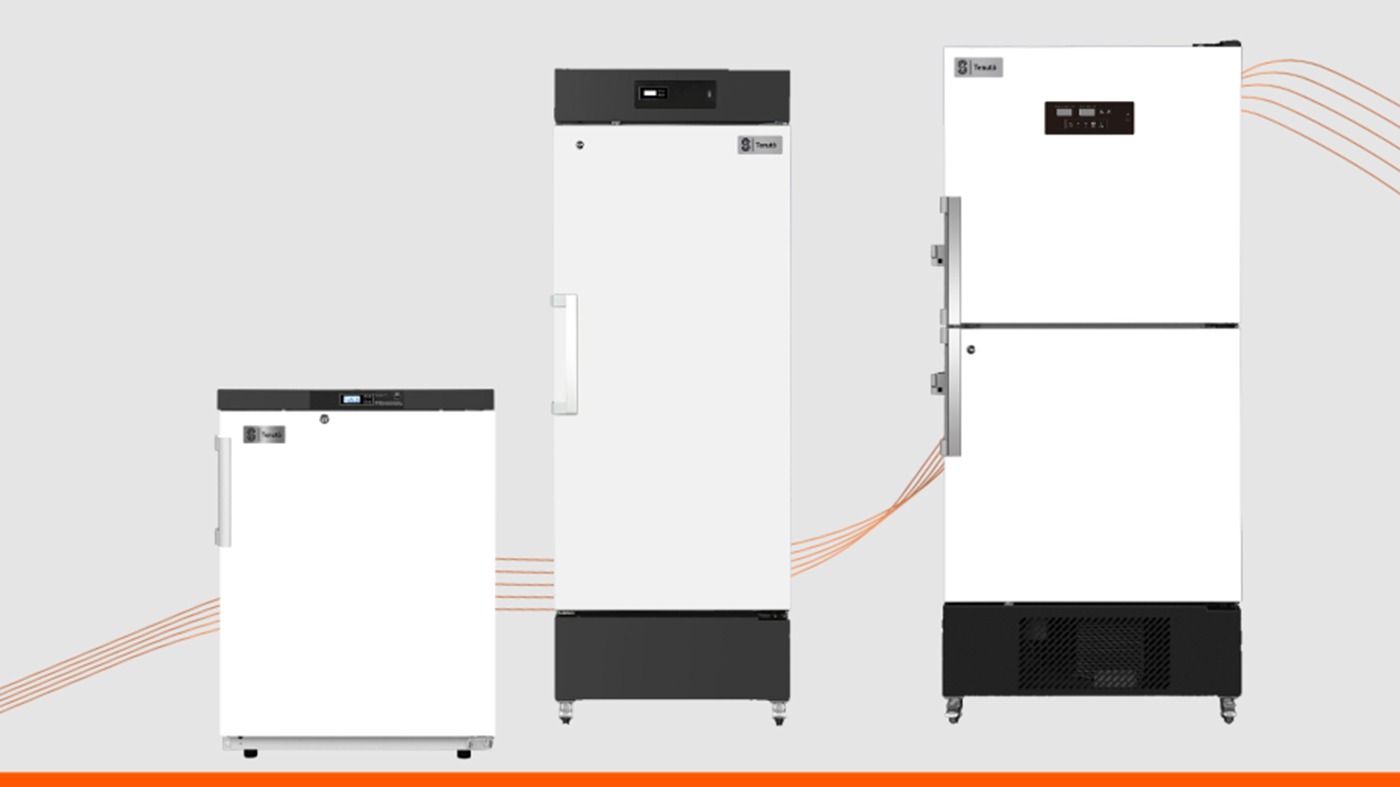
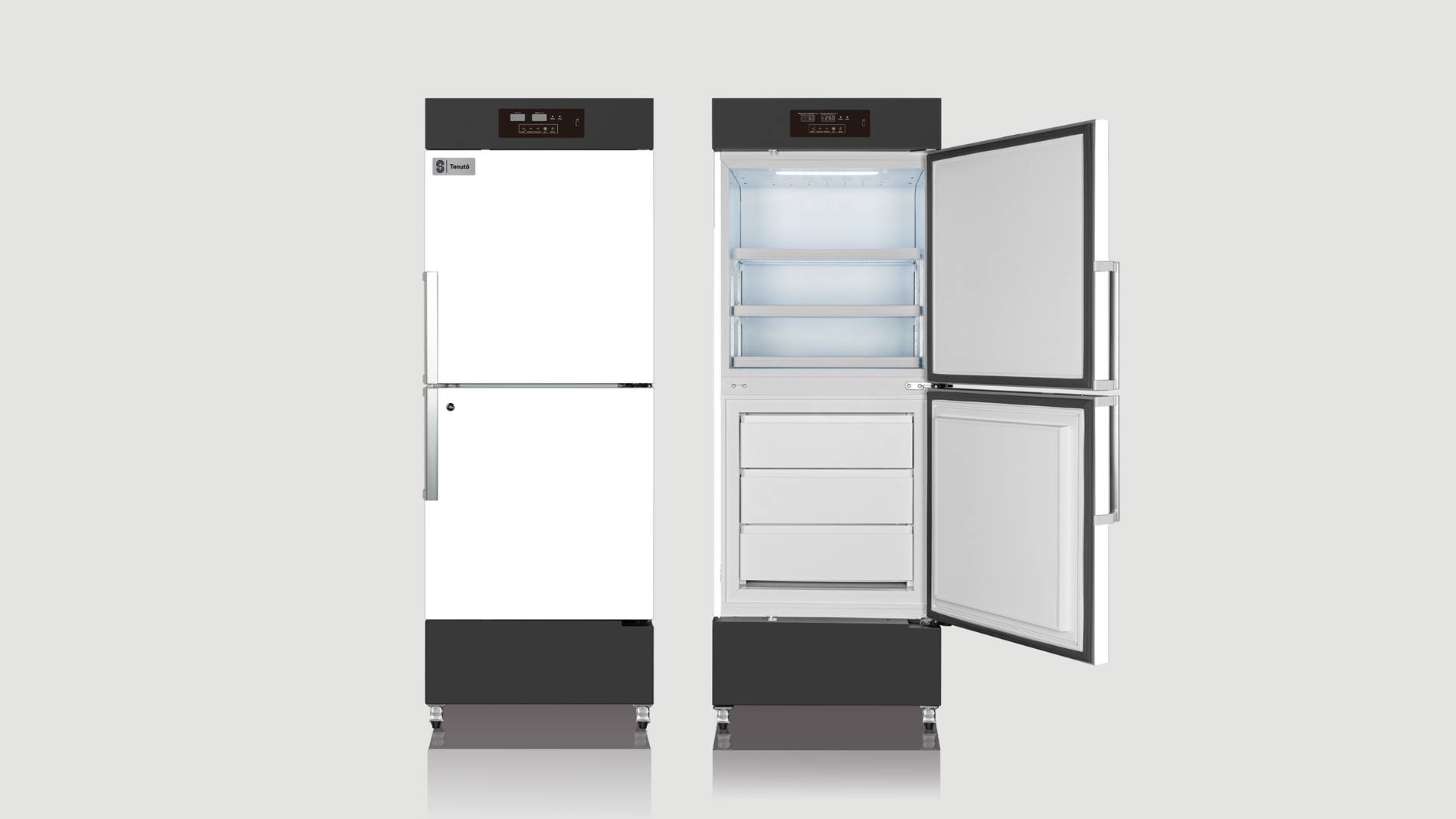
The Tenutō portfolio, including Tenutō Cool, Tenutō Freeze, Tenutō Combo, and Tenutō Ultra, is designed to maintain stable conditions across the storage space, with controlled airflow and responsive temperature management that support uniform performance during routine use. Integrated monitoring and alarm systems provide continuous visibility, enabling timely response to deviations. For ultra-low temperature applications, Tenutō systems are designed to maintain stable –86°C environments with reliable recovery performance and energy-efficient operation.
Performance is not defined by a single measurement point, but by how a system performs over time. Stable storage conditions support the efficacy of medications, the integrity of research, and the reliability of healthcare delivery. Where outcomes depend on precision, consistency becomes a requirement rather than a preference.