

Select your location:

Location

An Easy Hospital Cyberattack Target? Outdated Systems and Software


Alex Ruggles
24 August 2026
Reading Time: 5 min.
Anyone who has watched the HBO series “The Pitt” will have seen the episodes relating to a sudden ransomware attack at a nearby hospital. Because of this, The Pitt emergency room administrators proactively shutdown their IT systems and instantly reverted to using paper and whiteboards to track patient care. The lack of computer-driven information almost brought all operations to a standstill.  It can be assumed, The Pitt, a cash-strapped, older hospital in an underserved community, was not regularly updating and upgrading its systems and software.  
Blog Cybersecurity

They’re not alone. In the U.S., approximately 96% of hospitals are continuing to use end-of-life operating systems and software, making them easy targets for attackers because their points of entry are well established. 

What makes aging hospital systems especially vulnerable to cyberattacks?

  • Outdated encryption protocols leave sensitive data easier to intercept or exploit. 
  • Lack of available updates means known vulnerabilities remain unpatched and exposed. 
  • Expired software maintenance agreements eliminate critical support, security patches, and ongoing protections.


Upgrading hospital hardware components without upgrading the software increases risk.

New devices and medical system components require updated software to perform efficiently. Too often, the crucial software component is overlooked. This makes the expensive new systems more susceptible to attacks, as cybercriminals can exploit well-known vulnerabilities. 

The software supporting older technologies, including obsolete medical devices, can effectively serve as unprotected entry points for ransomware and data breaches. This not only threatens patient safety but also compromises sensitive information and disrupts critical healthcare operations.

Woman using touch screen

Below are some of the ways in which a hospital can be severely impacted by a cyberattack: 

  • Disruptions to Emergency Services: If staff can’t retrieve patient records, emergency departments may be forced to send incoming patients to other facilities. 
  • Compromised Medical Equipment: Network-connected devices such as ventilators and infusion pumps can be tampered with, potentially compromising their functionality. 
  • Interrupted Care and Procedures: Locked or inaccessible systems prevent clinicians from viewing medical histories or imaging, leading to delays in treatment and surgery.
  • Stolen Data and Extortion Risks: Cybercriminals may access and exfiltrate sensitive patient information, then use it to demand payment or threaten public exposure, resulting in legal and reputational consequences. 
  • Financial Losses and Downtime: When systems go offline, hospitals can’t operate normally, leading to major revenue loss, which can cost up to thousands of dollars per minute. 


Upgraded hardware requires updated software to reduce the risk of a cyberattack.

Recognizing the critical importance of system upgrades, all of Swisslog Healthcare hospital technologies include software management agreements (SMAs) that meet the highest operational standards and industry best practices.

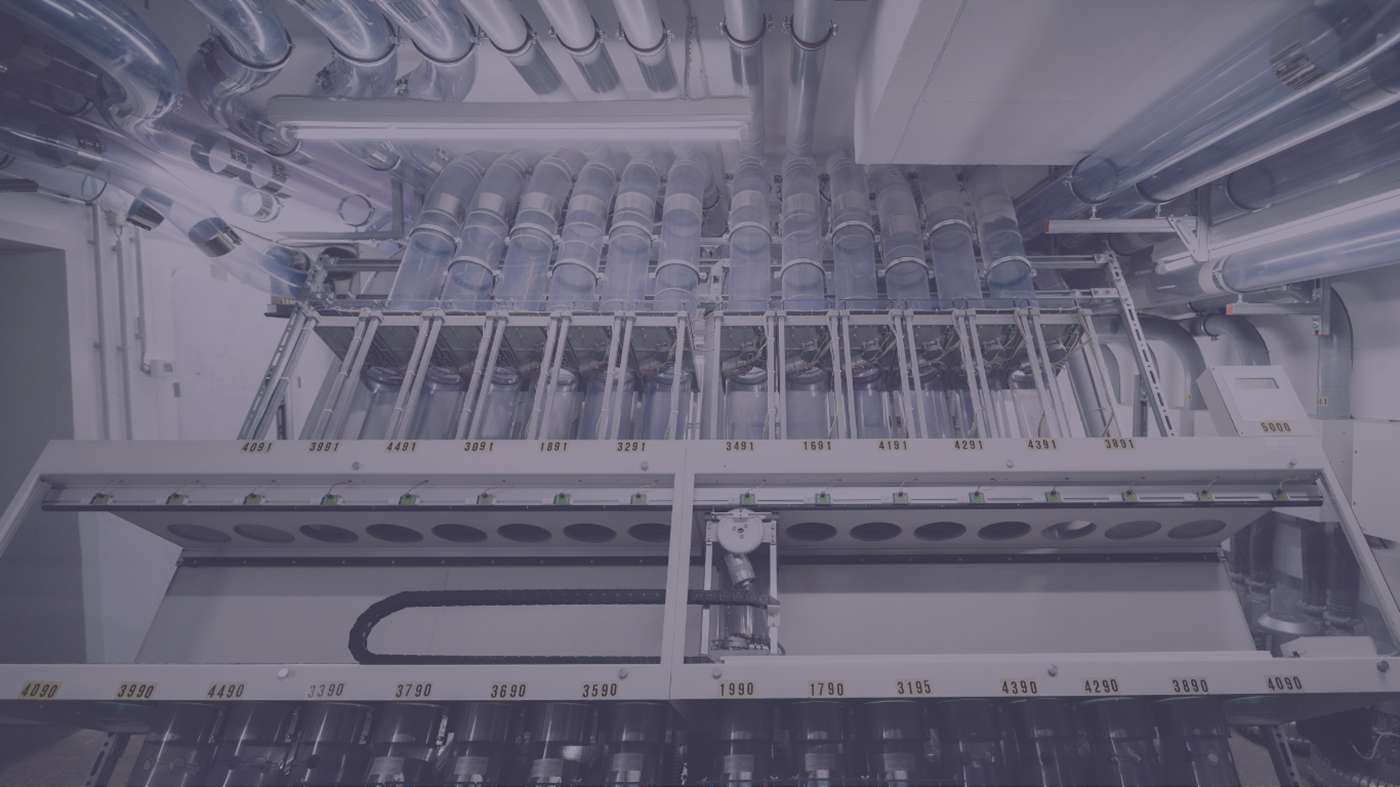
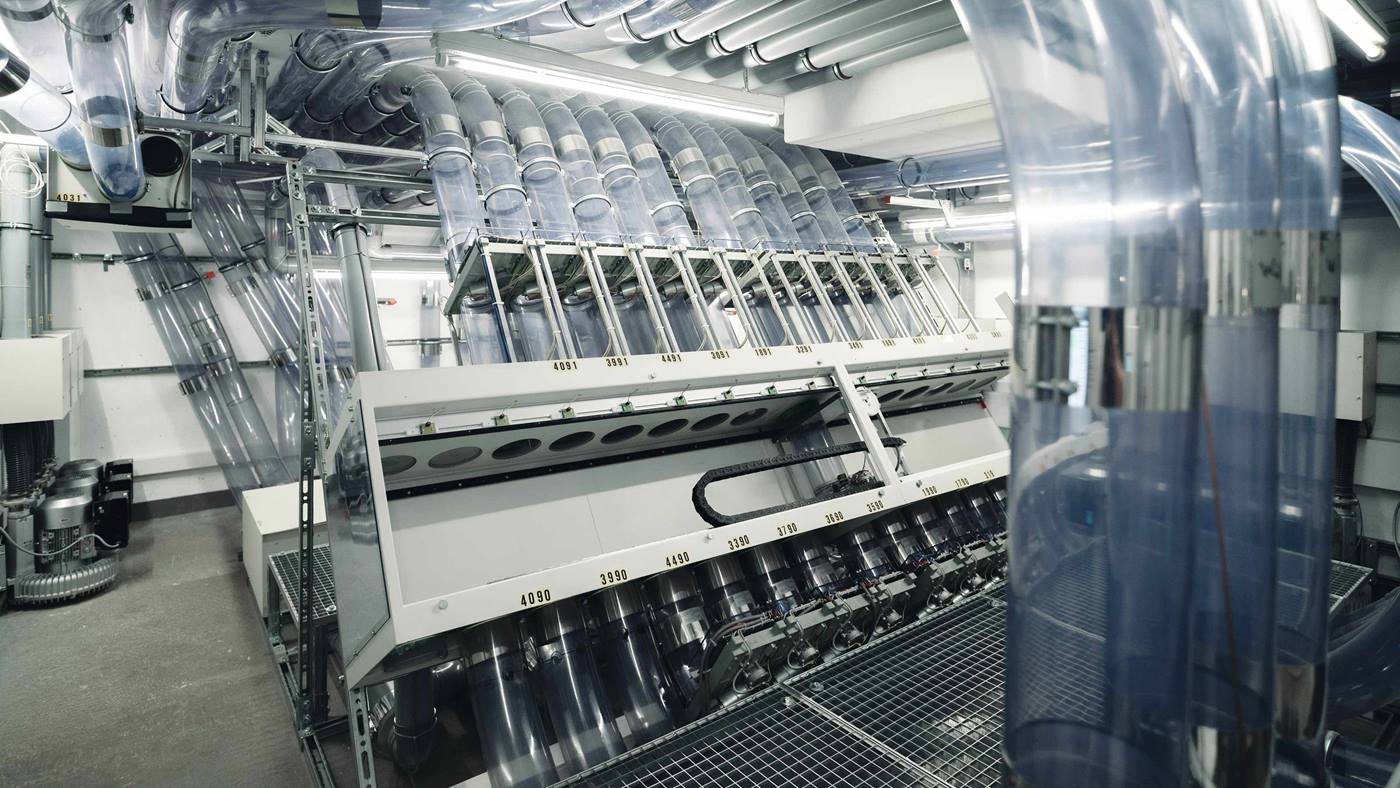
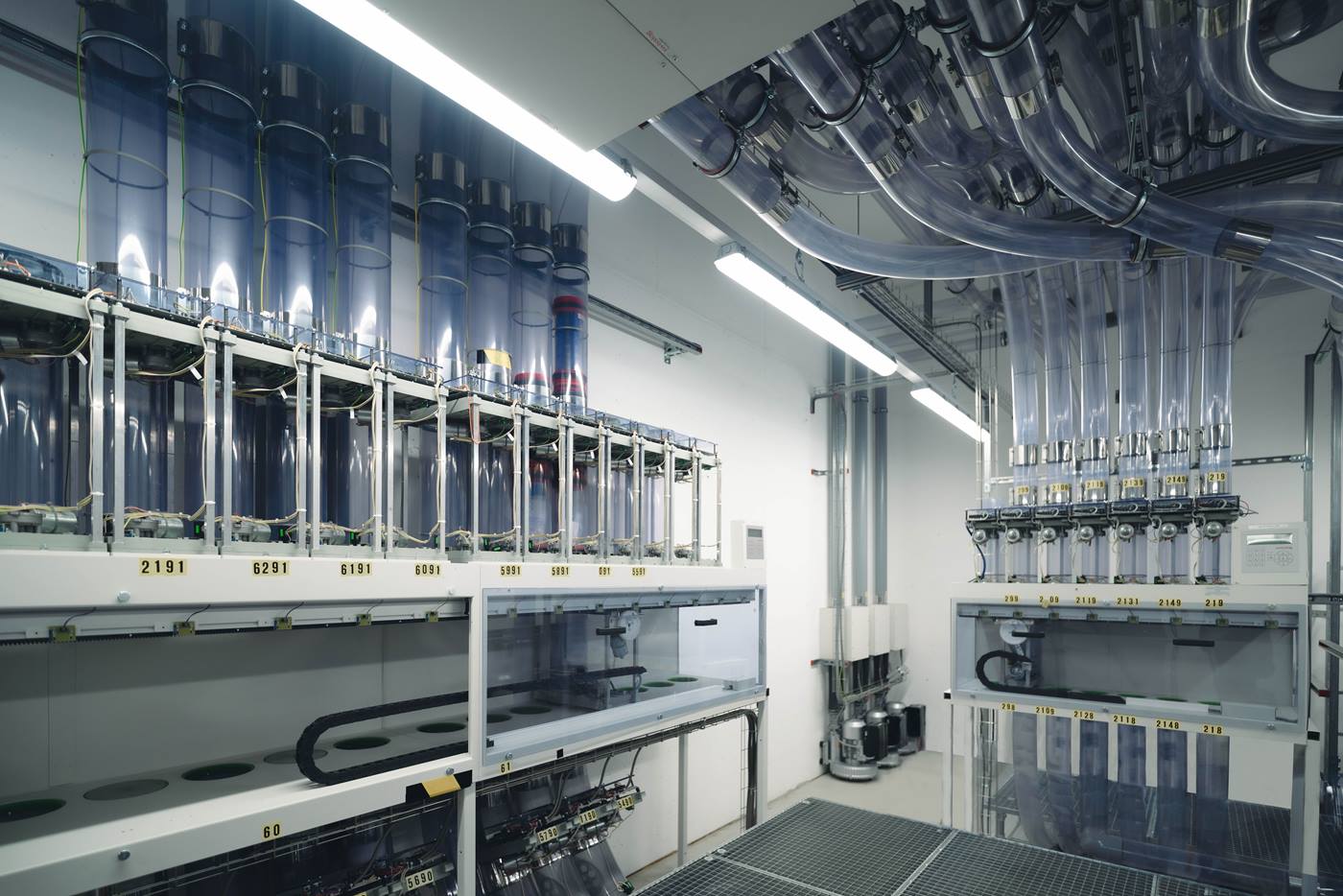
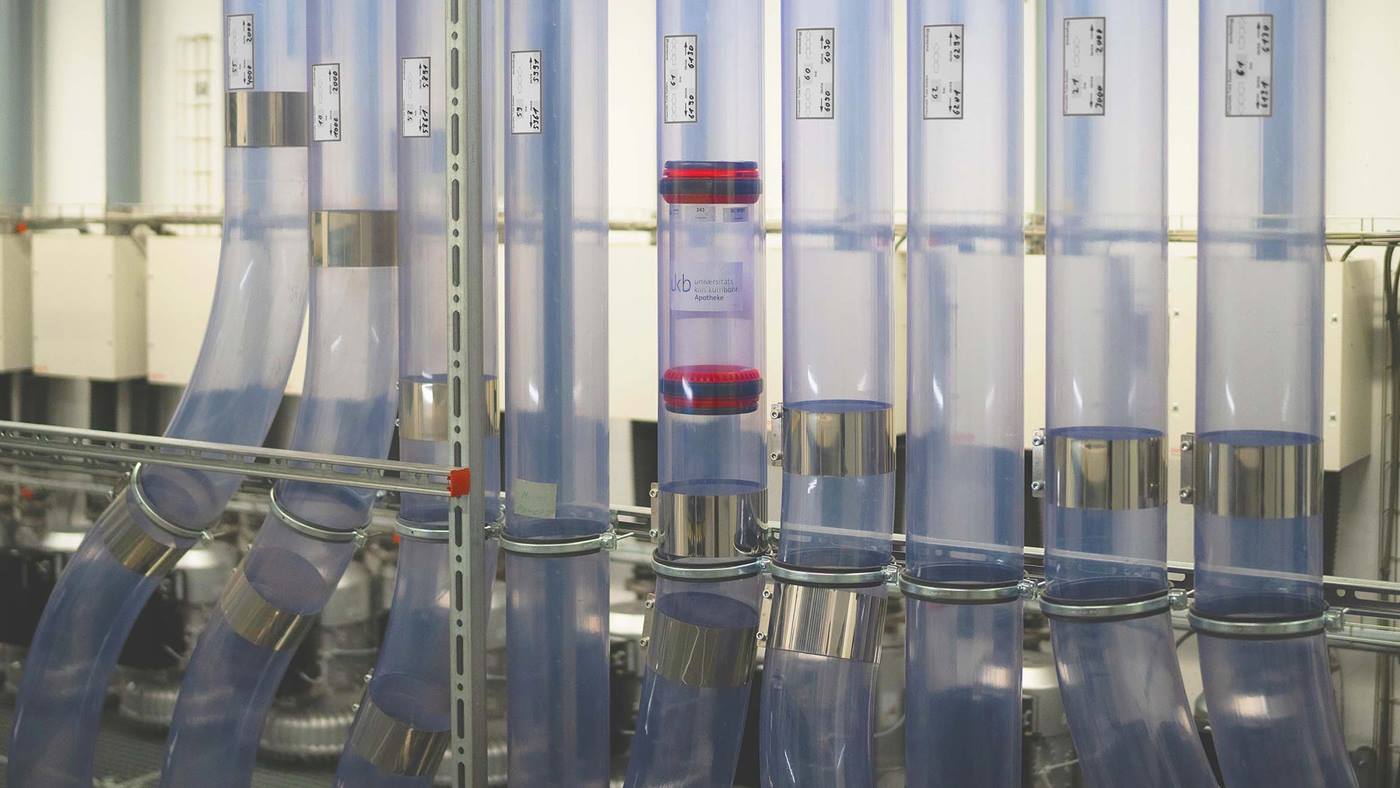
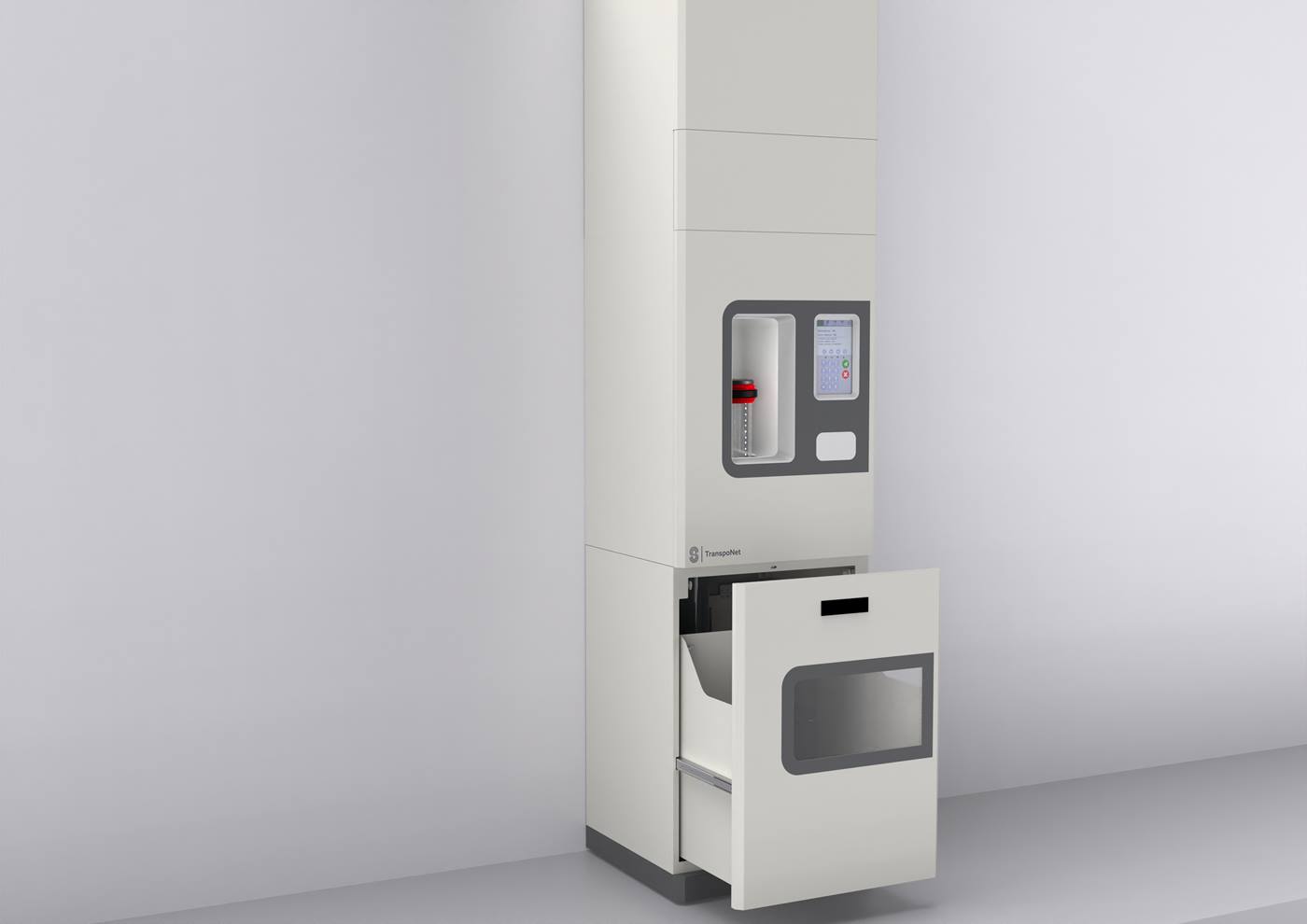
IT specialists and cybersecurity experts consistently emphasize that when equipment or systems, such as pneumatic tube systems, are upgraded, the supporting software must be updated as well. Failing to do so can leave critical vulnerabilities unaddressed and substantially increase the likelihood of a serious system breach.

Facilities managers, IT teams, and all personnel responsible for system maintenance should regularly verify with their suppliers that they are running the most current software versions. Maintaining up-to-date systems is essential not only for protecting hospital operations but also for ensuring continuity of care and optimal patient outcomes.

About the author Alex Ruggles
Alex Ruggles
Network Security Engineer

More about Alex Ruggles
Search more tags
IntralogisticsHospital PharmacyUnit DoseEmployee ExperiencePurple JourneyOpen PharmacyServiceHospital PlanningPneumatic Tube SystemPatient SafetyPurple CultureDigitizationPoint of CareInterviewNew WorkModernizationPharmacists InsightsCold chain managementInnovationsFuture PharmaciesApplication TipsTransport AutomationClosed Loop Medication ManagementPharmacy AutomationHR