Select your location:

Location

Revolutionize Hospital Blood Logistics with Pneumatic Tube Systems for medical transportation


Olle Bulder
30 March 2026
Reading Time: 7 min.
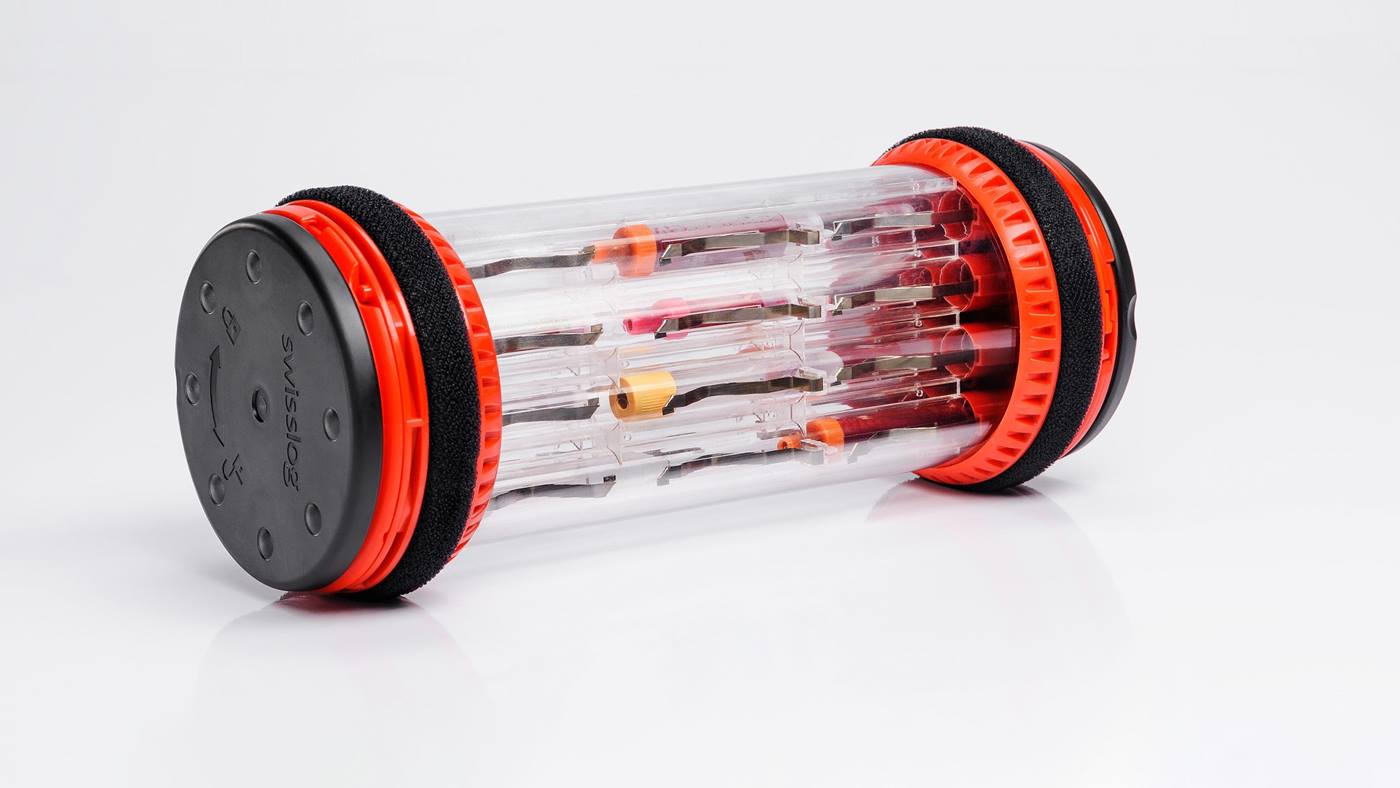
TranspoNet load carrier

In many hospitals, moving blood products between departments still depends on people walking, waiting, phoning, or staff availability for transport, rather than consistent transportation services within the facility. Delays, uncertainty, and unnecessary returns are common outcomes of a process that was never designed for today’s pressure on acute care. Temperature control and speed matter in the transportation of blood. Automating in‑hospital medical transportation changes that reality when powered by pneumatic tube systems.

Across Europe, a shift is taking place. Hospitals are modernizing one of the most delicate workflows in healthcare: transport of blood inside the hospital. And automation between the lab and the nurses’ station is responsible for this change, improving services and clinical coordination. From manual transport to controlled, reliable automated flow with a pneumatic tube system, this shift improves efficiency while keeping clinical controls consistent from the blood bank to the point of transfusion.

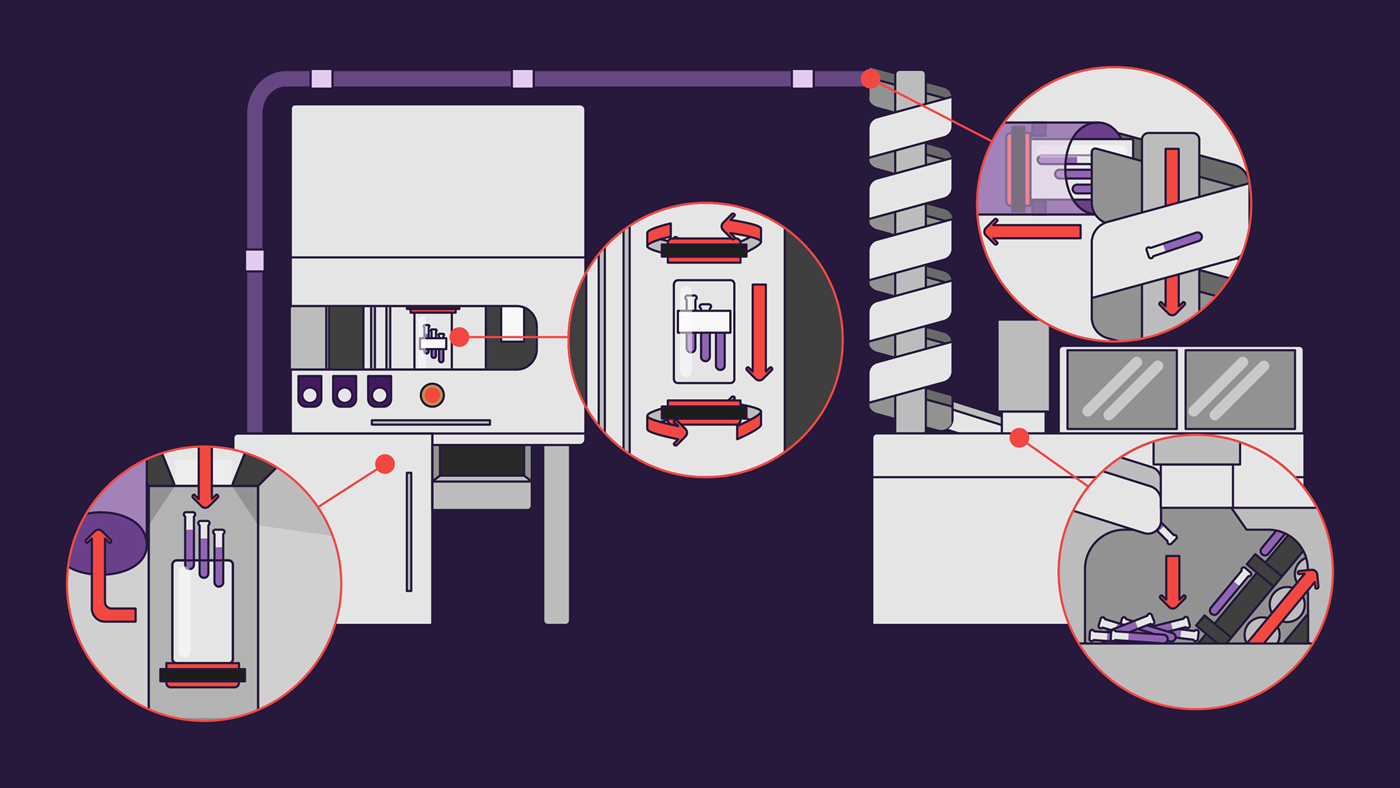
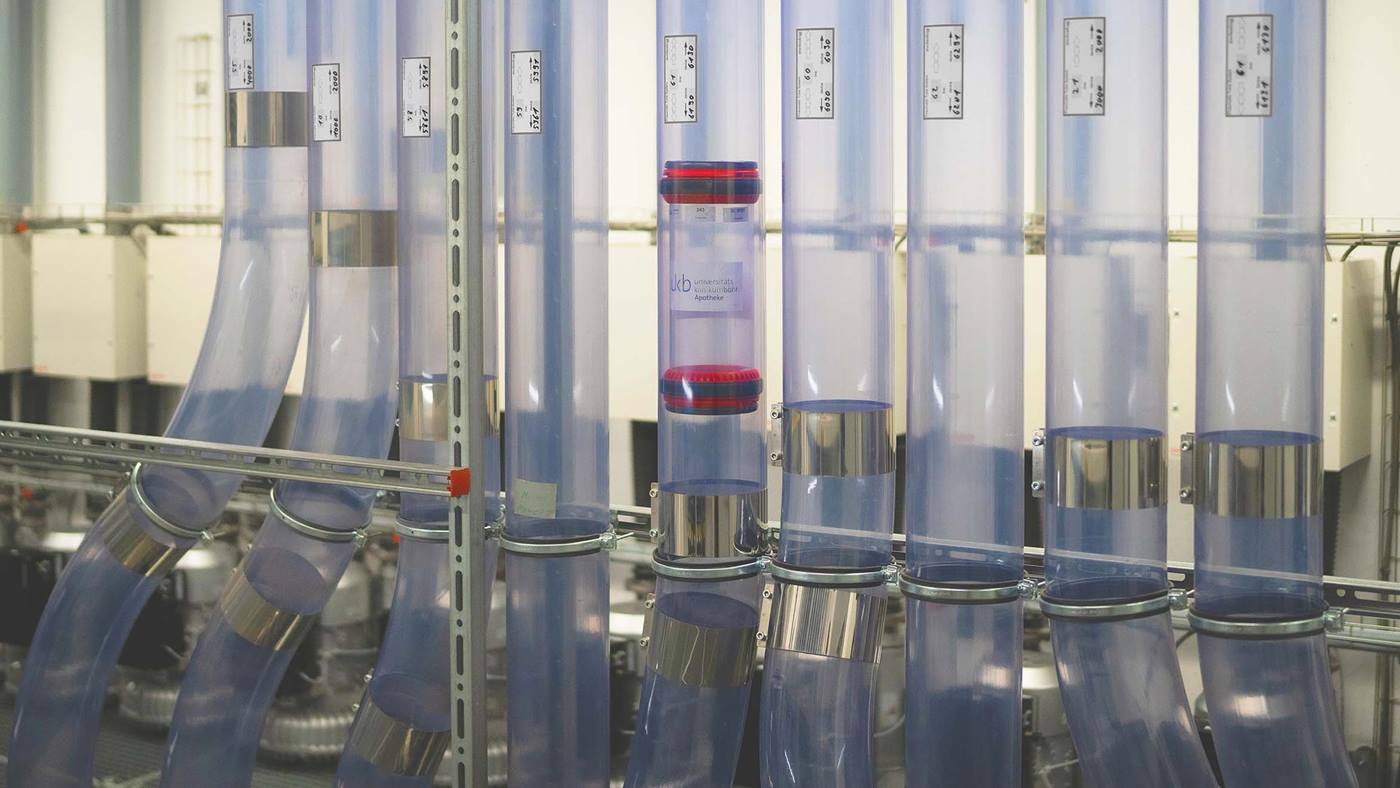
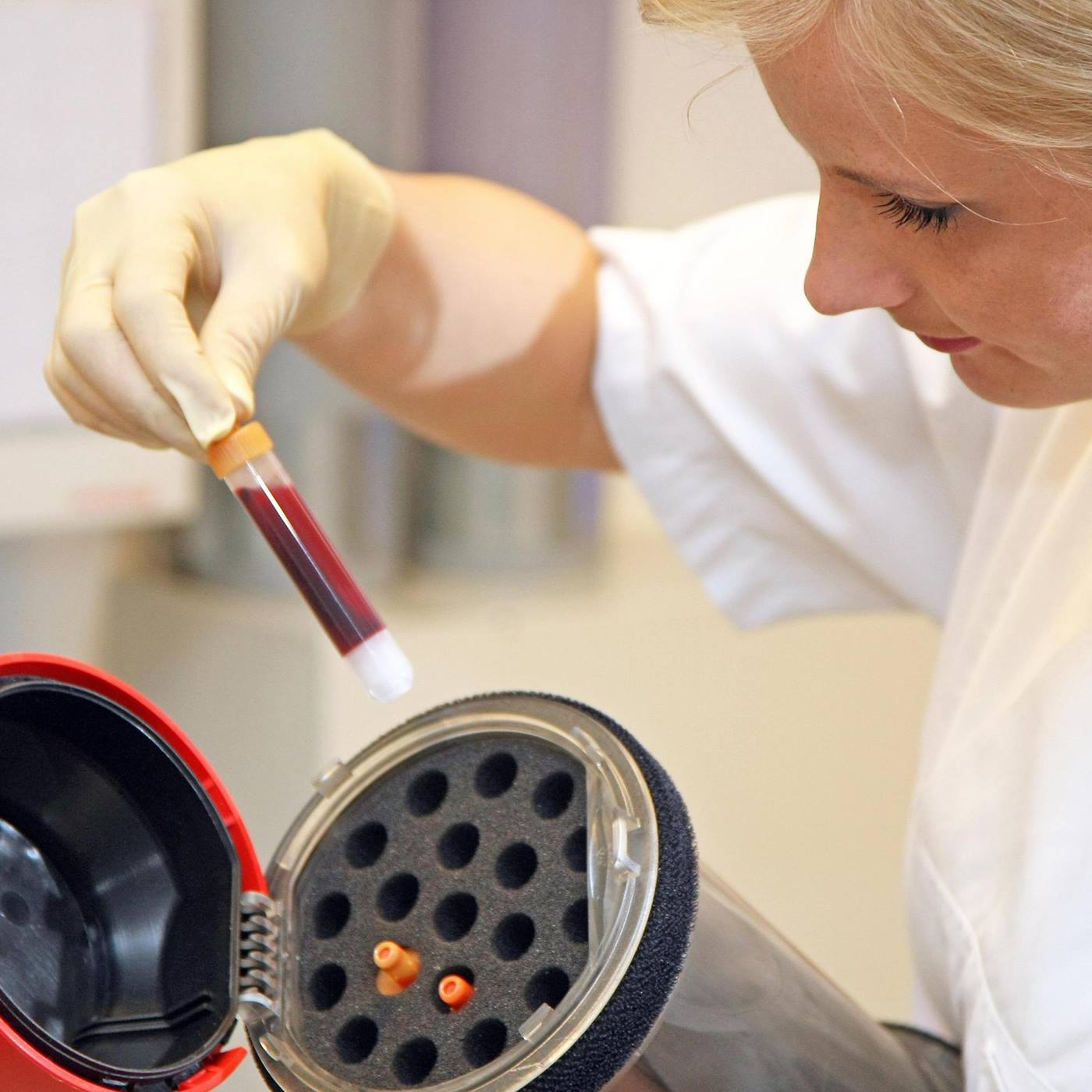
In a leading academic hospital in The Netherlands, a well-established model is being replicated. Instead of relying on transport teams or nursing staff to physically collect blood products, an automated pneumatic tube system improves efficiency and patient care across the facility. The transfusion lab receives a clear, complete request, which contains patient identification, clinical contact person, department code, and appointment timing (when applicable). After the blood product is matched and approved in the lab, it is recorded by the blood bank, then the team places it in a secure tube designed for biological materials, with validated temperature and movement protection. Each tube is digitally linked to a patient, a department, and the blood bank record, ensuring full traceability and temperature management throughout the speedy journey. The pneumatic tube system also logs dispatch and arrival times, supporting laboratory oversight, and clear contact points for each department.

Secure access at the destination

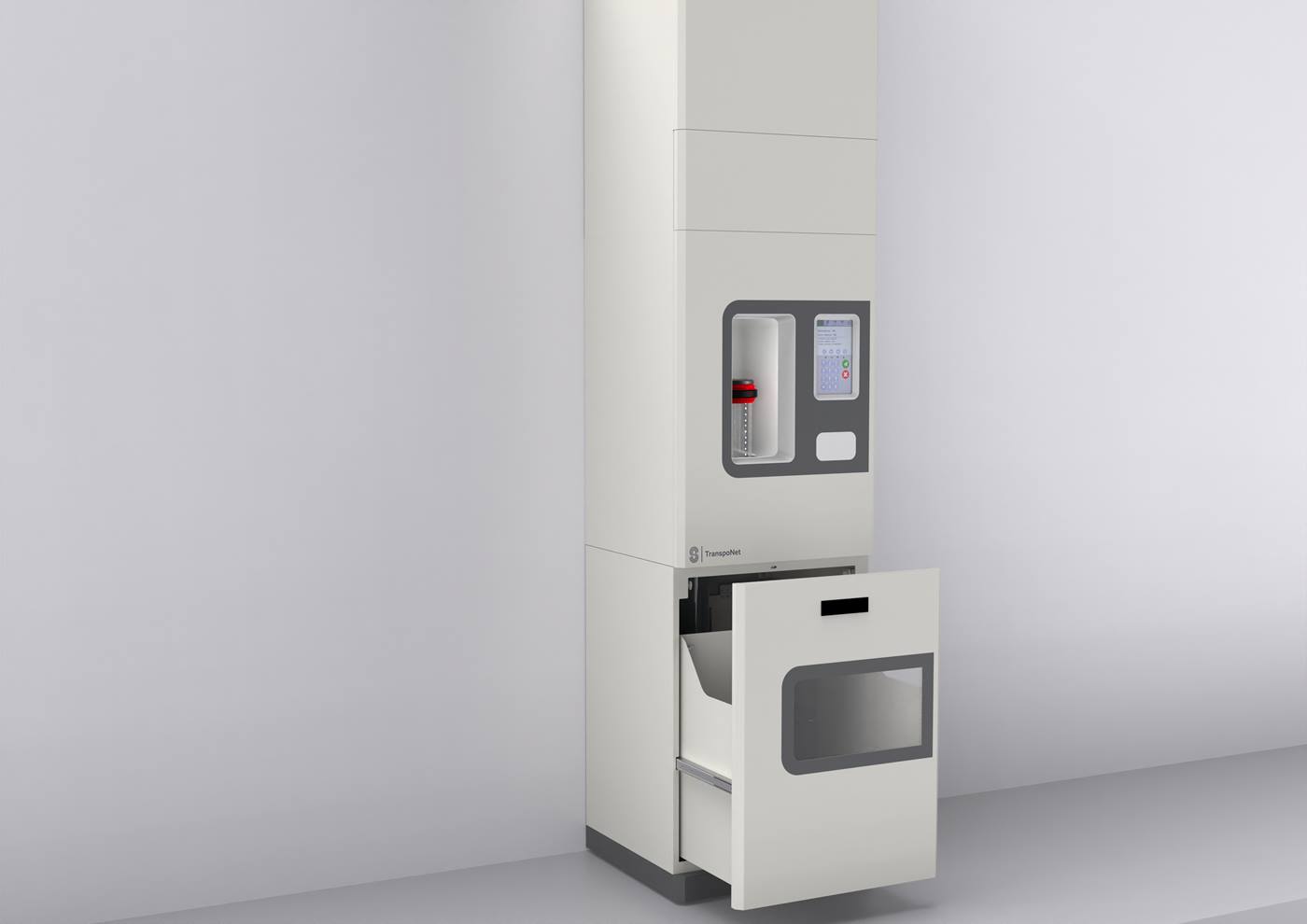
When the tube carrier with the blood product arrives, it stays locked until qualified staff scan their badges at the destination facility station. This ensures the right people pick it up and keeps the chain of custody clear.

This speeds up the process of blood delivery, supports transfusion readiness, and removes uncertainty from a workflow where timing and temperature are critical. The hospital departments know precisely when a product arrives, and they can plan transfusion steps, staffing assistance, and patient appointments. Seeing every step in the process in real time, the hospital staff schedule appointments around transfusion timing, confirm contact details, and reduce last‑minute calls to the blood bank.

The hospital also sends automatic notifications directly to the clinical team when a blood unit is on its way. The notification includeswhom to contact for follow-up, if needed. For urgent cases, thesystem supports emergency medical transportation inside the facility by prioritizing pneumatic tube routes for blood products, plasma, and other blood components.

Hospitals depend on medical‑grade refrigeration, like our Tenutō Medical Refrigerators & Freezers to ensure blood products remain at the proper temperature. These systems offer precise temperature control and automated data logging to support regulatory requirements.
Why hospitals are choosing automation  

Hospitals adopting this model consistently report these benefits

More predictable timing 

Products arrive exactly when needed, protecting the quality of every unit of blood, plasma, and other blood components when every second counts.  

Less waste, fewer returns

Because the hospital departments order only the amount of blood needed for scheduled appointments or urgent transfusion, the number of unused or returned blood products drops significantly for each facility.  

Stronger patient safety and reduction in errors 

Every movement of the blood product through the tube system is registered, time-stamped, and regularly checked by staff; this supports controlled handling of blood components. This means errors due to manual handoffs are reduced.  

Reduced workload for clinical and support staff

Nurses can spend more time with patients, rather than collect blood from the blood bank or coordinate transport between departments. This enables technicians in the laboratory to prioritize triage based on patient need and not nurse availability. This improves the hospital’s efficiency for transfusion services. That predictability helps the laboratory and blood bank balance donor supply, crossmatching, and unit availability.  

Better collaboration between transfusion labs, blood banks, and clinical departments

All members of the care team work within a predictable, verifiable process rather than ad hoc transport. This keeps the hospital operations efficient and predictable as possible in an extremely unpredictable environment. Having this standardized process also supports the hospital’s non-emergency medical transportation needs across the facility. 


The role of pneumatic tube systems


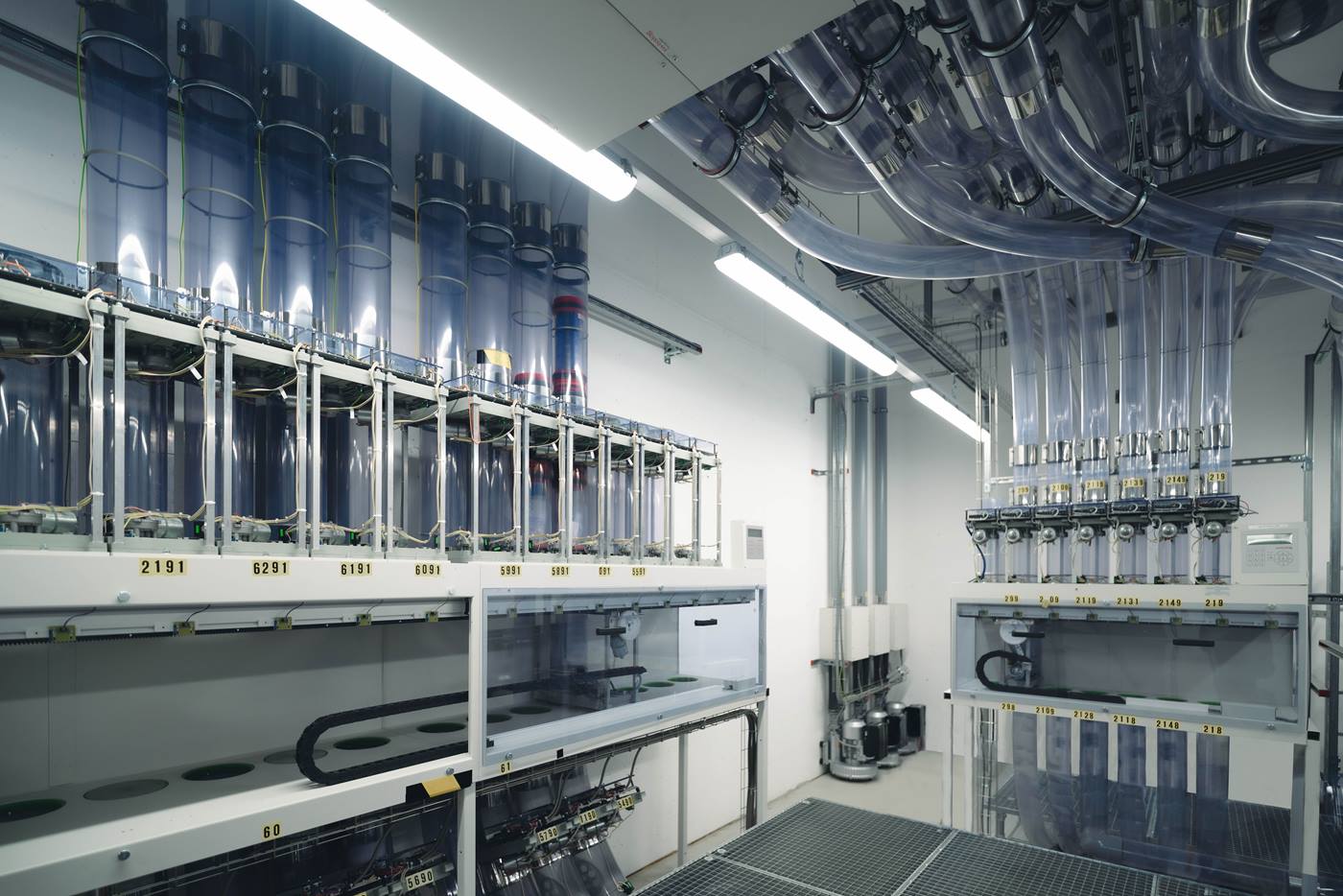
Pneumatic tube systems provide the infrastructure that allows hospitals to move blood products securely, quickly, and with the right digital controls. Tube systems are excellent at supporting transfusion services and the need to quickly deliver temperature sensitive products across the facility. In the hospital, its pneumatic tube system is a core element of its infrastructure that all teams rely on every day of the week and at all hours. 

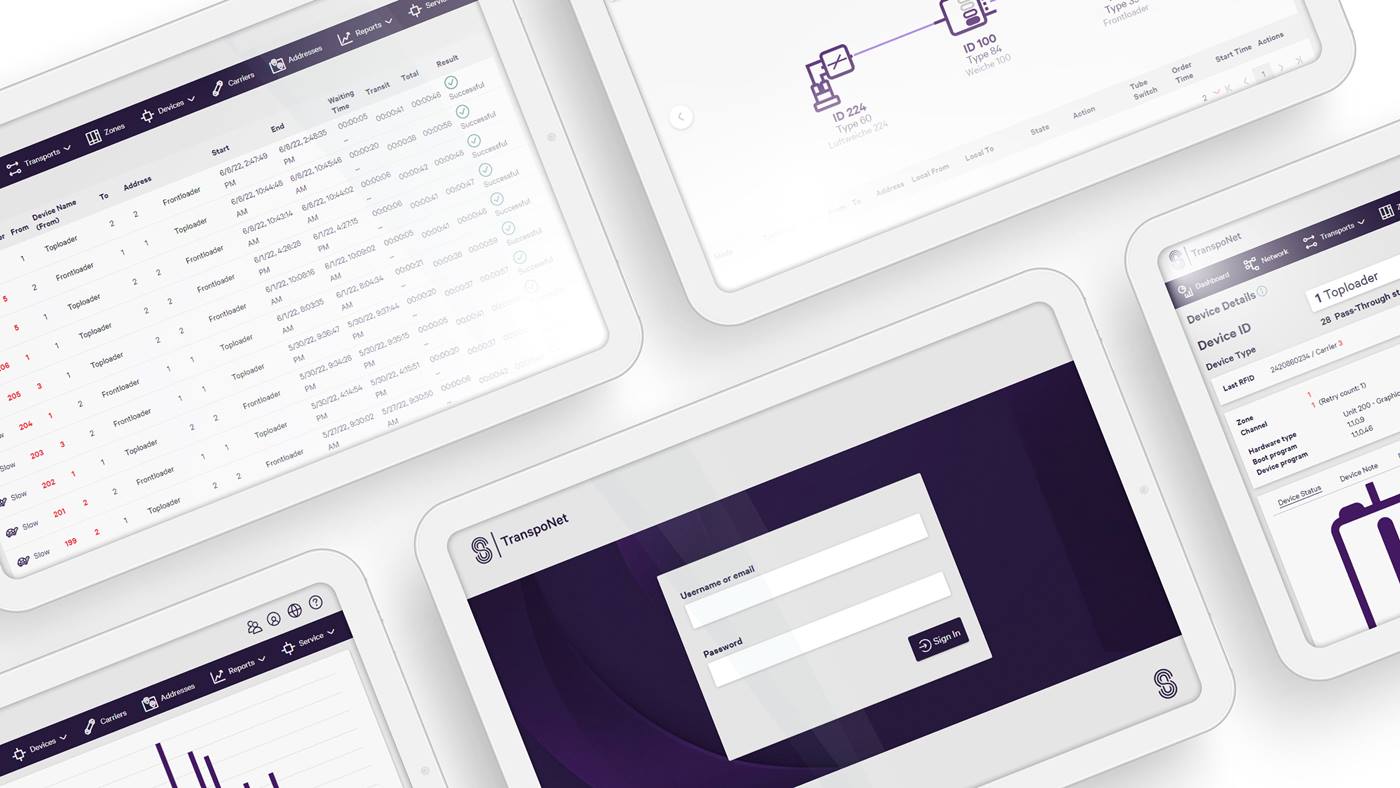
To keep its pneumatic tube system working at peak capacity, the hospital regularly updates its software. Because its system uses the most current release, they reduce IT security risk as they benefit from regular patches and security upgrades. In addition, with updated software, the hospital is well positioned to take advantage of new features and ensure compatibility with the latest hardware releases.   

Swisslog Healthcare, a world leader in hospital pneumatic tube systems, configures tube systems that 

  • Enforce authorized access with badge-controlled releases 
  • Provide traceability for carriers and contents  
  • Prevent overload during peak periods with smart routing  
  • Automatically notify departments when a carrier arrives  
  • Handle sensitive products with specialized leak resistant carriers  
  • Fits limited space with IntelliSend, a station that is designed for small rooms, niches, and corridors 
  • Scale with an add-on like SystemBuffer, a storage unit attached to the IntelliSend station that secures protected deliveries
  • Scale with SafetyLock, an add-on that authorizes personnel access to the tube system  


SmartOpen pneumatic tube container with samples
The role of Swisslog Healthcare in coordinating efforts between clinical staff and nurses in blood transport is simple but critical for transfusion services of temperature sensitive products. We make the physical and digital handoff of blood reliable with defined contact steps and points of contact. 

To improve blood logistics in your hospital facility, we can guide you through a well-honed process that strengthens services and efficiency by

  • Mapping the current workflow   
  • Identifying routing stations where delays or uncertainty occur  
  • Identifying stations that need secure releases   
  • Determining routing patterns for urgent and non-urgent cases, including emergency medical transportation priorities and non-emergency medical flows 
  • Building a business case around reduced waste, improved safety, and optimized staffing 
  • Defining escalation paths and roles, so staff know who to contact, what assistance is available, and when to switch from routine to emergency transport  


Quiet innovation with meaningful impact  


Automating blood logistics and lab transportation is not a headline grabbing transformation. It’s a quiet, steady improvement, one that strengthens patient safety, eases the workload on caregiving teams, and reduces costly waste across the facility through better services. 

About the author Olle Bulder
Olle Bulder

Olle Bulder as Head of Service Sales for the EMEA region is responsible for supporting our customers in choosing their most suitable solution.


More about Olle Bulder
Search more tags
Application TipsHospital PlanningHRInnovationsModernizationPharmacists InsightsEmployee ExperiencePatient SafetyHospital PharmacyPharmacy AutomationPurple CultureFuture PharmaciesClosed Loop Medication ManagementOpen PharmacyServiceUnit DosePoint of CarePneumatic Tube SystemNew WorkPurple JourneyDigitizationTransport AutomationIntralogisticsCold chain managementInterview