Let's start with a simple question. What's the difference between upgrading and updating software?
- Upgrading software means moving your system from one major version to the next, for example, going from version 5.3 to 6.7
- Updating software means installing incremental improvements with your current version, for example, going from 6.7.5 to 6.8
Both matter, but they serve different purposes. And in a hospital environment where reliability, speed, and security are non‑negotiable, neither can be ignored.
Why software updates matter for pneumatic tube systems
Just like any essential part of your hospital infrastructure, even the most reliable tube systems need planned maintenance. When you’ve invested in a modern system, maintaining the logic layer (the software that controls routing, prioritization, and communication) is just as important as maintaining the physical equipment.
Failing to upgrade software and keep it updated doesn't just slow things down; it creates risk.
Impact of skipping software updates
Running outdated software or relying on temporary fixes creates technical debt that compounds over time. The consequences show up in daily operations.
- Slow routing
- Delays during peak transport times
- Bottlenecks that add minutes to every sample
- Disruptions to clinical workflows
- Premature or unnecessary system replacement
These issues don’t appear overnight; they build quietly until they become impossible to ignore.
Proper tube system software maintenance
To keep hospital transport operations running at peak performance, software should include
- Regular patches and version updates
- Bug fixes and performance enhancements
- Cybersecurity improvements
- New features and workflow enhancements
- Planned hardware and firmware upgrades
Skipping any of these puts your system and hospital at risk!
An outdated pneumatic tube system is a major security risk
Hospitals are prime targets for cyberattacks and tube systems are no exception. An outdated system can become an entry point for attackers.
The benefits of keeping software updated
Critical updates and patches close vulnerabilities and reduce opportunities for unauthorized access.
Secure network connections prevent hackers from compromising or misusing the tube system.
Block cybercriminals from accessing the system through outdated protocols or unpatched weaknesses. It also stops criminals from taking control of the system and demanding ransom for restoration.
A modernization path: steps for phased-in upgrades and updates
If your tube system runs on TranspoNet 5.3 software, it’s time to plan a software upgrade.
1. Upgrade to the current TranspoNet software release before December 31, 2026
- Transponet 5.3 (or earlier) software: these versions are no longer supported, creating operational and cybersecurity vulnerabilities.
- TranspoNet 6: support will require upgrades when patches or security fixes are needed.
Software upgrades include
- Control application running as a Windows service
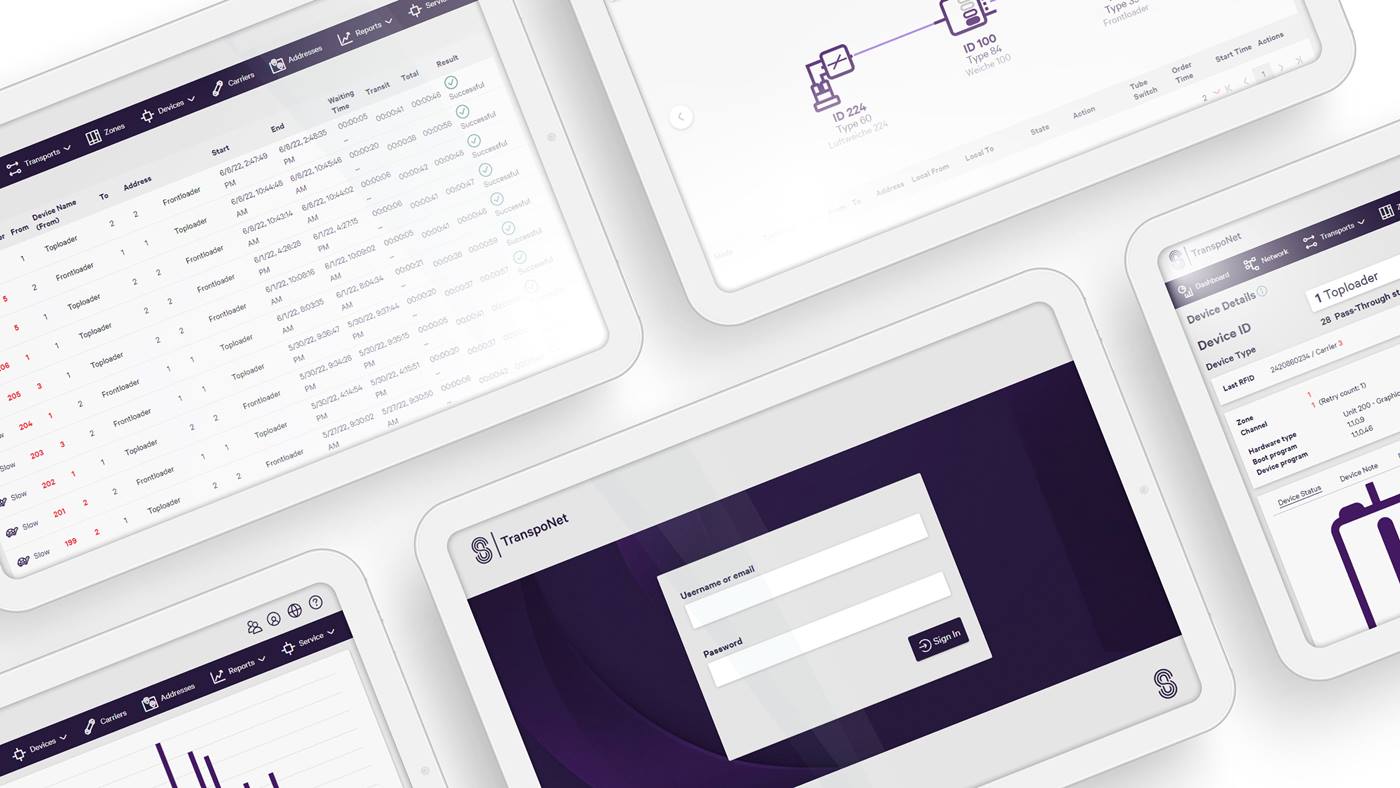
- Browser-based user interface
- Individual user accounts
- System control monitoring tools
These enhancements improve usability, security, and long-term system stability.
2. Install software updates regularly
Routine updates ensure your system
- Maintains strong security
- Operates at peak performance
- Meets compliance requirements
- Avoids costly downtime
The bottom line
Your pneumatic tube system is critical hospital infrastructure. Don’t take it for granted. Ongoing maintenance reduces the risk of unplanned downtime, protects against cyber threats, and keeps your operations running smoothly. When your software isn’t current, your entire system and the workflows that depend on it are at risk.
About the author Uwe Hogartz
Uwe is our Product Manager TranspoNet and responsible for all our products belonging to the pneumatic tube system TranspoNet – from the carrier to the tube up to the station. This includes all solutions currently available on the market, but also those that will be developed in the future. Creating requirement profiles, data sheets and price lists is part of his job.