Select your location:

Location

Modernizing a Hospital Pneumatic Tube System Doesn't Have to Be Overwhelming


Christian Eilers
07 October 2026
Hospital
Reading Time: 10 min.
For many hospitals, the idea of modernizing a pneumatic tube system can feel daunting. The system is mission critical. It touches nearly every department. It has evolved over decades through expansions, renovations, workflow changes, and increasing transportation demands.
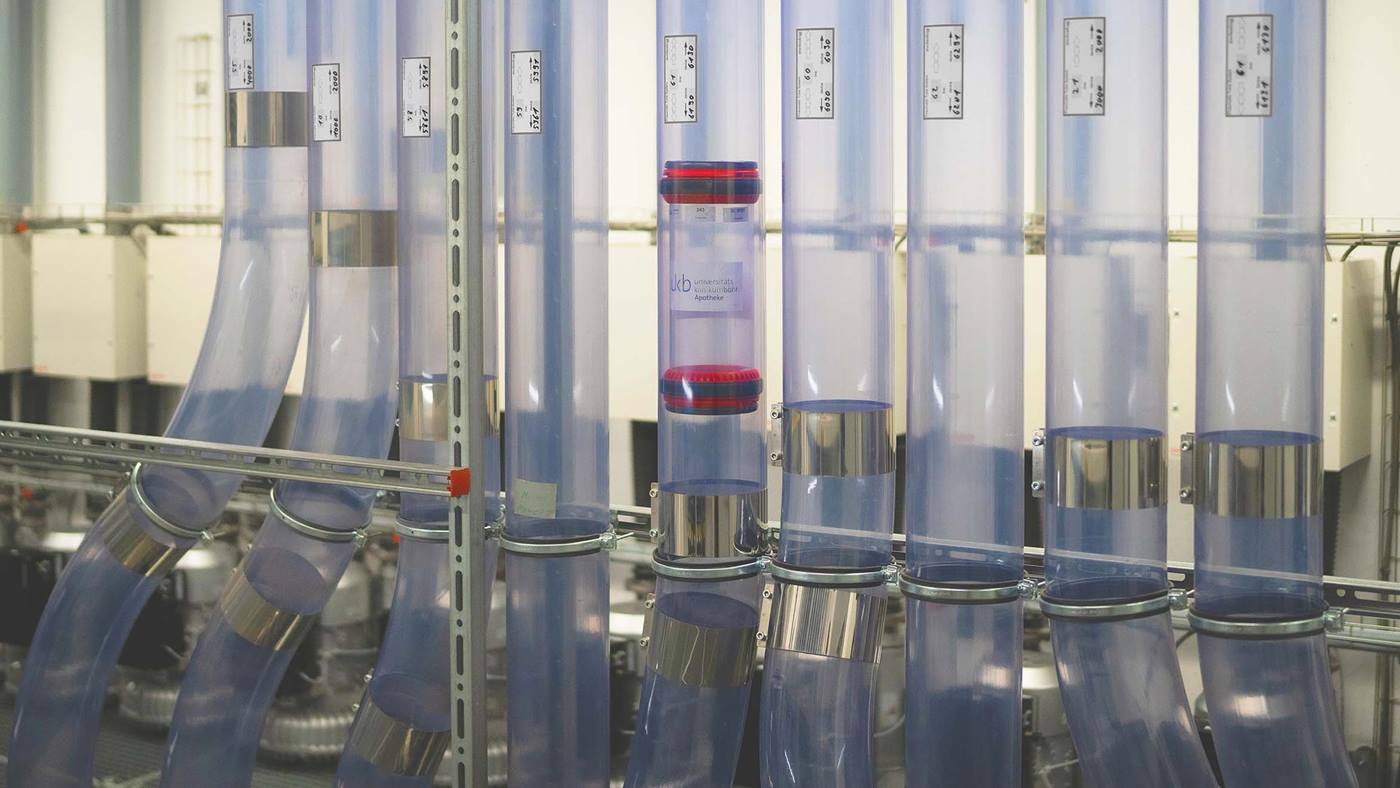
PTS tubes switch

The thought of making changes to an infrastructure that clinicians rely on every day can raise understandable concerns, such as:

  • Will the upgrades disrupt patient care?
  • How much will it cost?
  • Is the system really at its limit?
  • Do we need a complete replacement?
  • Where do we begin?


We've guided hospitals through this journey many times. Our experience has shown that the first step isn't replacing equipment but gaining a clear understanding of what the system is being asked to do today compared with what it was originally designed to do.


Looking Beyond the Symptoms

When hospitals begin experiencing tube system challenges, the conversations often focus on technical symptoms, such as:

  • Space constraints in the laboratory
  • Ventilation ducts preventing simple modifications
  • Limited transit capacity
  • Budget limitations
  • Increasing delivery volumes
  • Delays during peak operating periods


These are all real issues. However, when viewed from the perspective of nurses, laboratorians, pharmacy staff, and hospital leadership, they often get distilled into a single conclusion: the tube system is having performance problems.

The reality is usually more complex. The infrastructure hasn't failed; instead, requirements and hospital demands have changed.

Most hospital tube systems were designed around a specific set of assumptions, such as:

  • A defined number of stations
  • Certain laboratory workflows
  • Expected specimen volumes
  • Defined pharmacy operations
  • Forecasted hospital growth


But Hospitals Don't Stand Still

Over the years, new patient wards have been added. Laboratories have become centralized. Pharmacy operations have expanded. The need for automation increases. More departments connect to the network. Testing volumes grow. Expectations for speed and reliability rise to newer heights.

The result is often not a broken system, but one that has been asked to do significantly more than it was originally designed to handle.

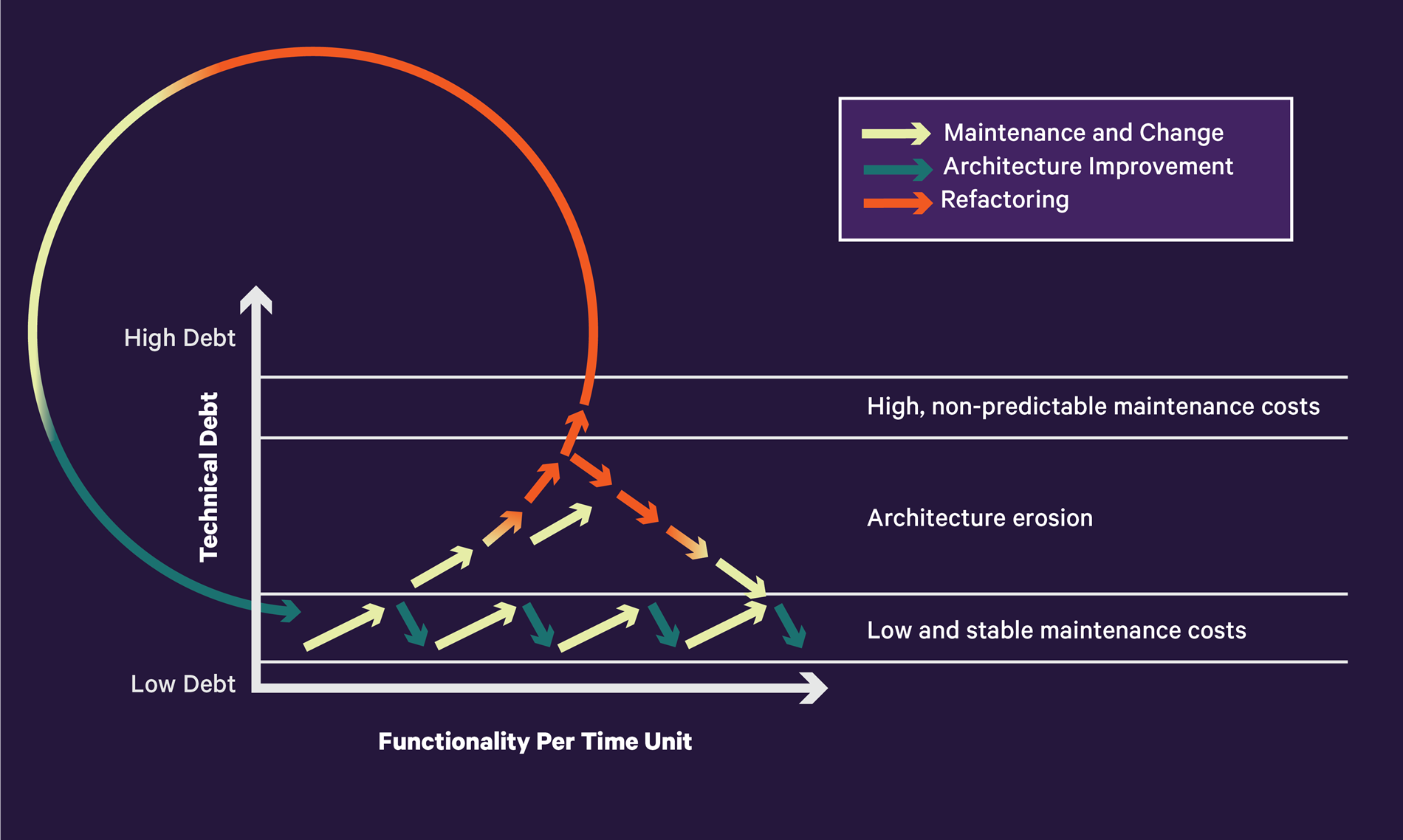
This gap between the original design and current demand creates what we often call infrastructure strain or technical debt. It is a gradual widening disconnect between yesterday's requirements and today's realities.


TranspoNet Modernization - Technical Debt Chart

Better Questions to Ask

Rather than asking: Why is the system broken? We guide hospitals through a different set of questions:

  • What was the tube system originally designed to support?
  • How is the system actually being used today?
  • How have transport volumes changed over time?
  • Where are the current capacity constraints?
  • How do current demands impact reliability, redundancy, and future expansion?
  • What risks arise if upgrades are delayed?


These questions shift the conversation from reacting to symptoms to understanding the root causes of dissatisfaction.

Take the First Step Toward a Modern Pneumatic Tube System

One of the biggest concerns hospital leaders face is uncertainty. Modernization projects can feel intimidating when there isn't enough understanding of what is causing the problem.

That's why our consultation process is designed to provide clarity, not pressure. Our team conducts a deep-dive analysis of your tube system’s history and performance.

We work with hospitals to understand:

  • Why the system was originally designed the way it was
  • How transport patterns have evolved
  • Which infrastructure decisions were made over time and why
  • Where bottlenecks are forming today
  • What future growth requirements need to be considered


Using transport data, heat maps, usage reports, growth projections, and capacity analyses, we help hospital teams visualize exactly how the system is performing.


The goal isn't simply to identify problems

The goal is to help stakeholders understand where the limits lie, why they exist, and what options are available moving forward.


Turning data into a practical roadmap

At the conclusion of our assessment, hospitals receive a documented set of findings and recommendations that can be used for both operational planning and capital budgeting.

We outline:

  • Current system performance
  • Capacity limitations
  • Infrastructure risks
  • Short-term improvement opportunities
  • Long-term modernization strategies
  • Projected impacts of delaying upgrades


This report helps leadership teams make informed decisions based on data rather than assumptions. In many cases, hospitals are surprised to learn that a complete replacement is unnecessary.


Small Investments Can Deliver Significant Results

One of the most common misconceptions is that solving tube system performance issues requires a major capital project. Our experience often shows otherwise. Strategic upgrades, such as adding transport capacity, modernizing controls, improving routing logic, expanding critical pathways, or addressing specific bottlenecks, can resolve a substantial number of operational challenges.

These targeted investments frequently generate a strong return through:

  • Faster specimen transport
  • Improved laboratory efficiency
  • Reduced delivery delays
  • Increased system reliability
  • Better user satisfaction
  • Extended infrastructure life


You're Not Alone

Modernizing a tube system can feel like a complicated and high-stakes undertaking. But it doesn't have to be. With the right data, a trusted partner, and a clear understanding of how your hospital needs have evolved, the path forward becomes much easier to see.

Swisslog Healthcare helps hospitals take that first step with confidence. We provide the insight, analysis, and guidance needed to turn uncertainty into a practical modernization strategy. When it comes to critical hospital infrastructure, the goal isn't simply to fix today's issues; it is to ensure pneumatic tube systems are ready to support patient care for years to come.

About the author Christian Eilers
Head of Technical Solutions and Delivery

More about Christian Eilers
Search more tags
Transport AutomationInterviewPurple JourneyPneumatic Tube SystemCold chain managementHospital PlanningModernizationInnovationsDigitizationIntralogisticsUnit DoseHRPharmacists InsightsServiceClosed Loop Medication ManagementNew WorkPoint of CareApplication TipsPurple CulturePatient SafetyFuture PharmaciesPharmacy AutomationEmployee ExperienceHospital PharmacyOpen Pharmacy