Reading Time: 4 min.
Space is one of the most practical constraints in healthcare and laboratory environments, yet it is often only addressed at the point of installation. Facilities are typically designed around existing infrastructure, with equipment added over time to meet increasing demand. As a result, biomedical refrigeration systems must often be integrated into constrained environments, where space, access, and usability are limited. Planning for space is therefore not only about fitting equipment into an available area, but about selecting systems designed to function effectively within those constraints.
When Space Becomes a Constraint
In many healthcare and laboratory environments, biomedical refrigeration must be installed in narrow rooms, tight corridors, or alongside existing equipment. Standard units may meet capacity requirements, but their external dimensions, door clearance, and service access needs can make installation difficult. In some cases, units may not pass through standard doorways, creating challenges before installation even begins. In retrofit environments, installation feasibility often becomes a deciding factor before performance is evaluated.
Increasing Usable Capacity Within a Fixed Footprint
In constrained environments, increasing external size is rarely an option. System design therefore plays a key role in how efficiently internal space is used. Features such as effective airflow design and internal configuration can increase usable storage capacity without increasing the overall footprint. This allows clinical environments to store more within the same physical space, supporting growing demand without requiring additional infrastructure.
Designed for Real-World Installation
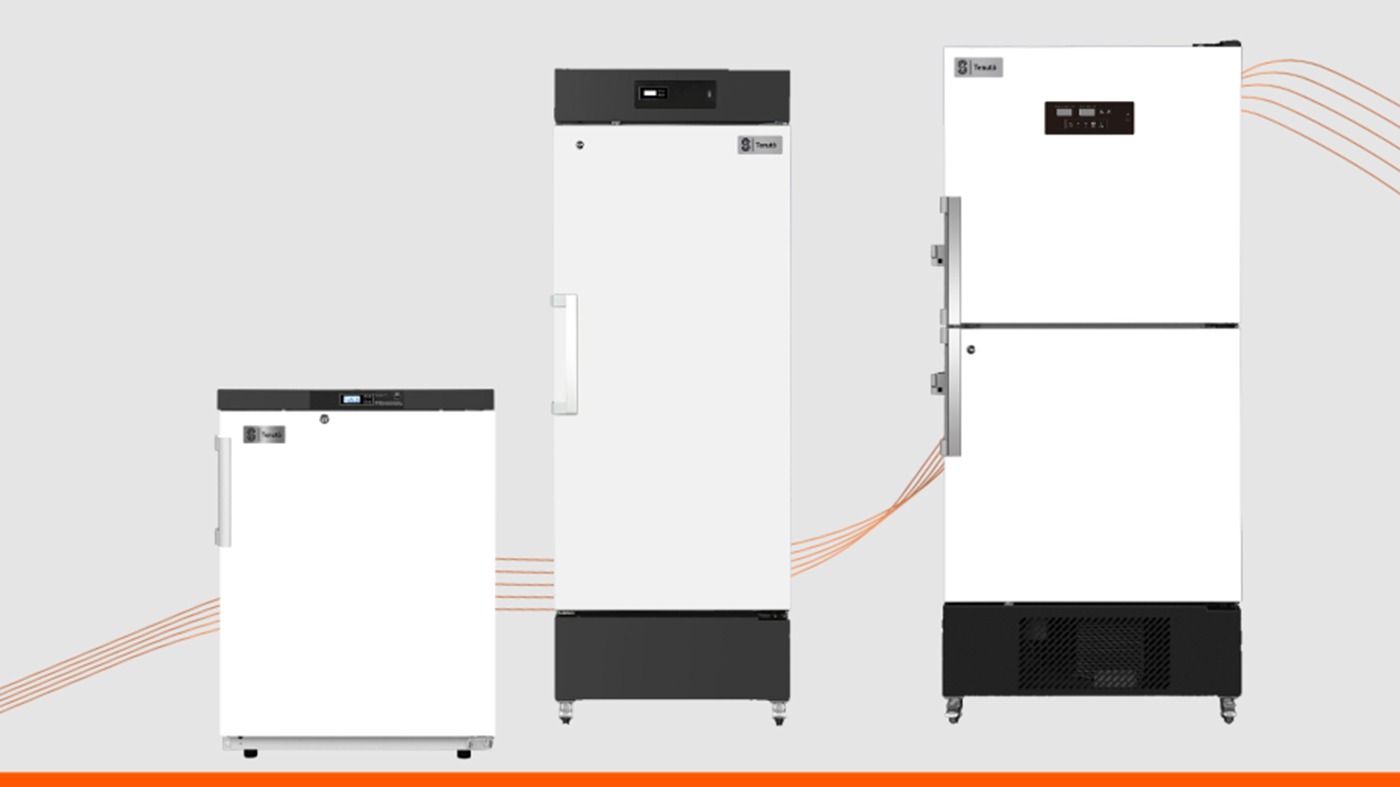
External dimensions directly affect where and how systems can be installed. Selected Tenutō models are designed with a slim cabinet profile and narrow door configuration, allowing installation through doorways as narrow as 750 mm, which are common in many clinical environments. This enables deployment in environments where larger units may not be feasible, particularly in retrofit settings where structural changes are not practical.
Maintaining Performance in Compact Environments
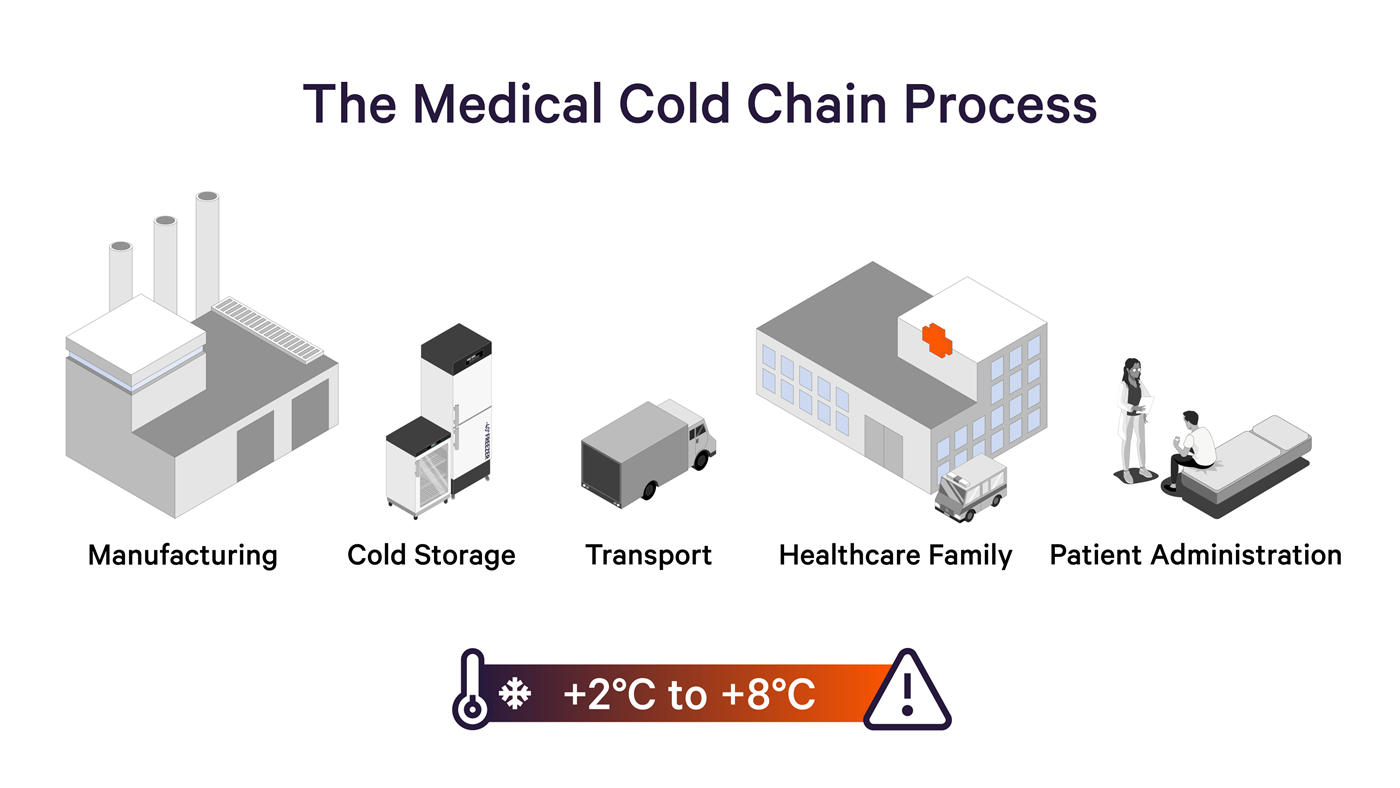
Space efficiency must not come at the expense of performance. In compact installations, airflow and temperature distribution become more critical due to reduced internal volume and more frequent access. System design must therefore support both efficient use of space and stable operating conditions. Features such as controlled airflow and responsive cooling systems help maintain temperature uniformity and limit the impact of door openings during routine use to also be compliant with the hospital cold chain.
Efficiency Within a Smaller Footprint
Energy consumption is an important consideration, particularly in clinical environments operating multiple units within limited space. Efficient system design can support faster cooling, reduced operational noise, and lower energy consumption, contributing to lower total cost of ownership over time. In high-density environments, these efficiencies become increasingly important as the number of installed units grows.
Designed for Usability and Workflow
Space constraints affect not only installation, but also daily operation. System design must support ease of access, efficient storage organisation, and minimal disruption to workflow. Features such as efficient internal layouts and door configurations designed for tighter spaces help improve usability and reduce handling time. These considerations ensure that space efficiency does not compromise operational effectiveness.
The Tenutō Approach
The Tenutō portfolio is designed to address the practical constraints of modern healthcare and laboratory environments.
By combining:
- Slim external dimensions
- Efficient internal capacity
- Controlled airflow and cooling design
- Energy-efficient components
Tenutō systems help clinical environments use available space effectively while maintaining performance, accessibility, and operational efficiency.
Making Space Work
In many environments, space constraints cannot be eliminated. What can be controlled is how effectively that space is used. Selecting systems designed for space efficiency allowsclinical environments to support storage capacity, maintain performance, and optimise workflow, even within limited physical environments.
About the author Jessica Ledesma