Select your location:

Location

Select your language:

  • English
  • English
  • English

Cold Chain Management in Pharmacy: Strategies for Growth and Quality


Michael Palone
October 26, 2026
Community Pharmacy
Reading Time: 5 min.
Every temperature excursion represents two risks: compromised patient care and significant financial loss. As specialty pharmaceuticals, biologics, cell therapies, and glucagon-like peptide-1 (GLP-1) medications continue to grow, healthcare organizations are discovering that cold-chain management is no longer a niche operational concern. It is a strategic capability.
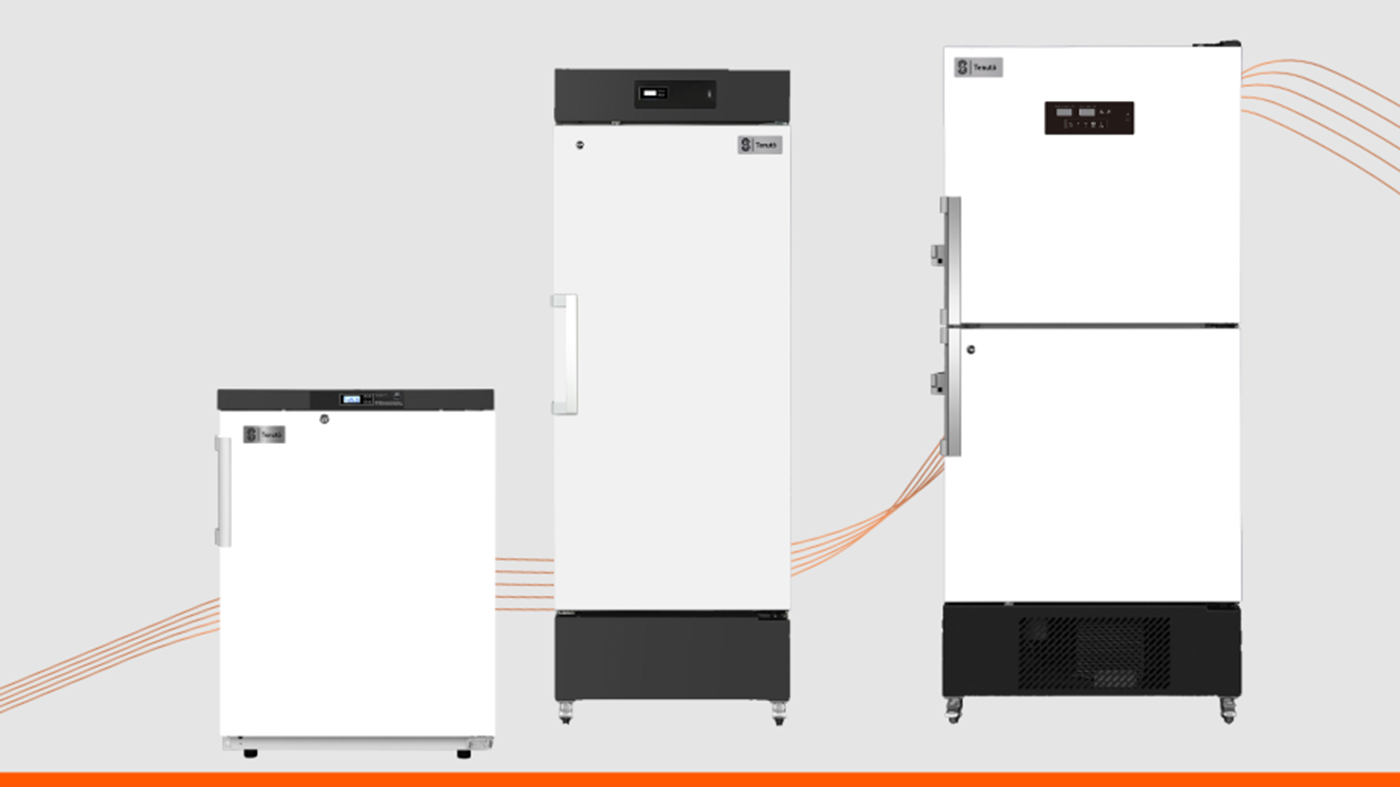
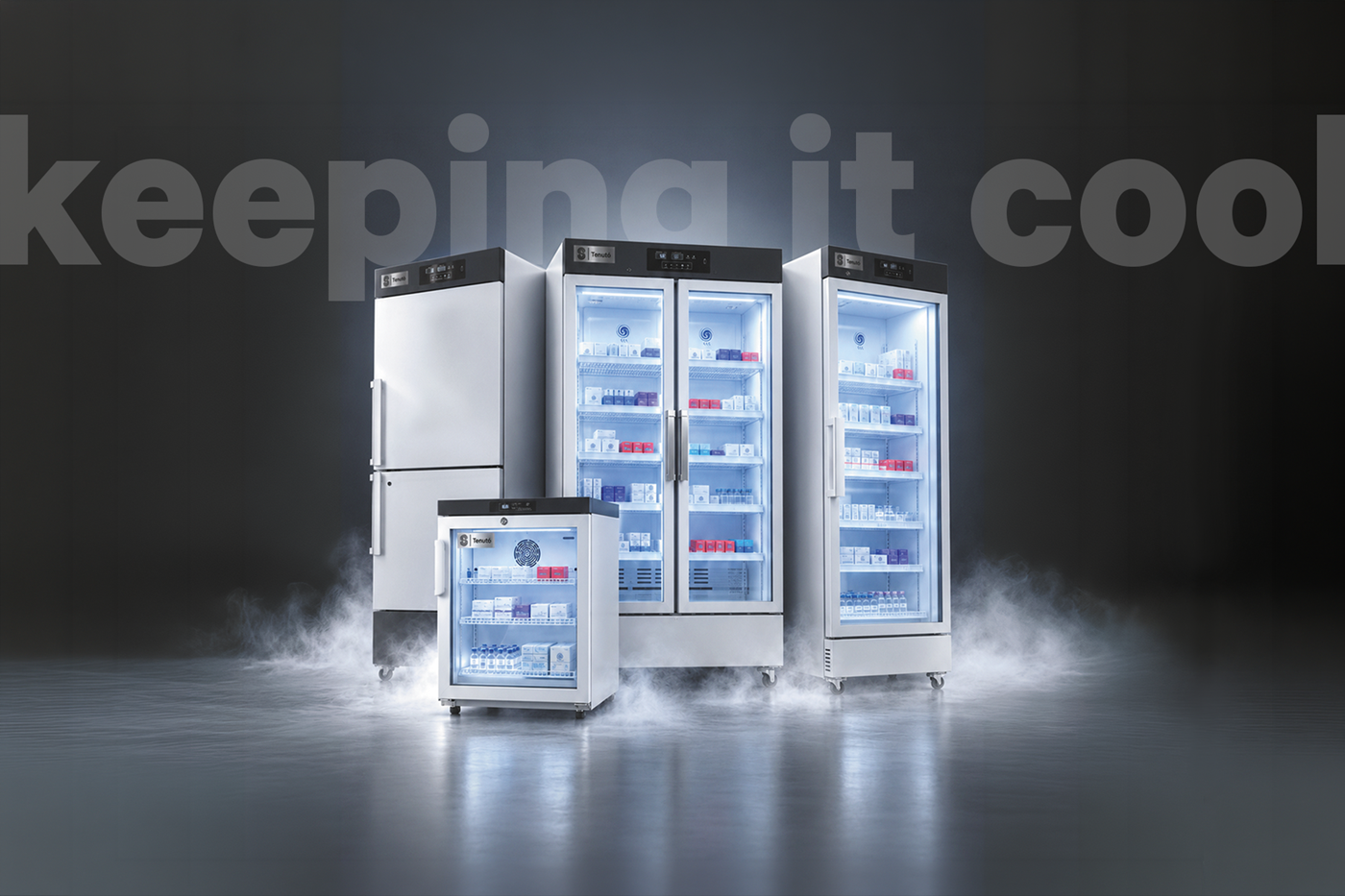
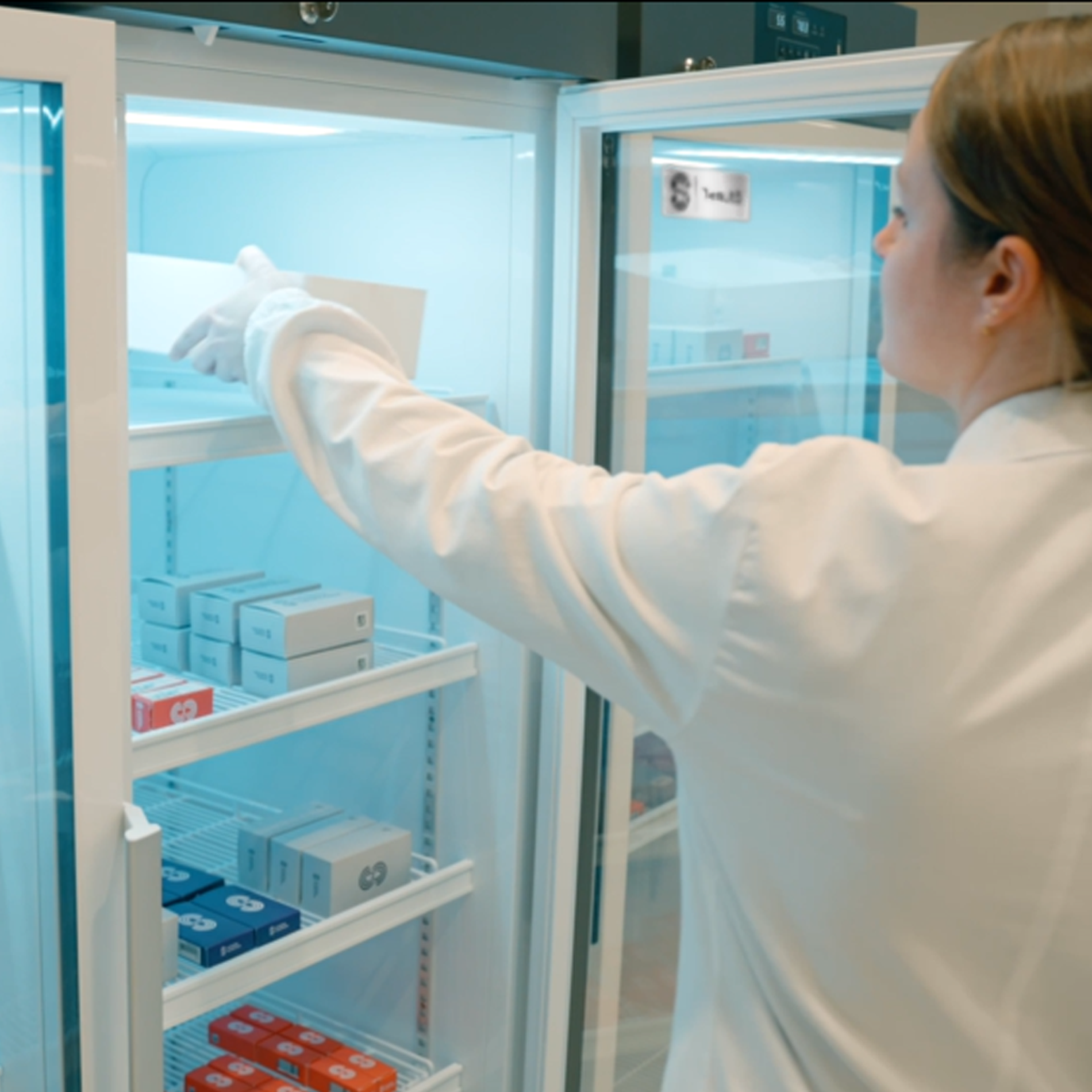
Medical refrigerators

Pharmacists were an integral part of the global response to the COVID-19 pandemic, supporting access to treatments, testing, and vaccine delivery. The impact on the pharmaceutical cold chain was unlike any other time in history, and the industry as a whole rose to meet the challenge. However, while these therapies are transforming patient outcomes, they are simultaneously placing unprecedented demands on storage, transportation, monitoring, and inventory management systems throughout the healthcare supply chain.


Why is cold chain management growing in importance?

An American Society of Health-System Pharmacists (ASHP) report estimates that drug spending in the US market will exceed $1 trillion for the first time this year, driven by advances in oncologic and GLP-1 medications.

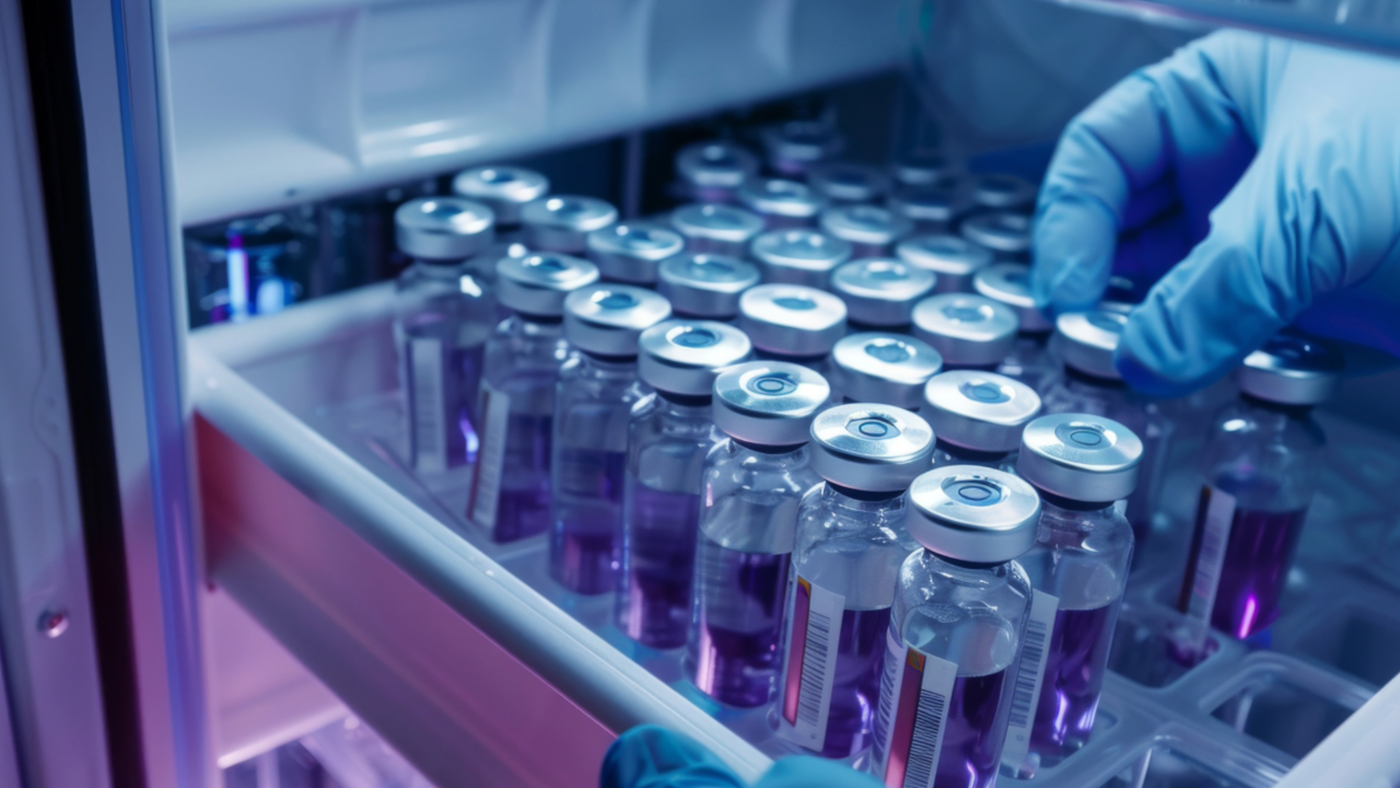
These new therapies are increasingly complex. Biologics and immunologic therapies are leading the way, and many require specialized cold-chain storage and handling. Roughly 43% of the 292 new drugs approved from January 2018 to March 2023 required cold chain storage, and 6% required storage at freezing or below. These high-cost medications have the potential for signficant product loss and financial impact due to teemperature excursions.

For vaccines, it is estimated that inadequate cold storage results in an annual loss of $10 million worth of vaccines. For health systems, the impact extends beyond product loss. Temperature excursions can delay patient treatment, increase labor requirements for investigation and remediation, create regulatory compliance concerns, and erode confidence in medication quality.

As the proportion of cold-chain-dependent therapies continues to rise, pharmacies and healthcare systems must move beyond viewing refrigeration as a storage requirement and instead approach cold-chain management as an integrated quality, technology, and operational strategy.


The cold chain is only as strong as its weakest link

The cold chain covers every step needed to keep medications and other temperature-sensitive products within their required temperature range, from manufacturing through delivery to the patient. Because there are many handoffs throughout this journey, every step must be managed with quality and patient safety at the forefront.   The COVID-19 pandemic required massive investments in infrastructure and processes, and now the growth of temperature-sensitive therapies is spurring more investment across the supply chain. The growth of temperature-sensitive medications also requires pharmacy leaders to reconsider facility design, equipment investments, staffing models, inventory management practices, and distribution workflows.  

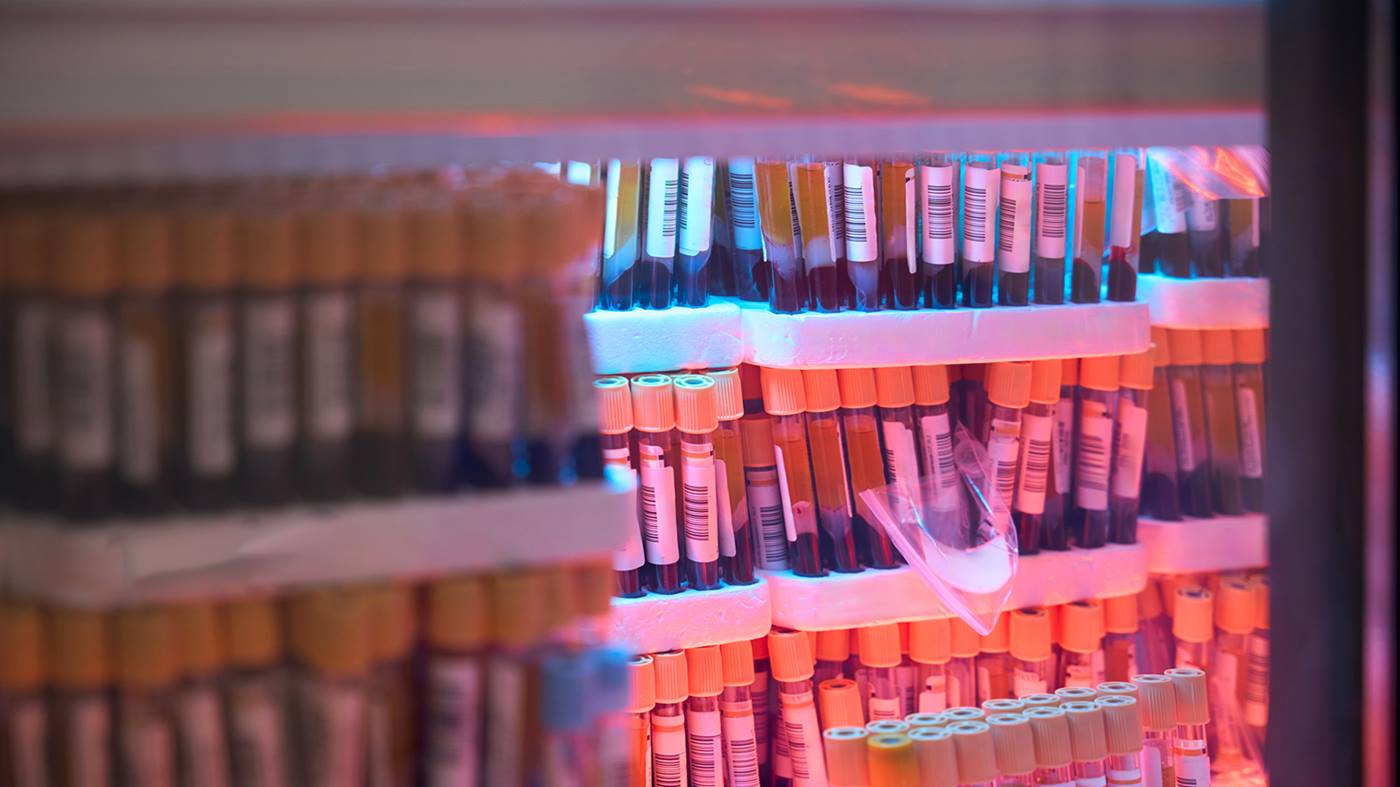
Storing vaccines and medication in medical fridges

What should pharmacy leaders plan for?

Planning efforts increasingly involve questions such as:

  • Do current refrigeration and freezer capacities support projected growth?
  • How should medications be distributed to clinics and ambulatory locations?
  • What redundancy exists during equipment failure or power interruption?
  • Are monitoring systems integrated with enterprise alerting and quality programs?
  • How will home delivery and last-mile distribution affect pharmacy operations?


The need for infrastructure investment extends well beyond healthcare providers. Logistics companies are making significant investments in temperature-controlled networks. UPS recently announced $48 million in global temperature-controlled infrastructure investments, reflecting growing confidence that demand for temperature-sensitive therapies will continue to expand throughout the next decade. Based on estimates from Growth Market Reports, the global cold-chain market is projected to reach $39.1 billion by 2033.


What are the biggest cold chain challenges for pharmacies?

Pharmacies will need to match this growth in their own capabilities, and ASHP reports that pharmacy leaders identify the top challenges in cold chain management as storage capacity, storage space, consistency of delivered product, temperature control/monitoring, and staffing. In acute care health systems, these medications must be distributed not only throughout the hospital, but also across affiliated clinics, physician offices, and urgent care centers. A significant challenge is safely distributing medications that require ultra-low-temperature (ULT) storage to smaller off-site locations and directly to patients’ homes. The processes and equipment to manage these medications span the full spectrum of healthcare delivery.


Beyond vaccines and refrigerators: what makes a cold chain effective?

Historically, the healthcare industry has devoted significant attention to vaccine storage. Guidance from organizations such as the World Health Organization (WHO) and the Centers for Disease Control and Prevention (CDC) continues to inform cold-chain processes and quality management systems. The CDC Vaccine Storage and Handling Toolkit states: “An effective cold chain relies on three main elements: Well-trained staff, reliable storage and temperature monitoring equipment, and accurate vaccine inventory management.”

These principles hold true for all cold-chain dependent therapies, and the potential impact on patient care and financial loss cannot be overstated. Quality, medical-grade equipment is only the beginning. Effective cold-chain programs also depend on continuous temperature monitoring, automated alerting, data analytics, and robust inventory controls.

As temperature-sensitive therapies become a larger share of pharmaceutical spending and patient care, cold-chain management will increasingly influence both clinical outcomes and operational performance. Success will require more than refrigerators and freezers. It will depend on thoughtful planning, investment in technology and infrastructure, strong quality systems, and interdisciplinary collaboration across the healthcare continuum.

Pharmacists, who have long served as stewards of medication safety and effectiveness, are uniquely positioned to lead this transformation and ensure patients receive these innovative therapies safely, effectively, and efficiently.

References
About the author Michael Palone
Michael Palone
Pharmacy Affairs Executive

More about Michael Palone
Search more tags
Transport AutomationHospital PlanningDigitizationPharmacy AutomationClosed Loop Medication ManagementPatient SafetyCold chain managementNew WorkPurple JourneyPneumatic Tube SystemFuture PharmaciesInterviewPharmacists InsightsHospital PharmacyModernizationPoint of CareHRIntralogisticsUnit Dose