
Transit risk is real, but it’s not the full picture
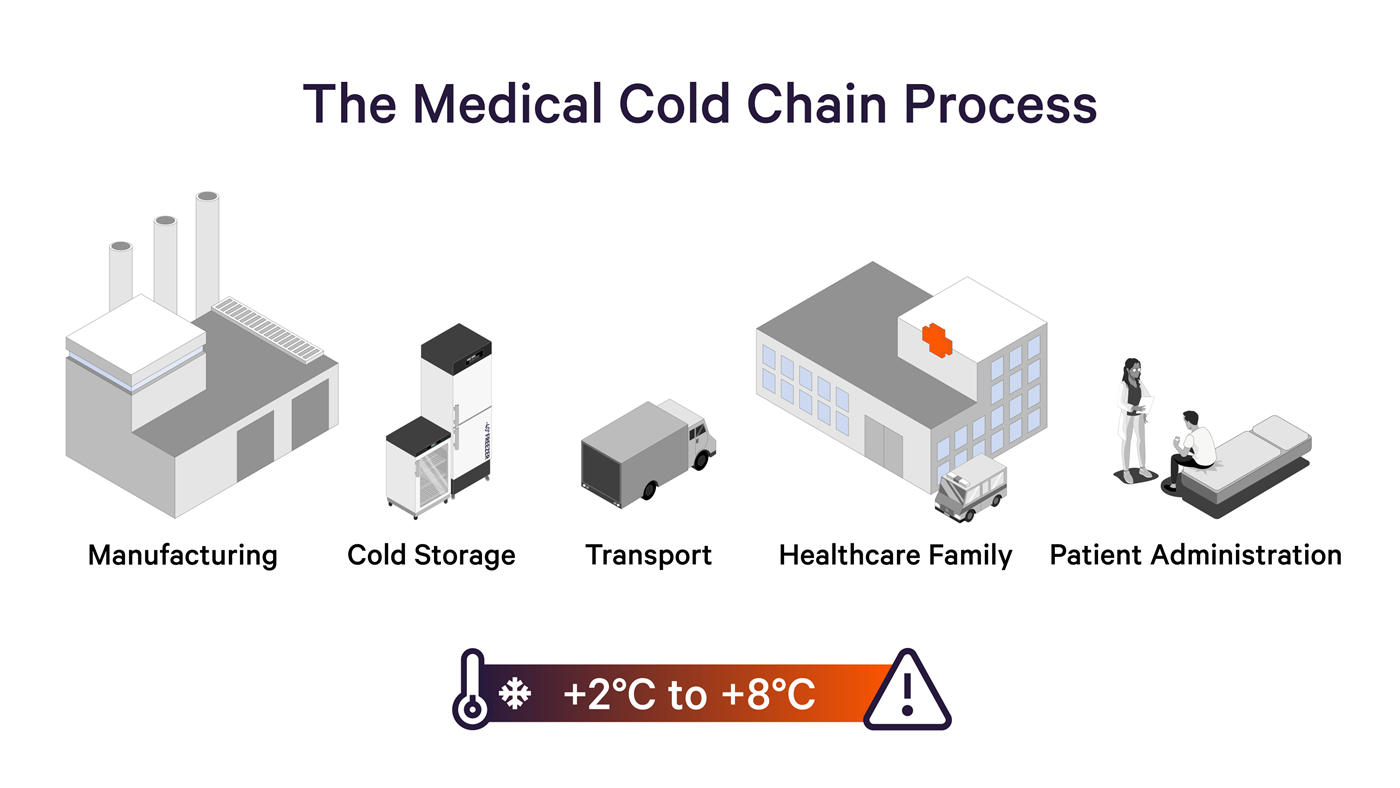
Moving temperature-sensitive medicines involves multiple transport modes and handoffs, and those risks have well-established mitigation strategies. The narrower point here: transport-side validation is only as good as the check that confirms it, and that moment happens at the receiving dock, not in the truck. This handoff is where a shipment’s cold chain either holds well or quietly fails. This is the point this article focuses on.
Receiving: a known risk point a hospital controls directly
Handoffs are inherently high-risk processes in cold chain custody, and the final handoff, from distributor to hospital pharmacy, is the one hospitals can actually govern end-to-end. A defensible receiving protocol should include:
- Immediate temperature verification on arrival, using a calibrated temperature device or probe where appropriate
- Data logger download and review before product is accepted into inventory, not after
- Quarantine procedures for any shipment flagged with temperature excursions, pending quality review
- Integration with pharmacy inventory management to enforce First Expired, First Out (FEFO) handling from the point of receipt
A shipment with a perfectly validated transport record is only as good as the receiving process that checks it. Many facilities verify temperature on arrival but accept product into inventory before completing data logger review — closing that gap is a process fix, not a capital investment.
Storage validation in hospital cold chain management should follow risk, not the calendar
Temperature mapping and revalidation requirements are sometimes presented as fixed annual or biennial cycles. In practice, the major regulatory frameworks — including WHO’s Model Guidance for the Storage and Transport of Time- and Temperature-Sensitive Pharmaceutical Products (WHO Technical Report Series No. 961, Annex 9) and EU Good Distribution Practice (2013/C 343/01) — call for an initial mapping study before a storage area is used, followed by risk-based requalification: triggered by facility changes, HVAC modifications, seasonal variation, or anomalies in monitoring data, rather than a blanket interval. This matters operationally. A facility that revalidates once a year regardless of conditions may be over-auditing a stable cold room while under-auditing one that’s had recent layout changes or a compressor swap. Risk-based requalification, documented and signed off, is the standard inspectors actually look for. The United States Pharmacopeia’s General Chapter <1079> on Good Storage and Shipping Practices reflects the same principle: mapping results should drive monitoring design, not the reverse.
Two design factors materially reduce storage risk independent of revalidation cycles:
- Redundancy. Redundant system design, such as dual-compressor systems, can reduce single-point-of-failure risk, rather than relying on alarm response time alone to catch a failure after it’s already occurred.
- Backup power scope. It’s worth being precise here: backup battery systems in most medical refrigeration units maintain alarms and display continuity during a power interruption — they do not power the refrigeration unit itself. Facility-level backup power (generator, UPS) is still required to keep the unit actively cooling through an outage. Treating internal battery backup as a substitute for facility backup power is a common and consequential gap.
Monitoring continuity throughout dispensing and movement
Cold-chain SKUs need the same dispensing discipline as ambient stock, with one added constraint: FEFO must be enforced without removing products from controlled storage any longer than necessary. Integration between storage monitoring systems and pharmacy automation reduces double-handling — checking stock, then separately checking temperature history — by surfacing both in the same workflow at the point of dispensing. Movement is the point where monitoring most often lapses, even in well-run facilities: every transfer from pharmacy to ward, operating room, or blood bank leaves controlled storage and its continuous log behind. Time-stamped hand-off records and short-duration transport monitoring close that visibility gap, so a product’s condition is documented through the transfer itself, not only before and after it.
Regulatory basis: GDP and GSP at the storage and receiving point
Good Distribution Practice (GDP) and Good Storage Practice (GSP) frameworks across Singapore (HSA), Malaysia (NPRA), Thailand (FDA), and Indonesia (BPOM) converge on the same core obligations at the storage and receiving stage: documented temperature mapping before a storage area goes into use, ongoing monitoring with calibrated equipment, a documented contingency plan for excursions, and training records for staff handling temperature-sensitive products. Thailand’s current GDP regulation, issued under a 2021 Ministry of Public Health notification, took effect 1 January 2022. Indonesia’s CDOB standard was updated in 2025 (BPOM Regulation No. 20/2025), replacing the prior 2019 regulation. Malaysia’s GDP guideline (NPRA, 3rd edition, 2018) and Singapore’s GDP guidance (HSA, December 2023) remain current. These frameworks generally point toward documented, risk-based qualification and review rather than relying on a single universal interval. Requalification is typically triggered by facility changes, equipment modifications, or anomalies in monitoring data, and reviewed by the responsible person under the facility’s quality system.
Where Tenutō fits
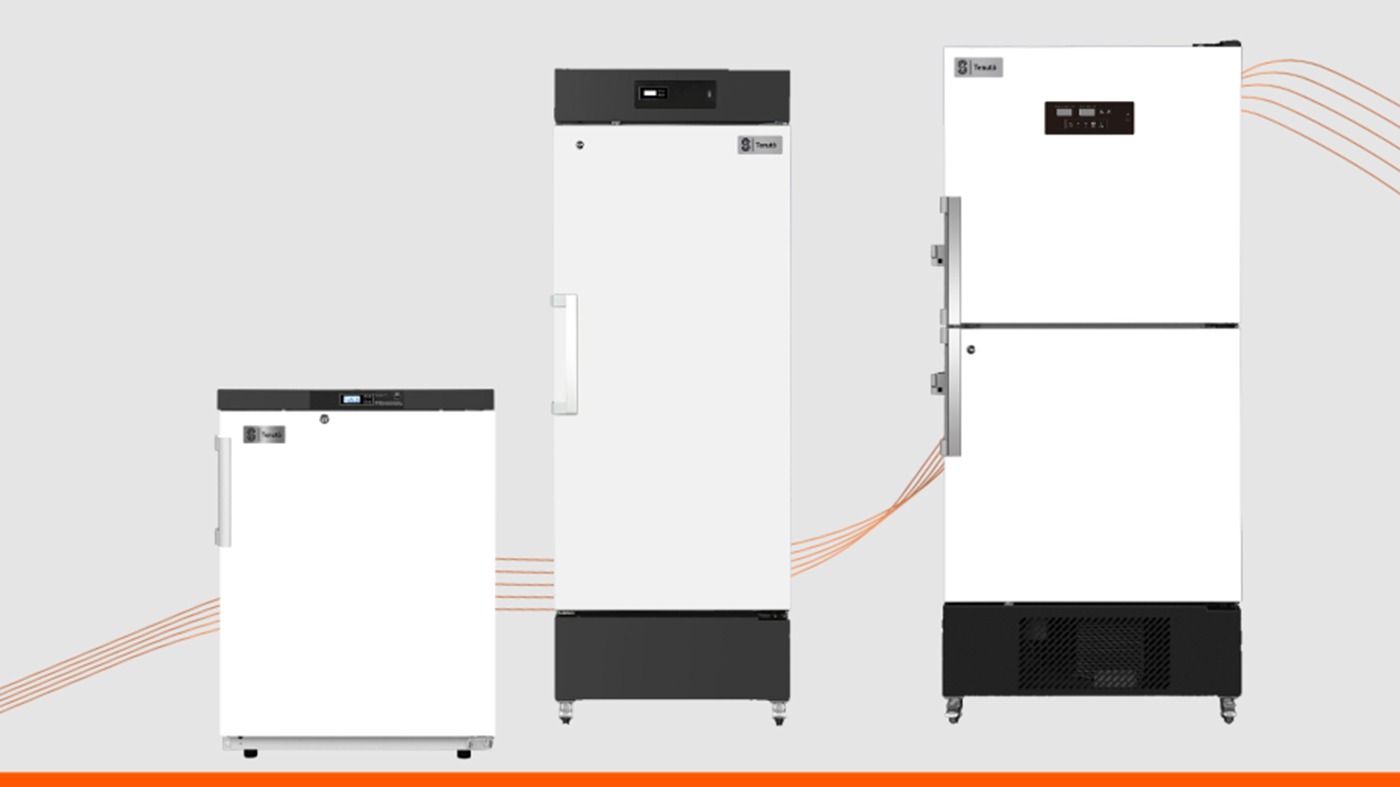
Tenutō supports robust and effective hospital cold chain management by providing purpose-built medical fridges and freezer solutions for controlled-temperature storage, built-in continuous temperature monitoring and data logging (the temperature logger that receiving review and audits depend on), and alarm systems to detect temperature excursions. Tenutō is built precisely for this stage of the cold chain — storage, monitoring, and dispensing continuity — empowering hospital operations and procurement teams with accurate, real-time, audit-ready data to manage cold chain compliance to the highest quality standards.
Conclusion: the controllable half is where the wins are
The transit leg gets the attention, but the half of the cold chain inside your facility is the half you can actually govern. Receiving that checks the data logger before product enters inventory, storage validated on risk rather than the calendar, and monitoring that logs continuously and alarms in time to respond are all within a hospital pharmacy’s direct control. That makes cold chain management in the hospital the highest-leverage place to reduce excursion risk, and the first place an auditor will look.