Select your location:

Location

Medical refrigerator for blood

Cold Chain Management in Healthcare: Requirements for Pharmacies, Laboratories, Blood Banks, and Remote Clinics

Cold chain management in healthcare follows one principle everywhere: keep temperature-sensitive products within their required range from the moment they arrive to the moment they are used. What changes from one setting to the next is the constraint. A hospital pharmacy, a clinical laboratory, a blood bank, and a remote clinic each store different products, face different risks, and need different equipment to hold the same idea of “in range.”

Hospital pharmacy

The hospital pharmacy is the highest-traffic cold storage point in most facilities. It holds vaccines, refrigerated medicines, and biologics mainly at 2°C to 8°C, with frequent door openings, changing stock levels, and staff rotation all working against stability.

The binding constraint here is consistency under daily use, not reaching the setpoint. A unit that holds 2°C to 8°C uniformly across the chamber, recovers quickly after a door opening, and logs continuously is what keeps refrigerated medicines effective within their recommended storage duration. The most common failure is not a dead compressor; it is an excursion during a busy shift or overnight that no one sees until the next manual check.


Clinical and research laboratory

Laboratories store a wider temperature range than any other setting: refrigerated reagents and specimens from 2°C to 8°C, frozen material from −20°C to −40°C, and long-term samples at ultra-low temperatures of −80°C or in cryogenic storage below −150°C.

The constraint shifts with value and irreplaceability. Routine reagents tolerate a brief excursion; a bio-banked cell line or an advanced-therapy sample held at −80°C does not. The further the temperature drops, the more redundancy and monitoring matter, because the material is harder, or impossible, to replace. Laboratories also store flammable reagents in some cases, where spark-free or explosion-proof refrigeration is the relevant category rather than temperature alone.


Blood bank

Blood banking is the most tightly regulated cold storage setting, and not just another “medicine” to refrigerate. Errors such as the wrong storage temperature or wrong identity of a unit can directly harm patients if transfused. Whole blood and red cells are held at a narrow 1°C to 6°C with stricter uniformity, secured access, and continuous monitoring tied to transfusion safety. Plasma is frozen to preserve clotting factors, and platelets are the exception to cold storage entirely, kept at 20°C to 24°C with continuous agitation. This highlights the need for multiple, different storage conditions running simultaneously.

The constraint is traceability as much as temperature. A blood bank has to manage identity and chain of custody for every individual unit – whose blood it is, what condition it was in, and whether it can be traced end-to-end – on top of enforcing cold chain compliance. Dedicated blood bank refrigerators, rather than general pharmacy units, exist for exactly this reason.
Vaccine programmes and remote clinics

Immunisation storage is defined by freeze-sensitivity and, increasingly, by reach. Most vaccines sit at 2°C to 8°C and must not freeze; some require frozen or ultra-cold storage for part of their shelf life. In a well-resourced facility, this is a monitoring and equipment question. In a remote or off-grid clinic, it becomes an infrastructure question.

The constraint in remote settings is power and distance. Where mains power is unreliable, solar direct-drive and ice-lined refrigerators hold safe temperatures without continuous electricity, and validated cold boxes and vaccine carriers extend the chain to the point of care. Last-mile delivery is where most excursions occur, so monitoring that records locally even when it cannot transmit in real time matters as much as the storage unit itself. This challenge is most acute in warm-climate and emerging-grid regions, including parts of APAC, Africa, and Latin America.
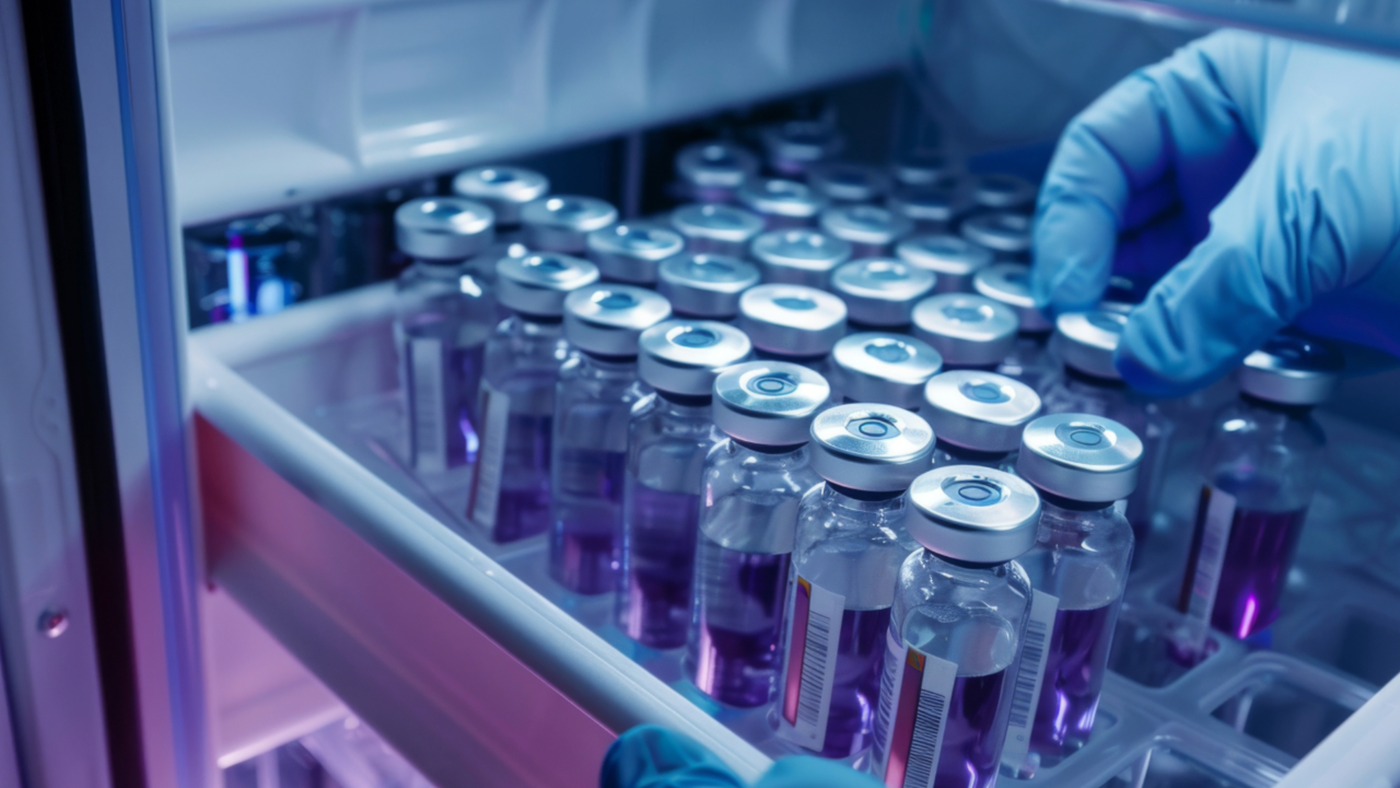
Vaccine in medical fridge

What every setting shares

Across all four settings, three things hold constant.

  • Continuous temperature monitoring with logging and alarms is the baseline, because manual checks cannot show what happened between them.
  • A written excursion protocol, naming who is notified and how affected products are quarantined and assessed, turns a deviation into a controlled event instead of a crisis.
  • Medical-grade equipment appropriate for the type of products stored is the foundation the other two rest on.


Frameworks for cold chain compliance can differ in detail by region, but these three principles apply everywhere.

Cold Chain portfolio

Where Tenutō fits

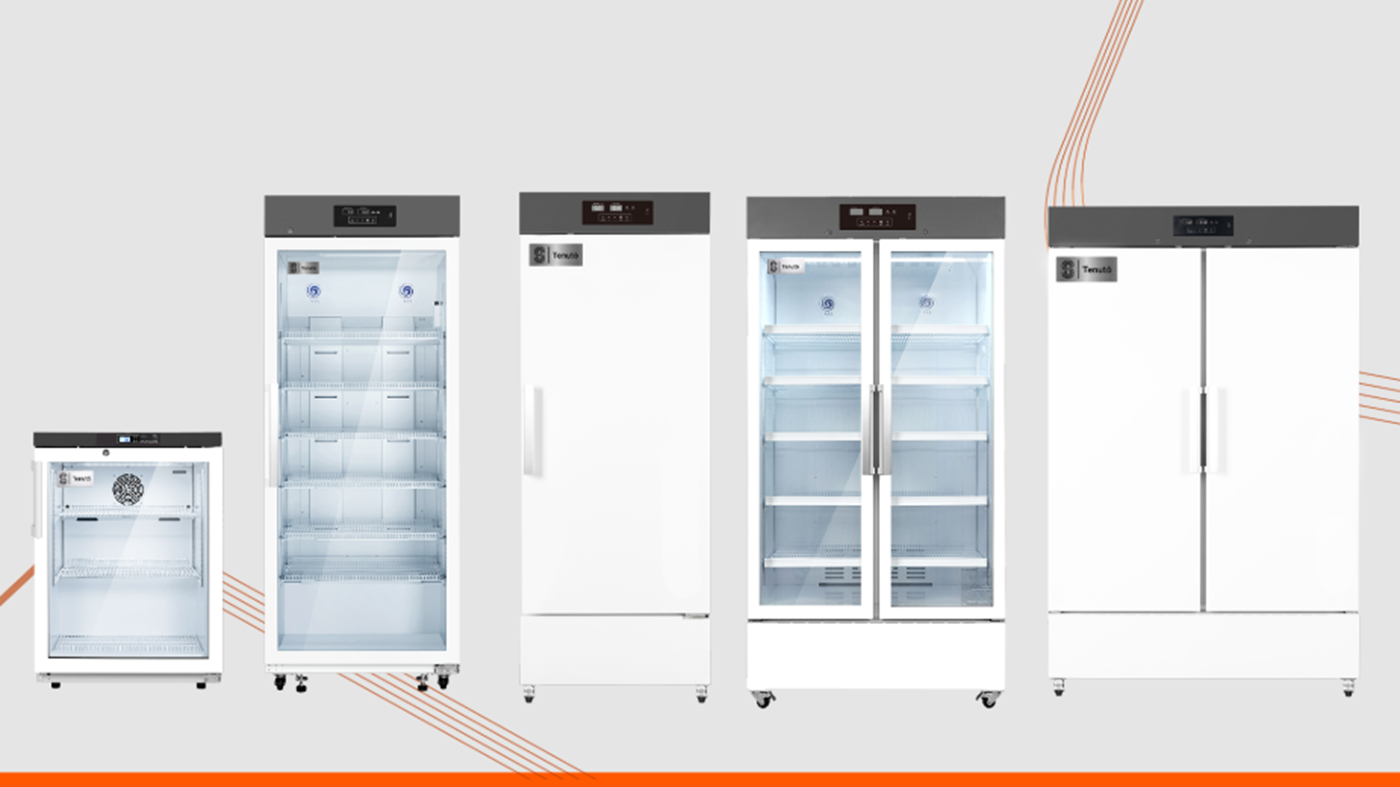
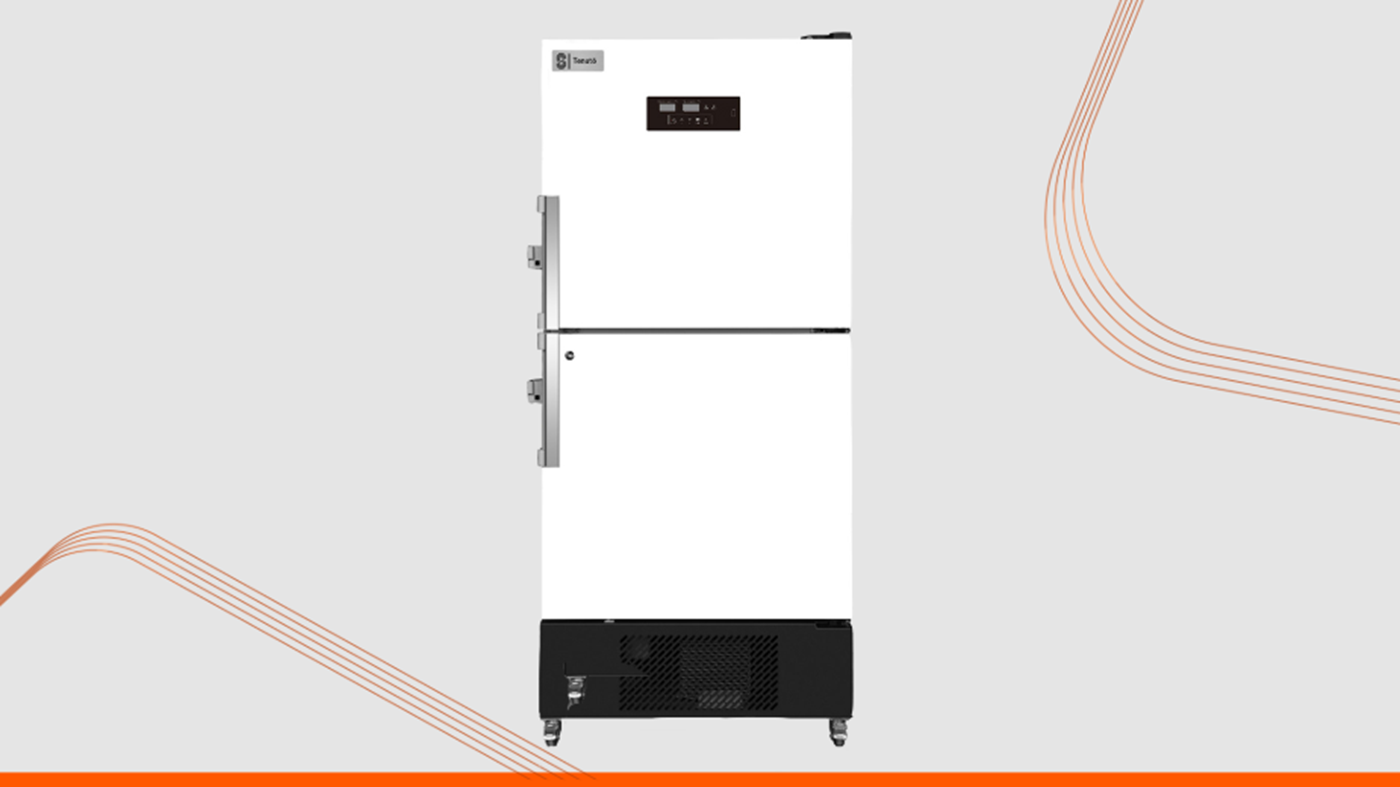
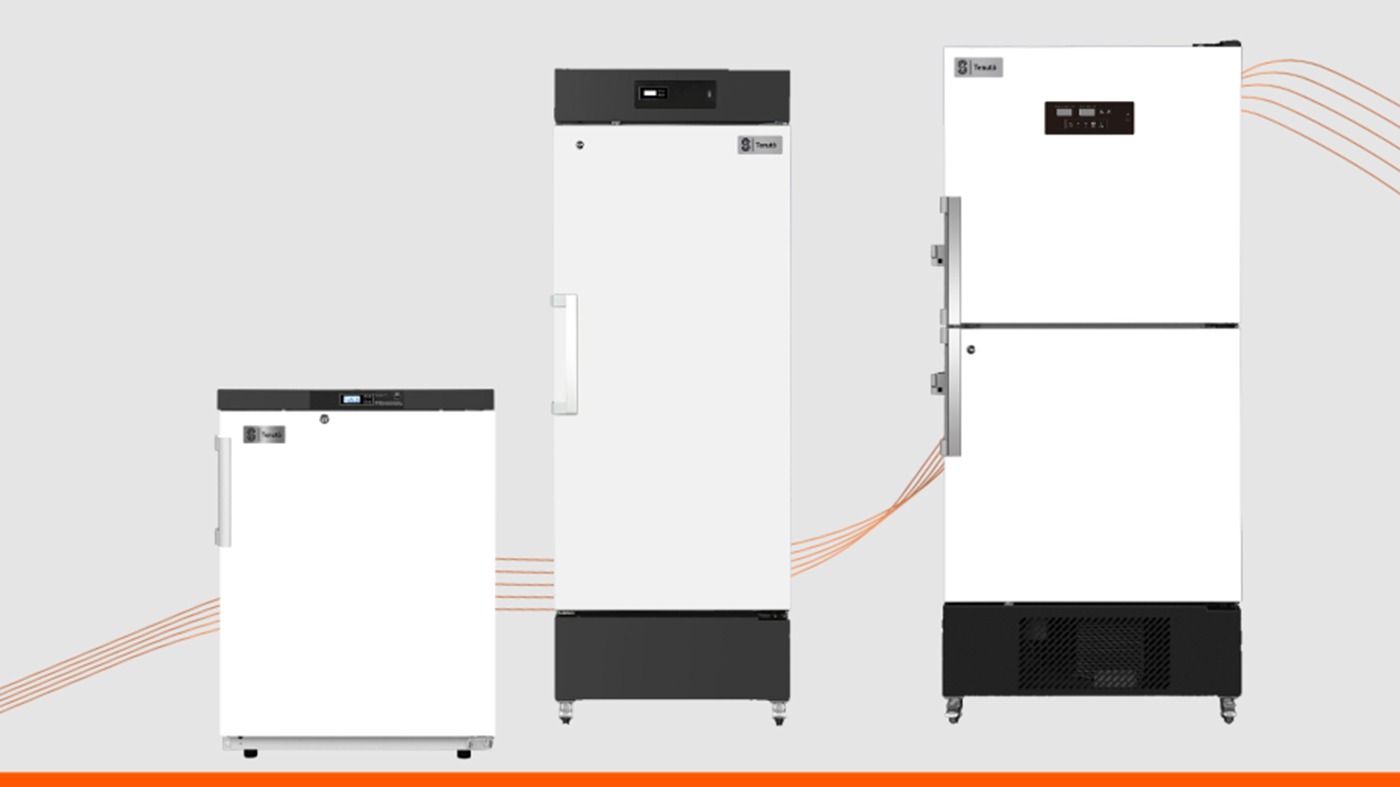
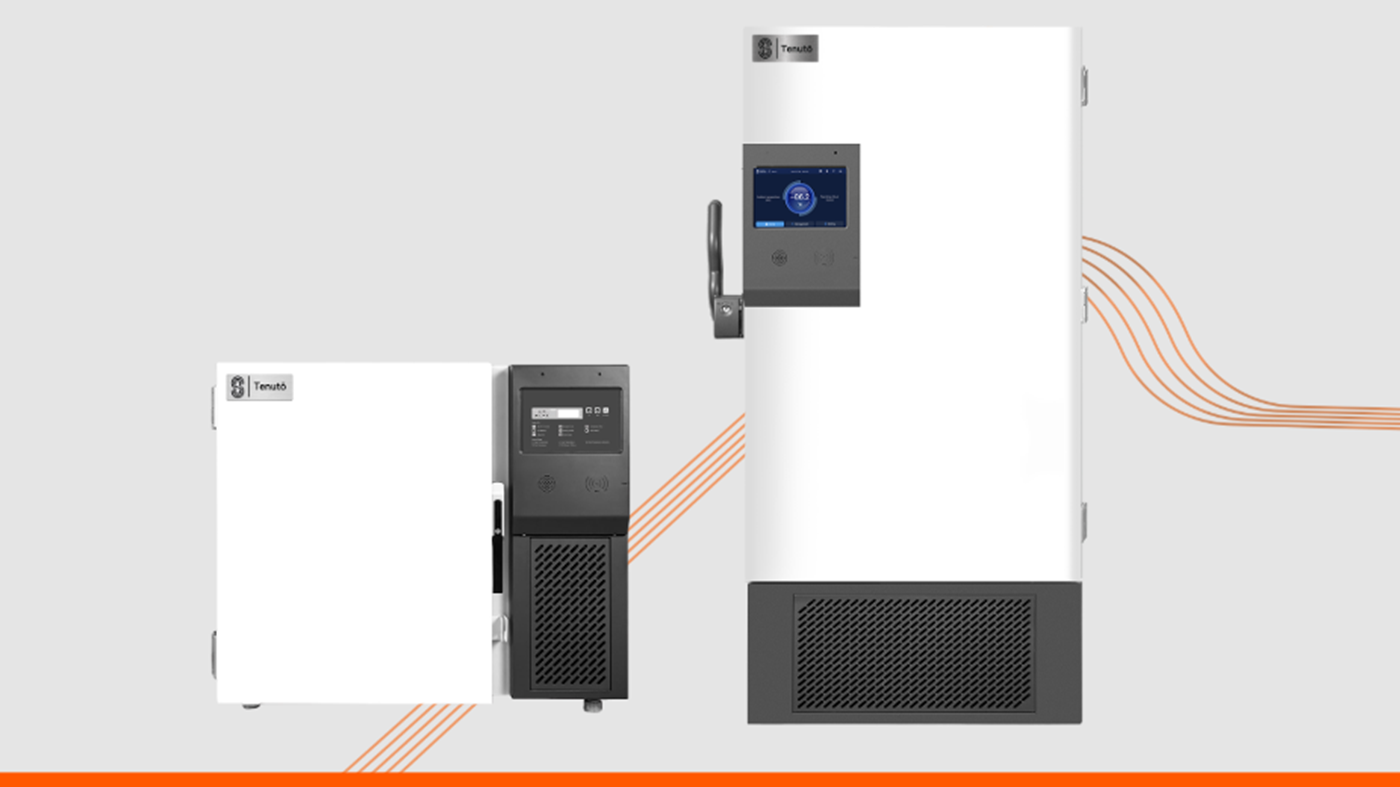
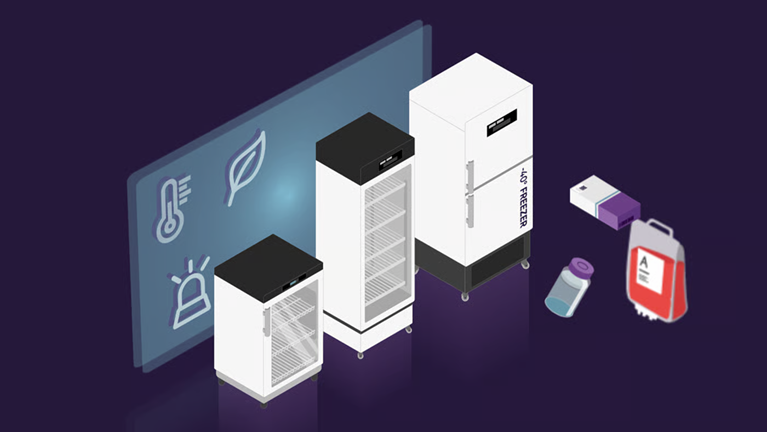
Tenutō ensures hospitals, blood banks, clinics, and laboratories have purpose-built, reliable solutions for cold chain compliance: Tenutō Cool for 2°C to 8°C pharmacy, vaccine, and laboratory refrigeration, Tenutō Freeze and Combo for frozen storage, and Tenutō Ultra for ultra-low −80°C applications, with Dual Guard twin-compressor redundancy on selected models for the irreplaceable material that cannot tolerate a single point of failure. Continuous monitoring and alarms are built in.

The reliability that matters in daily use comes after installation: a pre-installation site survey, on-site calibration, and a parts and service network in your region.